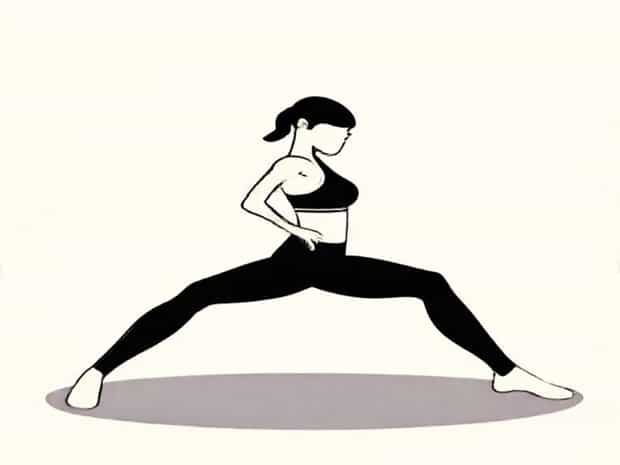
How To Loosen Hamstrings
Tight hamstrings are a common issue for many people, whether they sit for long hours at a desk, engage in sports, or simply neglect regular stretching. The hamstrings are a group of muscles located at the back of the thigh, playing an important role in walking, running, and overall mobility. When these muscles are stiff, they can lead to discomfort, reduced flexibility, and even an increased risk of injury. Learning how to loosen hamstrings effectively can make a big difference in daily movement and athletic performance. With the right stretches, mobility exercises, and lifestyle adjustments, it is possible to improve flexibility and reduce tightness over time.
Why Hamstrings Become Tight
Before learning how to loosen hamstrings, it is helpful to understand why they tighten in the first place. Several common causes include
- Prolonged sitting, which shortens the hamstrings and reduces mobility.
- Overuse from sports or physical activities like sprinting and cycling.
- Lack of stretching after workouts.
- Muscle imbalances, where the quadriceps overpower the hamstrings.
- Postural issues that strain the lower back and thighs.
Recognizing the cause can help in applying the right strategy to release tightness and prevent it from returning.
Benefits of Loosening Hamstrings
When you learn how to loosen hamstrings properly, the benefits extend beyond flexibility. Improved hamstring mobility can reduce lower back pain, enhance athletic performance, and prevent injuries. Looser hamstrings also make everyday movements such as bending, walking upstairs, and lifting objects more comfortable. For athletes, flexible hamstrings contribute to better running mechanics and more efficient power generation during sports activities.
Static Stretches for Hamstrings
One of the most common ways to loosen hamstrings is through static stretching. These stretches are held for a period of time to lengthen the muscle fibers gradually. Some effective static stretches include
Seated Forward Fold
Sit on the floor with legs extended straight. Reach forward toward your toes while keeping the back as straight as possible. Hold the stretch for 20 to 30 seconds. This simple movement helps lengthen the hamstrings and lower back simultaneously.
Standing Hamstring Stretch
Stand tall, place one heel on an elevated surface such as a bench, and gently lean forward from the hips. Keep the leg straight without locking the knee. This stretch isolates one hamstring at a time, making it more effective for targeted flexibility.
Supine Hamstring Stretch
Lie on your back and extend one leg upward, keeping the other flat on the floor. Use a towel or strap around the raised foot to gently pull it toward your chest. Holding this position allows a deep stretch without putting pressure on the lower back.
Dynamic Movements to Loosen Hamstrings
Static stretching works well after a workout, but dynamic stretches are better for warming up before exercise. These active movements increase blood flow and prepare the hamstrings for activity. Examples include
- Leg swingsSwing one leg forward and backward in a controlled motion to mobilize the hip and lengthen the hamstring.
- High kneesMarching or jogging in place with exaggerated knee lifts loosens the muscles and improves circulation.
- Walking lungesTaking long strides while lowering into a lunge position stretches both hamstrings and hip flexors.
Adding dynamic exercises before running, cycling, or strength training ensures the hamstrings are ready to handle stress without tightening up.
Foam Rolling for Hamstring Release
Foam rolling, also known as self-myofascial release, is a powerful technique for loosening tight hamstrings. By applying pressure with a foam roller, knots and adhesions in the muscle tissue can be reduced. To perform this, sit with the foam roller under the back of your thighs and slowly roll from the glutes to just above the knees. Pause at tender spots to allow deeper release. Regular foam rolling improves circulation and flexibility, complementing stretching routines.
Yoga Poses to Stretch Hamstrings
Yoga offers a variety of poses that are excellent for hamstring flexibility. Incorporating yoga into your routine not only stretches the muscles but also improves balance and posture. Effective yoga poses for hamstrings include
- Downward Facing DogA full-body stretch that lengthens the hamstrings and calves.
- Pyramid PoseInvolves hinging at the hips over a straight leg for a deep hamstring stretch.
- Standing Forward BendAllows gravity to gently lengthen the hamstrings while relaxing the spine.
Practicing these poses regularly can significantly improve hamstring mobility over time.
Strengthening to Support Flexibility
While stretching is crucial, strengthening the hamstrings also helps maintain long-term flexibility. Weak hamstrings often tighten as a protective mechanism. Strengthening exercises such as Romanian deadlifts, glute bridges, and hamstring curls balance the muscles and prevent excessive stiffness. Building strength ensures that the hamstrings can handle daily demands without locking up.
Lifestyle Adjustments for Looser Hamstrings
Beyond exercises, lifestyle choices affect how tight your hamstrings feel. Consider these adjustments
- Take breaks from sitting by standing and moving every hour.
- Incorporate regular stretching into your daily routine.
- Stay hydrated, as dehydration can contribute to muscle tightness.
- Wear supportive footwear to maintain proper posture and reduce strain.
These small but consistent habits support long-term flexibility and comfort.
Common Mistakes When Stretching Hamstrings
Many people attempt to loosen hamstrings but make errors that limit progress or cause strain. Common mistakes include
- Bouncing during stretches instead of holding steadily.
- Rounding the back excessively, which shifts the stretch away from the hamstrings.
- Overstretching to the point of pain rather than mild discomfort.
- Neglecting the surrounding muscles such as hip flexors and calves.
Avoiding these mistakes ensures safer and more effective hamstring flexibility training.
How Long It Takes to Loosen Hamstrings
The time required to loosen hamstrings depends on consistency and starting flexibility levels. Some people notice improvements within a few weeks, while others may need several months of regular stretching and strengthening. The key is consistency performing hamstring stretches at least three to four times a week yields the best results. Patience and persistence are essential, as sudden flexibility gains are rare.
When to Seek Professional Help
If hamstring tightness persists despite regular stretching and strengthening, it may be wise to consult a physical therapist. Sometimes, tight hamstrings are a symptom of underlying issues such as pelvic misalignment, nerve tension, or chronic injury. A professional can design a personalized plan to address the root cause and restore proper mobility.
Learning how to loosen hamstrings is about more than just flexibility it is about improving overall movement, preventing injuries, and feeling comfortable in daily life. Through static stretches, dynamic movements, foam rolling, yoga, and strength training, anyone can gradually reduce stiffness and improve hamstring mobility. Combined with lifestyle changes and consistent practice, these methods provide lasting results. Looser hamstrings mean better posture, smoother movement, and enhanced performance in both everyday tasks and athletic pursuits.