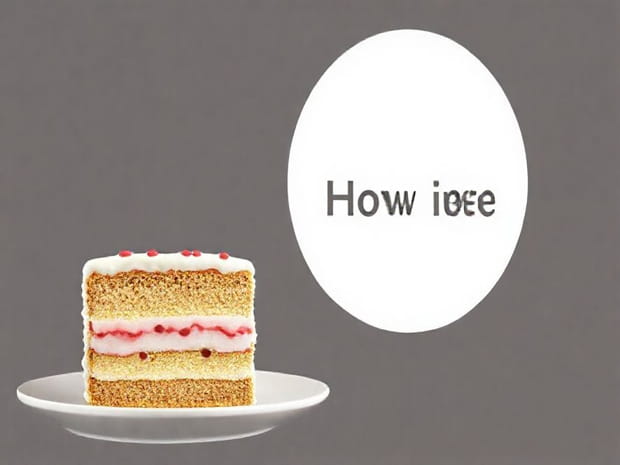
How To Layer A Cake
Layering a cake is a skill that can transform a simple baked good into a visually stunning centerpiece for celebrations, from birthdays to weddings. While many people focus on baking the cake itself, proper layering techniques are essential to achieve a professional look and balanced flavor. Layering involves not only stacking the cakes but also applying the right amount of filling, ensuring even layers, and securing the cake to prevent slipping or leaning. With the right tools, patience, and attention to detail, anyone can create a layered cake that is both beautiful and delicious. Understanding the step-by-step process of how to layer a cake is crucial for both novice and experienced bakers.
Preparation and Tools
Before beginning to layer a cake, preparation is key. Having the right tools and ingredients readily available makes the process smoother and more precise. Essential tools include a serrated knife or cake leveler, a turntable for easy rotation, offset spatulas for spreading frosting or filling, and cake boards for support. Additionally, cooling racks are important for letting the cakes cool completely before layering. Choosing complementary fillings such as buttercream, ganache, fruit preserves, or cream cheese frosting ensures that the cake layers taste balanced and cohesive.
Leveling the Cake Layers
One of the most important steps in layering a cake is ensuring that each cake layer is level. Uneven layers can cause the cake to lean or collapse. To level a cake, use a serrated knife or a cake leveler to trim the domed tops off each layer, creating a flat surface. Work slowly and carefully, rotating the cake as you trim to maintain an even thickness. Some bakers prefer to bake their cakes in pans with removable sides or use baking strips around the pans to minimize doming, which reduces the need for excessive trimming.
Choosing and Preparing Fillings
The filling between cake layers not only adds flavor but also contributes to the stability of the cake. Popular choices include buttercream, chocolate ganache, whipped cream, or fruit preserves. It is important that the filling has the right consistency too soft and the layers may slide, too stiff and it will be difficult to spread evenly. For best results, chill fillings like whipped cream or ganache slightly before spreading to help them hold their shape. Additionally, piping a small border of frosting around the edge of each layer can prevent fillings from spilling out when stacking the layers.
Stacking the Layers
Once the cakes are leveled and the fillings are ready, stacking the layers requires careful attention. Begin with a sturdy base, ideally on a cake board or serving platter. Place the first cake layer on the base, and evenly spread the filling using an offset spatula. Rotate the cake as you spread to ensure a smooth, uniform layer. Place the next cake layer directly on top, gently pressing down to ensure it adheres without squishing the filling out. Repeat this process for all subsequent layers, ensuring alignment to prevent leaning or uneven edges.
Crumb Coating
After stacking the layers, it is often recommended to apply a crumb coat before final frosting. A crumb coat is a thin layer of frosting that traps any loose crumbs and creates a smooth surface for the final layer of frosting. Using an offset spatula, apply a thin coat over the top and sides of the cake, then chill it in the refrigerator for 15 to 30 minutes to set. This step is especially important for cakes with chocolate or dark crumbs, which can be difficult to cover with a thick final layer without showing through.
Final Frosting and Decoration
Once the crumb coat is set, apply the final layer of frosting. Use smooth, even strokes with an offset spatula or a bench scraper to achieve clean sides and a polished look. For additional decoration, consider piping borders, adding sprinkles, fresh fruit, or edible flowers. The final frosting not only enhances appearance but also adds additional flavor and texture. Attention to detail during this step ensures a professional and visually appealing presentation.
Chilling and Serving
After layering and decorating, it is important to chill the cake to help the layers set. Refrigeration for at least 30 minutes to an hour allows the filling and frosting to firm up, making slicing and serving easier. Use a sharp serrated knife for clean cuts, and wipe the knife with a warm, damp cloth between slices to prevent dragging crumbs or frosting. Serving at the right temperature, depending on the type of cake and filling, enhances both taste and texture.
Tips for Success
- Always cool cakes completely before layering to prevent melting the filling or frosting.
- Use a turntable for easier and more precise frosting and leveling.
- Piping a frosting border around layers prevents filling from spilling.
- Chill the cake between steps to ensure stability, especially with soft fillings.
- Practice patience and work slowly for even layers and professional results.
Common Mistakes to Avoid
Even experienced bakers can make mistakes when layering a cake. Some common issues include uneven layers, overfilling, and unstable stacking. To avoid these, always level cakes, measure and spread fillings carefully, and ensure that the base is sturdy. Using dowels or cake supports can help for taller, multi-layered cakes. Avoid working in overly warm environments, as heat can cause frosting and fillings to soften, leading to sliding layers.
Learning how to layer a cake properly is essential for creating visually appealing and structurally sound cakes. From leveling the cake layers to choosing and applying the right filling, each step requires attention to detail and patience. By following these guidelines, using appropriate tools, and practicing techniques like crumb coating and careful stacking, both novice and experienced bakers can achieve professional results. Layered cakes not only delight the eyes but also enhance the flavor experience, making them perfect for any celebration or special occasion.