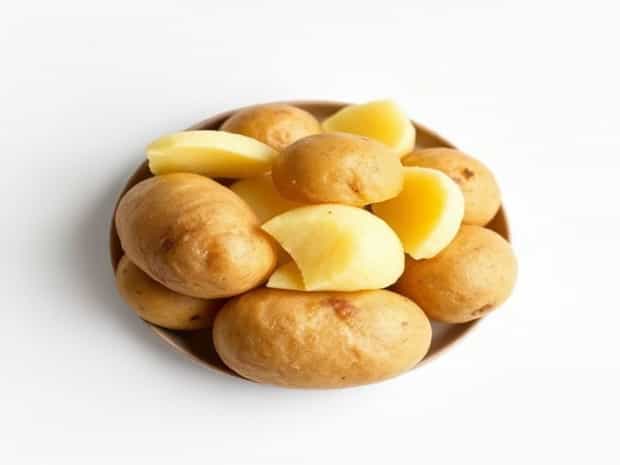
How To Keep Peeled Potatoes From Turning Brown
Peeled potatoes are a staple in many kitchens, used in dishes ranging from mashed potatoes to soups, fries, and gratins. However, one common problem that home cooks face is that peeled potatoes tend to turn brown or gray when exposed to air. This discoloration happens because of a natural chemical reaction known as oxidation, where enzymes in the potato react with oxygen. While browned potatoes are still safe to eat, the appearance can be unappetizing and may affect the texture and flavor. Learning how to keep peeled potatoes from turning brown is essential for preparing dishes ahead of time or maintaining an appealing presentation.
Understanding Why Potatoes Turn Brown
When a potato is peeled or cut, its cells are damaged, releasing polyphenol oxidase, an enzyme that reacts with oxygen. This reaction produces melanins, the brown pigments that appear on the surface of the potato. Factors such as temperature, exposure to air, and the type of potato can influence the speed and intensity of browning. For example, waxy potatoes may brown slower than starchy varieties like Russets. Knowing the science behind oxidation helps in selecting effective methods to prevent browning.
Immediate Prevention Methods
One of the simplest ways to prevent peeled potatoes from turning brown is to minimize their exposure to oxygen immediately after peeling or cutting. Some effective immediate methods include
- Placing the peeled potatoes directly in a bowl of cold water to create a barrier between the potato surface and air.
- Using a damp cloth or plastic wrap to cover the potatoes if you need to store them for a short period.
- Cutting potatoes just before cooking to reduce the time they are exposed to air.
Using Water to Prevent Browning
Submerging peeled potatoes in water is one of the most common and effective methods. Water prevents oxygen from reaching the potato surface, slowing the oxidation process. Cold water works best because it also slows the activity of enzymes responsible for browning. For optimal results
- Fill a bowl with cold water and fully immerse the peeled potatoes.
- Change the water every few hours if storing for more than a few hours.
- For longer storage, keep the water and potatoes in the refrigerator.
Additives to Water
Adding certain ingredients to the water can further slow browning. Common additives include
- Lemon juiceThe citric acid lowers the pH, reducing enzyme activity that causes browning.
- VinegarA mild acid like vinegar also slows oxidation while preserving potato texture.
- SaltA small amount of salt in water can inhibit enzymatic activity and maintain potato color.
Mixing one tablespoon of lemon juice or vinegar per cup of water is usually sufficient. Make sure the potatoes are fully submerged to get even protection.
Refrigeration Techniques
Temperature plays a crucial role in slowing enzymatic browning. Keeping peeled potatoes in the refrigerator significantly delays the browning process. For best results
- Place peeled potatoes in a bowl of cold water and cover with plastic wrap.
- Store in the coldest part of the refrigerator, typically near the back.
- Use within 24 hours for optimal freshness and color.
Refrigeration not only slows browning but also helps maintain the firmness and texture of the potatoes, making them ideal for cooking later.
Blanching as a Prevention Method
Blanching peeled potatoes is another effective technique to prevent browning. This involves briefly boiling or steaming the potatoes and then immediately cooling them in ice water. The heat deactivates the polyphenol oxidase enzyme, reducing the likelihood of discoloration. Steps for blanching include
- Cut or peel the potatoes as desired.
- Bring a pot of water to a boil and add the potatoes for 2-3 minutes.
- Remove the potatoes and plunge them into ice water to stop the cooking process.
- Drain and store in the refrigerator until ready to use.
Using Plastic Wrap and Airtight Containers
Minimizing air exposure is key to preventing browning. For short-term storage or when preparing potatoes for immediate use, wrapping them tightly in plastic wrap or storing them in airtight containers can help. Ensure that
- The potatoes are slightly damp to maintain moisture but not waterlogged.
- The container is sealed well to limit contact with air.
- Refrigeration is used to slow enzymatic activity.
Combining Methods for Maximum Effect
Sometimes, combining different techniques yields the best results, especially if peeled potatoes need to be stored for several hours. For instance, placing peeled potatoes in a bowl of water with a few drops of lemon juice, covering the bowl with plastic wrap, and refrigerating can keep potatoes fresh for up to 24 hours. Blanching followed by refrigeration is ideal for longer storage, ensuring the potatoes retain both color and texture.
Practical Tips for Home Cooks
- Peel and cut potatoes just before cooking whenever possible to minimize browning.
- Use acidic solutions like lemon juice or vinegar if preparing potatoes in advance.
- Keep peeled potatoes submerged in cold water in the refrigerator for short-term storage.
- Consider blanching for longer storage or when preparing large batches for recipes.
- Avoid leaving peeled potatoes exposed to air at room temperature, as this accelerates browning.
- Choose potato varieties less prone to browning, such as Yukon Gold, when color retention is important.
Keeping peeled potatoes from turning brown is a simple yet essential skill for any home cook or professional chef. Browning occurs due to enzymatic oxidation, which is triggered when the potato is peeled or cut. Techniques such as immersing in cold water, adding lemon juice or vinegar, refrigerating, blanching, and minimizing air exposure can effectively prevent discoloration. By understanding the causes of browning and implementing these strategies, you can maintain the freshness, appearance, and quality of peeled potatoes, ensuring that your dishes look as appetizing as they taste. Proper preparation and storage make it easy to enjoy perfectly fresh potatoes in any recipe, whether for everyday meals or special occasions.