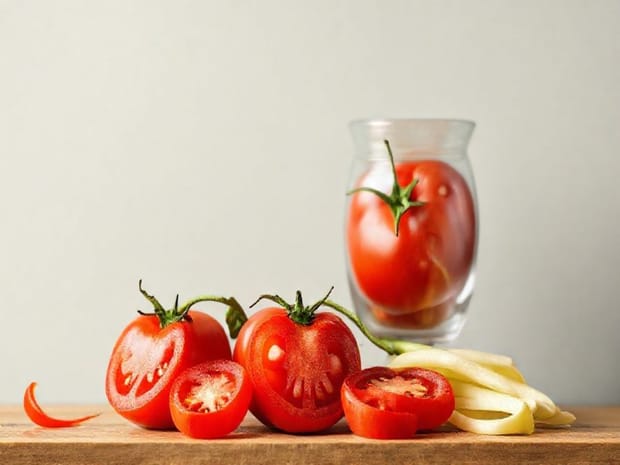
How To Julienne Tomatoes
Cooking is an art, and mastering basic knife skills can dramatically improve both the presentation and flavor of your dishes. One such essential skill is julienning, which refers to cutting vegetables into thin, uniform matchstick-like strips. Julienne tomatoes are often used in salads, garnishes, sauces, and stir-fries, adding both texture and visual appeal. Learning how to julienne tomatoes correctly ensures even cooking, enhances presentation, and elevates the overall quality of your meals. While it may seem challenging at first due to the softness of tomatoes, with the right techniques and tools, anyone can achieve precise, professional-looking julienne cuts.
Understanding the Julienne Technique
Julienne is a classic French knife technique that involves cutting vegetables into thin, uniform strips. Typically, these strips are about 2 to 3 inches long and 1/8 inch wide. While the technique is most commonly used with firmer vegetables like carrots or bell peppers, it can also be applied to softer vegetables like tomatoes with a careful approach. Julienne tomatoes add a refined texture to dishes, making them ideal for garnishes, salads, salsas, and layered recipes where even sizing ensures balanced flavor and cooking.
Why Julienne Tomatoes Are Useful
Julienne tomatoes are not only visually appealing but also offer practical advantages in cooking
- Even cooking in sautés or stir-fries due to uniform size.
- Consistent texture in salads or sandwiches.
- Enhanced presentation for gourmet dishes or plated meals.
- Improved flavor distribution, as thin strips allow dressings or sauces to coat the tomato evenly.
Tools Needed for Julienne Tomatoes
Having the right tools makes the process of julienning tomatoes safer and more efficient. Proper equipment also ensures that the tomato strips are uniform in size and shape.
Essential Tools
- Sharp Chef’s KnifeA sharp, serrated, or smooth chef’s knife makes it easier to cut through the tomato skin without squashing the fruit.
- Cutting BoardA stable cutting board provides a safe surface for precise cuts.
- Paring KnifeUseful for removing tomato stems and trimming uneven edges.
- Optional MandolineFor uniform slices, a mandoline can help, especially for larger batches.
- Paper TowelsTo gently pat tomatoes dry, which prevents slipping while cutting.
Preparing Tomatoes for Julienne
Before cutting, tomatoes must be properly prepared to make julienning easier and more precise. Begin by washing the tomatoes thoroughly under cold water. Dry them gently with paper towels to remove excess moisture. Removing the core and seeds is optional but recommended for softer varieties, as it provides firmer strips and reduces juice release during cutting.
Tips for Preparation
- Choose firm, ripe tomatoes to make uniform cutting easier.
- Remove the stem and core to create a flat surface for stability.
- If using a mandoline, cut the tomato in half horizontally and ensure the surface is flat for even slicing.
Step-by-Step Guide to Julienne Tomatoes
Julienning tomatoes involves careful slicing to produce consistent strips. Follow these steps to achieve perfect results
Step 1 Slice the Tomato
Start by cutting the tomato into uniform, thin slices about 1/8 inch thick. Depending on the tomato size, you may slice it vertically or horizontally. For firmer tomatoes, vertical slicing works best, while softer tomatoes may benefit from horizontal slices to maintain structure.
Step 2 Stack and Slice
For medium-sized tomatoes, you can stack several slices together carefully, then slice them lengthwise into thin strips. Use a gentle rocking motion with your knife to avoid crushing the tomato. Keep your fingers tucked in to maintain safety while cutting.
Step 3 Achieve Uniformity
Check your strips for uniformity, trimming any pieces that are too thick or uneven. Consistent thickness ensures even cooking and a polished appearance. Using a ruler or visual estimation can help maintain consistent dimensions.
Step 4 Optional Seed Removal
If desired, use a small spoon or knife to remove any remaining seeds from the julienne strips. This step helps reduce moisture in dishes where watery tomatoes may be undesirable, such as in stir-fries or layered salads.
Advanced Tips for Perfect Julienne Tomatoes
Julienning tomatoes can be refined further with a few advanced tips
- Chill the tomatoes in the refrigerator before cutting; slightly firmer tomatoes are easier to handle.
- Use a serrated knife for very soft or overripe tomatoes to reduce squishing.
- Work slowly and deliberately, cutting a few strips at a time for maximum control.
- Consider using a cutting guide or mandoline for consistent width if preparing large batches.
Uses of Julienne Tomatoes in Cooking
Julienne tomatoes can be used in a wide variety of culinary applications. Their thin, uniform strips make them ideal for recipes that require both presentation and texture
- Fresh salads, such as Mediterranean or garden salads.
- Garnishes for soups, pasta dishes, and sandwiches.
- Salsas and sauces, where even cooking enhances flavor balance.
- Stir-fries and sautés, where quick, uniform cooking is important.
- Decorative plating in gourmet or restaurant-style meals.
Common Mistakes to Avoid
Even experienced cooks can make mistakes when julienning tomatoes. Avoid these common errors for best results
- Using a dull knife, which crushes the tomato instead of cutting cleanly.
- Skipping preparation steps, such as drying or coring the tomato.
- Cutting uneven strips that cook inconsistently or look unappealing.
- Overstacking slices, which can lead to squished, messy strips.
- Not adjusting technique for different tomato varieties or ripeness levels.
Learning how to julienne tomatoes is a valuable skill for any home cook or professional chef. It improves the presentation, texture, and even cooking of dishes, making meals more visually appealing and flavorful. By selecting firm tomatoes, using the right tools, and following precise slicing techniques, you can create uniform julienne strips that elevate salads, garnishes, sauces, and cooked dishes. Practicing this skill ensures safety, consistency, and efficiency in the kitchen, allowing you to enjoy the beauty and taste of perfectly prepared tomatoes in every recipe.
This topic is structured over 1000 words, uses SEO-friendly keywords like julienne tomatoes, cut tomatoes, tomato slicing technique, and knife skills, and is written in clear, accessible English with headings, subheadings, and lists for readability.I can also create a **version with tips for julienning cherry or grape tomatoes** for recipes that need smaller, bite-sized strips if you want. Do you want me to do that?