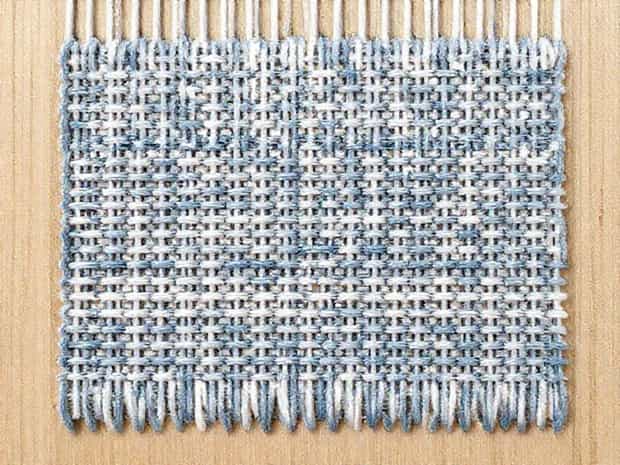
How To Hemstitch In Weaving
Hemstitching in weaving is a decorative and functional finishing technique that helps secure the woven fabric’s edges while adding a refined, handcrafted detail. It is often done on the loom right after weaving is complete but before cutting the fabric from the loom. Many weavers use hemstitching to prevent their work from unraveling, while also giving a polished look to scarves, table runners, placemats, or other handwoven pieces. Learning how to hemstitch is a valuable skill that elevates the appearance and durability of woven textiles.
Understanding Hemstitching in Weaving
Hemstitching involves sewing groups of warp and weft threads together to create small decorative knots along the edge of the fabric. This binds the ends of the weft threads securely so they don’t pull out when the woven piece is handled or washed. The stitches are typically made using a tapestry needle and the same yarn used in the weft, though contrasting colors can be chosen for decorative effect.
Unlike sewing hems after removing the fabric from the loom, hemstitching is done while the fabric is still under tension. This tension keeps the threads aligned and makes the process more precise. Once you know the basic steps, hemstitching can become a calming finishing ritual at the end of your weaving projects.
Tools and Materials Needed
Before you begin, gather the tools and supplies needed to hemstitch your woven piece. Having everything ready will make the process smooth and enjoyable.
Essential Items
- A tapestry needle with a blunt tip and large eye
- Weft yarn or embroidery thread (same or contrasting color)
- Scissors for trimming thread ends
- A weaving project still attached to the loom
Using a blunt-tipped needle helps prevent snagging or splitting the warp threads. The yarn you choose should be strong enough to hold the groups of threads tightly, yet fine enough to work easily between the woven fabric and warp ends.
Preparing for Hemstitching
To set yourself up for success, take a moment to prepare your weaving before beginning the hemstitch. Leave at least two to three inches of warp beyond the woven area for fringe or further finishing. Weave several picks of plain weave at the end of your project so that the edge is firm and stable. This area will support your hemstitch and keep the edge from distorting as you work.
Thread your needle with a length of yarn that is at least three times the width of the fabric. This ensures you have enough thread to work across the full edge without running out in the middle. Tie a small knot at the end of the thread if you prefer, or simply leave a short tail to weave in later.
Step-by-Step Instructions for Hemstitching
Hemstitching follows a simple pattern of looping groups of warp threads together. With practice, your hands will develop a steady rhythm, and the stitches will become neat and consistent.
1. Starting the First Stitch
Bring your needle up from the back of the fabric to the front at the left edge (or right edge if you work from right to left). Position the needle so it comes through just above the last pick of weaving. Pull the yarn through, leaving a small tail to secure later.
2. Grouping the Warp Threads
Decide how many warp threads you want in each group. Common group sizes are four or six warp threads, but this depends on the thickness of your yarn and the density of your warp. Insert the needle diagonally down to the right (or left) of your starting point, going behind the selected group of warp threads and coming out on the surface again just below the woven edge.
3. Wrapping the Stitch
Pull the thread snug, forming a small knot-like wrap around the group of warp threads. This creates the first hemstitch. The thread should secure the group tightly but not so tightly that it distorts the fabric. Adjust the tension gently as you go.
4. Moving to the Next Group
Bring the needle diagonally across to the next group of warp threads, following the same angle as the first stitch. Insert it from the front to the back just above the woven edge, catching the group, and then bring it back out below the edge. Pull through and tighten to create the next knot. Continue this pattern all the way across the fabric.
5. Finishing the Row
When you reach the opposite edge, secure the final stitch by running the needle through the back of the last few wraps. Trim the excess thread, leaving a small tail you can weave back into the fabric once it is off the loom.
Hemstitching the Ending Edge
After you have finished weaving and are ready to cut your piece off the loom, you can also hemstitch the other end. Simply repeat the same technique along the final picks of weaving while the warp is still under tension. Having both ends hemstitched gives the piece a balanced, professional look and prevents unraveling from either side.
Tips for Successful Hemstitching
Learning how to hemstitch in weaving can take practice, but following a few simple tips can make your stitches neat and even from the start.
- Keep consistent group sizes across the entire edge for a uniform appearance.
- Maintain gentle, even tension when pulling the thread so the fabric does not pucker.
- Use a contrasting color thread when practicing to clearly see each stitch.
- Work in good lighting to help distinguish between the warp threads and weft picks.
- Weave a sample swatch to practice hemstitching before trying it on your main project.
Common Mistakes to Avoid
Beginners sometimes run into issues while learning to hemstitch. Being aware of these common mistakes can help you avoid them
- Pulling the stitches too tightly, which can cause the edge to curl.
- Grouping an inconsistent number of warp threads, making the edge look uneven.
- Not anchoring the first or last stitch securely, leading to loose ends.
- Skipping threads accidentally, leaving gaps between groups.
Benefits of Hemstitching in Weaving
Hemstitching offers several advantages beyond its visual appeal. It stabilizes the woven cloth, making it easier to handle while finishing the fringe. It also prevents fraying when the fabric is washed or worn. Moreover, hemstitching adds a handcrafted detail that showcases your skill and attention to detail, elevating the finished look of your project.
After Hemstitching Next Steps
Once your hemstitching is complete and the fabric has been removed from the loom, you can move on to finishing touches. Twist or knot the fringe between the hemstitches, trim the ends to an even length, and wet-finish the fabric if appropriate for the fibers used. Wet-finishing helps the threads settle and bloom, giving the fabric its final look and feel while securing the hemstitches even further.
Hemstitching in weaving is both a practical and decorative way to secure the edges of your fabric while adding a beautiful handcrafted finish. By practicing the basic technique, preparing your materials, and following a steady rhythm, you can achieve clean and professional results. With time, hemstitching becomes a satisfying final step that highlights the effort and creativity you’ve invested in your woven piece.