How To Harvest Mullein
Mullein is a versatile herb that has been used for centuries for its medicinal properties and practical applications. Known for its tall stalks, soft leaves, and vibrant yellow flowers, mullein is a hardy plant that thrives in a variety of environments, from fields and roadsides to gardens and wildlands. Harvesting mullein correctly is essential to ensure the plant retains its potency and effectiveness, whether it is being used for teas, tinctures, or topical applications. Understanding the proper methods, timing, and techniques for harvesting mullein allows herbalists, gardeners, and enthusiasts to maximize the benefits of this remarkable plant while promoting sustainable growth.
Identifying Mullein
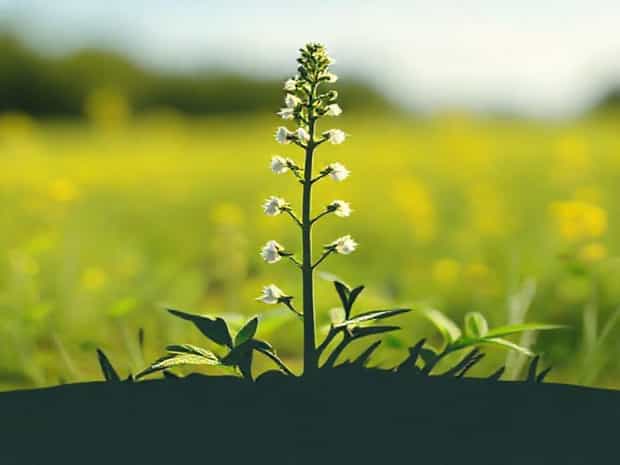
Before harvesting mullein, it is crucial to accurately identify the plant. Common mullein (Verbascum thapsus) is characterized by its tall, upright stalks that can reach up to six feet in height. The plant produces soft, velvety leaves arranged in a rosette pattern during its first year of growth. In the second year, it develops a flowering stalk adorned with bright yellow blooms. Correct identification ensures that you are harvesting the intended plant and not a similar-looking species, which may not have the same medicinal properties.
First-Year vs. Second-Year Mullein
Mullein is a biennial plant, meaning it completes its life cycle over two years. In the first year, the plant focuses on growing a rosette of leaves close to the ground. These leaves are often harvested for their soothing properties. In the second year, the plant produces a tall flowering stalk and seed heads. Harvesting at the appropriate stage depends on the intended use of the plant. For leaf-based remedies, first-year leaves are ideal, whereas flowers and seeds are best collected in the second year.
Best Time to Harvest
Timing is critical when harvesting mullein to preserve its beneficial compounds. Leaves are typically harvested in late spring to early summer when they are tender and full of nutrients. Flowers are best gathered when they are fully open but before they start to wilt, usually in mid to late summer. Seeds should be collected in the fall when the seed heads turn brown and dry. Harvesting at the right time ensures optimal potency and flavor for medicinal or culinary applications.
Morning Harvesting
Harvesting mullein in the morning, after the dew has dried but before the heat of the day, is recommended. During this time, the plant’s essential oils are at their peak, enhancing the effectiveness of the leaves and flowers. Avoid harvesting during extreme heat or immediately after rainfall, as moisture can lead to mold and reduce the quality of the harvested plant.
Harvesting Techniques
Proper technique is essential to preserve the plant and encourage sustainable growth. When harvesting leaves, use clean scissors or garden shears to cut the leaves from the base, leaving the central rosette intact. This allows the plant to continue growing and produce additional leaves if necessary. For flowers, gently pinch or cut the flowering stalk near the base, taking care not to damage surrounding blooms. When collecting seeds, cut the seed heads and place them in a breathable container to allow for further drying.
Handling the Plant
After harvesting, handle mullein with care. The leaves are delicate and can bruise easily, which may reduce their medicinal quality. Lay the harvested leaves and flowers on a clean, dry surface in a single layer to prevent crushing. Avoid stacking or compressing the plant material, as this can lead to spoilage or mold growth. Proper handling ensures that the plant retains its potency and remains effective for later use.
Drying Mullein
Drying is a crucial step in preserving mullein for long-term storage. Spread the leaves, flowers, or seed heads in a well-ventilated, shaded area, avoiding direct sunlight, which can degrade the plant’s compounds. Drying times vary depending on the plant part and environmental conditions, but leaves and flowers typically take one to two weeks. Once thoroughly dried, store the plant material in airtight containers away from light and moisture to maintain its quality.
Air Drying vs. Dehydration
Air drying is the traditional method for preserving mullein, allowing the plant to retain its natural oils and medicinal properties. Alternatively, a food dehydrator can speed up the process and provide a controlled environment, reducing the risk of mold. Regardless of the method, ensure that the plant is completely dry before storage, as residual moisture can cause spoilage.
Using Harvested Mullein
Harvested mullein can be used in a variety of ways. Leaves can be brewed into teas to soothe respiratory issues or used in poultices for skin irritations. Flowers are often infused in oil for topical applications or used to create tinctures. Seeds can be collected for propagation or used in herbal remedies. Proper harvesting and storage ensure that mullein remains a versatile and effective herb for medicinal and practical applications.
Safety Considerations
While mullein is generally safe for most people, it is important to use it responsibly. Avoid harvesting plants from areas exposed to pesticides, pollution, or heavy traffic. Always wash leaves and flowers before use to remove any dirt or insects. Pregnant or breastfeeding individuals should consult a healthcare professional before using mullein for medicinal purposes. By following these precautions, you can safely enjoy the benefits of harvested mullein.
Harvesting mullein is a rewarding process that allows you to utilize one of nature’s versatile herbs for a variety of applications. By understanding the plant’s life cycle, identifying the best time to harvest, and employing proper techniques, you can ensure the highest quality leaves, flowers, and seeds. Proper drying, storage, and usage further enhance the effectiveness of mullein for teas, tinctures, poultices, and other remedies. Whether you are an experienced herbalist or a beginner, harvesting mullein provides a valuable opportunity to connect with nature, preserve traditional knowledge, and enjoy the benefits of this remarkable plant.