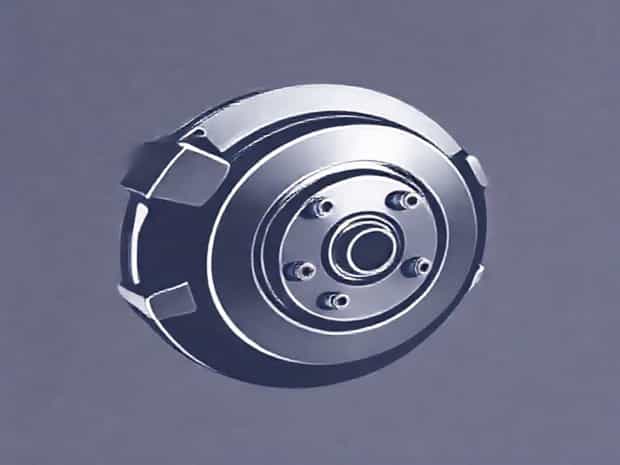
How To Grease Brake Caliper
Brake maintenance is one of the most important aspects of vehicle safety, and many drivers often overlook the role of proper lubrication. Knowing how to grease brake caliper components ensures smoother operation, reduces wear, and extends the life of braking parts. A poorly maintained caliper can cause uneven pad wear, squeaking noises, and even reduced braking performance. Understanding the correct process and products for lubricating brake calipers is essential for keeping your car in top condition.
Why Greasing Brake Calipers Matters
The brake caliper houses the pads and pistons that press against the rotor to create stopping power. Over time, friction, heat, and exposure to dirt or moisture can lead to sticking or seizing calipers. When you learn how to grease brake caliper parts correctly, you prevent these issues and ensure efficient braking performance. Lubrication also helps reduce noise, improves responsiveness, and lowers the risk of costly repairs.
Where to Apply Brake Caliper Grease
When greasing calipers, it’s important to know which areas need lubrication and which should be kept dry. Applying grease to the wrong spot can reduce braking efficiency or even damage the components.
- Guide pins or slide pinsThese allow the caliper to move freely when braking. Proper lubrication prevents sticking.
- Caliper bushingsGrease reduces friction and prevents metal-on-metal contact.
- Pad contact pointsA light coating where the pads touch the caliper bracket helps prevent squeaks.
- Back of brake padsA thin layer can reduce vibration and noise but avoid the pad surface itself.
Areas such as the rotor surface, friction material of the pads, and piston face should never be greased.
Choosing the Right Grease for Brake Calipers
Not all lubricants are suitable for brake components. Ordinary grease cannot withstand the high temperatures generated during braking and may cause damage. When learning how to grease brake caliper parts, choosing the correct lubricant is crucial.
- Silicone-based greaseSafe for rubber components and resistant to high temperatures.
- Synthetic brake greaseDesigned specifically for calipers and capable of withstanding extreme conditions.
- Ceramic-based greaseOften used to reduce squeal and improve performance in high-heat environments.
Avoid petroleum-based lubricants as they can degrade rubber seals and boots, leading to leaks and premature failure.
Tools and Materials Needed
Before starting the process of greasing brake calipers, gather the following tools and supplies
- Car jack and jack stands
- Socket set or wrench
- Brake cleaner
- High-temperature brake grease
- Wire brush or cloth for cleaning
- Gloves and safety glasses
Having the right tools ensures that the process is smooth and safe from start to finish.
Step-by-Step Guide How to Grease Brake Caliper
Step 1 Prepare the Vehicle
Park the vehicle on a flat surface, engage the parking brake, and loosen the lug nuts slightly. Use a jack to lift the car and secure it with jack stands. Completely remove the wheel to access the brake caliper.
Step 2 Remove the Caliper
Locate the caliper bolts and carefully remove them with the appropriate wrench or socket. Gently slide the caliper off the rotor, being careful not to strain the brake hose. Use a hanger or bungee cord to suspend the caliper so that no weight is placed on the brake line.
Step 3 Clean the Components
Before applying grease, clean the caliper slide pins, bracket, and pad contact points with a wire brush or cloth. Spray brake cleaner to remove dirt, rust, and old lubricant. Proper cleaning ensures that the new grease adheres well and performs effectively.
Step 4 Apply Grease to Slide Pins
Remove the slide pins and inspect them for wear or damage. Coat them lightly with high-temperature brake grease and reinsert them into their boots. Ensure that they move smoothly and evenly within the caliper.
Step 5 Lubricate Pad Contact Points
Apply a thin layer of grease to the areas where the brake pads make contact with the caliper bracket. This prevents squeaks and ensures smooth pad movement. Be cautious not to let grease touch the pad friction material or rotor surface.
Step 6 Reassemble the Caliper
Once all necessary parts are lubricated, reposition the caliper over the rotor and reinstall the bolts securely. Double-check that everything is properly aligned before moving to the next wheel.
Step 7 Test the Brakes
After greasing brake calipers on all wheels, reinstall the wheels, tighten the lug nuts, and lower the vehicle. Pump the brake pedal a few times to restore hydraulic pressure before driving. Take a short test drive to confirm that the brakes feel smooth and responsive.
Common Mistakes to Avoid
When learning how to grease brake caliper parts, beginners sometimes make errors that can lead to problems. Avoid these common mistakes
- Applying grease to the pad surface or rotor
- Using the wrong type of lubricant
- Skipping the cleaning step before applying grease
- Over-applying grease, leading to leakage and contamination
- Forgetting to check for worn or damaged components
Following the correct steps ensures that the lubrication process improves braking efficiency instead of causing issues.
How Often Should You Grease Brake Calipers?
There is no fixed interval for lubricating calipers, as it depends on driving habits, road conditions, and climate. However, many experts recommend checking and greasing the caliper components during every brake pad replacement or roughly every 30,000 miles. Vehicles frequently exposed to wet or dusty environments may need more frequent servicing.
Benefits of Properly Greased Calipers
Understanding how to grease brake caliper parts is not just about preventing noise it also provides multiple long-term benefits
- Extended lifespan of brake pads and rotors
- Improved braking efficiency
- Reduced risk of caliper sticking
- Lower maintenance costs over time
- Smoother and quieter operation
These advantages make regular caliper lubrication an important part of preventive vehicle maintenance.
Learning how to grease brake caliper components correctly is a valuable skill for any car owner. By choosing the right grease, applying it in the correct locations, and following a careful step-by-step process, you can keep your braking system working efficiently and safely. While it may take some time and effort, the benefits far outweigh the inconvenience. Properly lubricated calipers mean smoother braking, less noise, and longer-lasting parts, ultimately keeping your vehicle safe and reliable on the road.