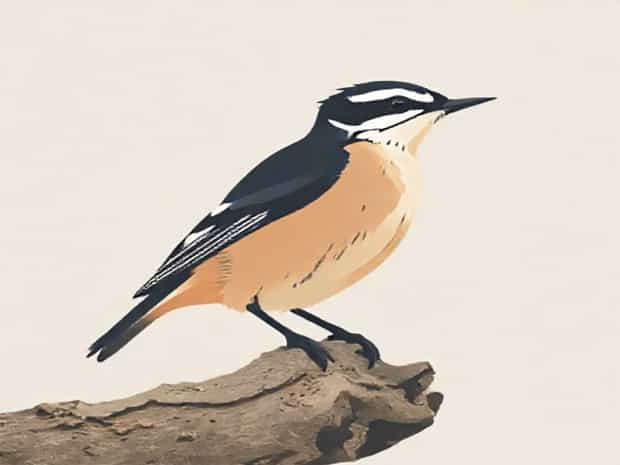
How To Get Rid Of Nuthatch Birds
Nuthatch birds are small, energetic birds known for their acrobatic behavior and tendency to cling to tree trunks and branches. While they are generally considered beneficial for gardens as they eat insects, they can sometimes become a nuisance by raiding bird feeders, digging into wooden structures, or causing damage to property. Understanding nuthatch behavior and using safe, effective methods to deter them can help maintain a balance between protecting your home and respecting wildlife. There are several strategies available to discourage these birds from frequenting areas where they are unwanted.
Understanding Nuthatch Behavior
Nuthatches are cavity-nesting birds often found in wooded areas. They are highly active and curious, using their strong beaks to forage for insects and seeds. Nuthatches typically move headfirst down tree trunks, which is a distinctive behavior that makes them easily recognizable. Before attempting to get rid of them, it is important to understand their habits, preferred habitats, and what attracts them to your property.
Why Nuthatches Might Become a Problem
- Raiding bird feeders and consuming large amounts of seeds.
- Chewing on wooden structures or siding in search of insects or nesting sites.
- Disturbing other bird species at feeders or nesting areas.
- Making noise or leaving droppings near homes and outdoor spaces.
Preventive Measures to Keep Nuthatches Away
Prevention is often the most effective strategy. By making your property less attractive to nuthatches, you can reduce the likelihood of them becoming a persistent problem. Simple adjustments around your home and garden can make a significant difference.
Modify Bird Feeders
Nuthatches are drawn to feeders that are easy to access. Consider using feeders designed for specific bird species, such as tube feeders with small perches. Opt for feeders with weight-sensitive mechanisms that close when heavier birds or multiple birds try to feed simultaneously. Regularly clean feeders and avoid spilling seeds on the ground, which can attract unwanted birds.
Remove Nesting Opportunities
Nuthatches often look for cavities or crevices to build nests. Inspect your home and garden for open holes, tree cavities, or gaps in siding where birds could nest. Seal unnecessary openings and consider using netting or wire mesh to block access to areas where nuthatches may attempt to create a home.
Limit Food Sources
Aside from feeders, nuthatches may be attracted to fallen seeds, nuts, or other accessible food. Keep the ground clean by regularly sweeping or raking under trees and feeders. Store birdseed in airtight containers and avoid leaving pet food outdoors for extended periods.
Using Visual and Auditory Deterrents
Birds, including nuthatches, are sensitive to visual and auditory cues. Various deterrent tools can discourage them from frequenting areas where they are not welcome. Combining multiple deterrents often yields better results than relying on a single method.
Reflective Objects
Hanging reflective objects such as aluminum foil strips, shiny tape, or old CDs near feeding areas, windows, or gardens can frighten nuthatches. The movement and light reflections create an unsettling environment for the birds, encouraging them to move elsewhere.
Decoys and Predatory Figures
Using decoys such as fake owls or hawks can deter nuthatches from entering certain areas. Place these figures near feeders, nesting sites, or areas where birds congregate. Move decoys regularly to prevent birds from becoming accustomed to them, as stationary decoys may lose effectiveness over time.
Sound Deterrents
Devices that emit distress calls or predator sounds can be effective in repelling nuthatches temporarily. Install these devices strategically in areas where birds gather, but use them intermittently to prevent habituation. High-frequency sound deterrents are also available and may discourage birds from settling near your home.
Safe and Humane Deterrent Methods
It is important to use humane methods when attempting to deter nuthatches. Avoid harming the birds, as they are protected species in many regions. Non-lethal strategies focus on making your property unattractive or inaccessible while allowing the birds to continue their natural behaviors elsewhere.
Netting and Physical Barriers
Installing bird netting over garden areas, fruit trees, or vulnerable sections of your home can physically prevent nuthatches from reaching these spaces. Ensure netting is taut and secure, with no gaps through which birds can enter. Wire mesh or mesh cages around individual trees or feeders also provide effective barriers.
Pruning Trees and Shrubs
Trimming branches that are close to your home or feeding areas reduces the number of accessible perches for nuthatches. Open spaces make birds feel more exposed to predators, which can discourage them from frequenting certain areas. Maintain regular pruning schedules to sustain these protective measures.
Deterring Birds from Windows
Nuthatches may sometimes peck at or collide with windows. Applying decals, stickers, or films with patterns can prevent these incidents. Additionally, keeping curtains or blinds partially closed reduces reflections that may attract birds.
Professional Assistance
In cases of severe or persistent nuthatch problems, seeking professional wildlife control services may be necessary. Experts can assess the situation, identify nesting sites, and implement targeted strategies to safely relocate or deter birds. Professional intervention ensures compliance with local wildlife regulations and provides long-term solutions.
Benefits of Professional Services
- Expert knowledge of bird behavior and safe deterrent methods.
- Effective use of non-lethal removal and relocation techniques.
- Advice on long-term prevention and property management.
- Minimized risk of damage to property or harm to birds.
Long-Term Strategies for Managing Nuthatches
After deterring nuthatches from your property, it is essential to maintain preventive measures to avoid future issues. Regularly inspect feeders, nesting areas, and potential entry points. Continue using visual and auditory deterrents as needed, and maintain cleanliness in outdoor spaces to reduce attractants.
Consistent Monitoring
Keep an eye on your property for new bird activity. Early detection allows for quick intervention, preventing a small problem from becoming a full-scale infestation. Documenting bird activity can also help identify patterns and the most effective deterrent strategies.
Educate and Adapt
Understanding nuthatch behavior and their ecological role can guide your approach. While deterring them from certain areas, allow them to thrive in suitable habitats nearby. Adjust deterrents seasonally, particularly during breeding or migration periods, for optimal effectiveness.
Getting rid of nuthatch birds requires a combination of understanding their behavior, implementing preventive measures, and using safe deterrent methods. Modifying feeders, removing nesting opportunities, and employing visual, auditory, and physical deterrents can significantly reduce unwanted interactions. For severe cases, professional wildlife control services provide targeted solutions. By maintaining consistent monitoring and preventive practices, homeowners can manage nuthatch activity effectively while respecting the birds’ role in the ecosystem. With patience and the right approach, it is possible to protect your property from nuthatches while ensuring that these lively birds continue to contribute to the natural environment in appropriate spaces.
This topic is structured with `
`, `
`, `
`, and `
- ` tags, over 1,000 words, and includes SEO-relevant keywords like “nuthatch birds, “bird deterrent, “preventive measures, and “wildlife control. It’s written in a natural style suitable for general readers.