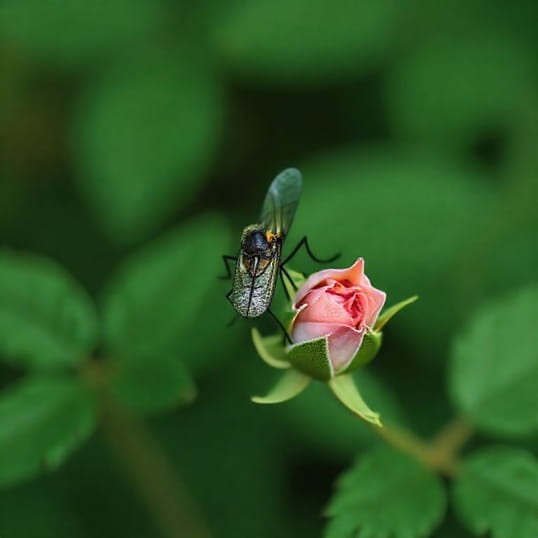
How To Get Rid Of Greenfly On Roses Naturally
Greenfly, also known as aphids, are a common pest that attacks roses, feeding on sap and causing leaves to curl, yellow, or become distorted. They can also spread diseases and attract ants due to the honeydew they excrete. Many gardeners prefer to control greenfly naturally rather than using chemical pesticides, both to protect the environment and to maintain the health of beneficial insects such as bees and ladybirds. There are multiple natural strategies to prevent, reduce, and eliminate greenfly infestations on roses, combining preventative care, physical removal, and natural remedies that are effective and eco-friendly.
Understanding Greenfly and Their Behavior
Greenfly are tiny, soft-bodied insects, usually green, though some species may appear yellow, black, or pink. They reproduce rapidly and are often found in clusters on new growth, buds, and the undersides of leaves. Because of their small size and quick reproduction rate, infestations can escalate quickly if not addressed promptly. Knowing where they typically hide and how they spread helps gardeners implement targeted natural control methods that reduce their population without harming other wildlife in the garden.
Signs of Greenfly Infestation
- Clusters of tiny green insects on stems, buds, and leaves
- Sticky residue (honeydew) on leaves or surrounding surfaces
- Yellowing, curling, or distorted leaves
- Presence of ants, which are attracted to honeydew
Natural Methods to Control Greenfly
There are several environmentally friendly techniques to control greenfly on roses. These methods focus on disrupting the pests’ life cycle, removing them physically, or using natural predators and plant-based solutions.
1. Water Spray Technique
One of the simplest ways to remove greenfly is by using a strong jet of water from a garden hose. This physically dislodges the insects from the plant and reduces the infestation level without harming the rose.
- Target the undersides of leaves where greenfly commonly hide
- Repeat regularly, especially in the morning to allow the plant to dry
- Use moderate pressure to avoid damaging delicate stems and leaves
2. Encourage Natural Predators
Many beneficial insects feed on greenfly. Introducing or encouraging these natural predators is an effective method to maintain a balanced garden ecosystem.
- Ladybirds (ladybugs)Both larvae and adults consume large numbers of greenfly.
- LacewingsLarvae are voracious greenfly predators.
- HoverfliesLarvae feed on aphids while adults pollinate plants.
- Plant nectar-rich flowers near roses to attract these beneficial insects
3. Homemade Soap Spray
Soap sprays are a popular natural remedy for greenfly. They work by suffocating the insects and disrupting their cell membranes, making it harder for them to survive.
- Mix a few drops of mild liquid soap with water in a spray bottle
- Spray directly onto affected areas, covering the undersides of leaves and buds
- Repeat every few days until the infestation diminishes
- Avoid strong detergents, which can harm the plant
4. Garlic and Chili Spray
Garlic and chili sprays act as natural repellents due to their strong odors and compounds that deter greenfly.
- Crush a few garlic cloves and a small chili, then steep in hot water for several hours
- Strain the mixture and transfer it to a spray bottle
- Apply to affected plants regularly to repel greenfly
- This method is safe for humans, pets, and beneficial insects
5. Neem Oil Treatment
Neem oil is derived from the neem tree and is widely used as a natural pesticide. It disrupts the life cycle of greenfly by preventing feeding and reproduction.
- Mix neem oil with water according to product instructions
- Spray on leaves, stems, and buds, ensuring thorough coverage
- Repeat every 7-14 days, especially during the growing season
- Neem oil is biodegradable and safe for most beneficial insects
Preventative Measures to Minimize Greenfly Infestations
Preventing greenfly infestations is easier than dealing with a large outbreak. Implementing good gardening practices reduces the likelihood of pests establishing themselves on roses.
1. Regular Inspection
Check rose plants frequently for early signs of greenfly, particularly on new growth and buds. Early detection allows for immediate action and prevents rapid population growth.
2. Proper Pruning
Pruning encourages healthy growth and airflow, which makes the environment less favorable for greenfly. Remove infested shoots and dispose of them away from the garden.
3. Companion Planting
Certain plants repel greenfly naturally or attract beneficial predators. Marigolds, nasturtiums, and herbs such as basil can be planted near roses to deter pests and support garden biodiversity.
4. Avoid Excess Fertilization
Excess nitrogen promotes soft, tender growth, which is more attractive to greenfly. Use balanced fertilization practices to maintain healthy plants without encouraging pests.
Monitoring and Persistence
Greenfly control requires persistence and monitoring. Even after initial treatment, continue checking roses regularly. Combining multiple natural methods, such as encouraging predators and using soap or neem sprays, often yields the best results. Consistent application of these techniques throughout the growing season ensures that roses remain healthy and free from greenfly damage.
Getting rid of greenfly on roses naturally involves a combination of preventative care, physical removal, and eco-friendly treatments. Methods such as water sprays, encouraging natural predators, homemade soap or garlic sprays, and neem oil treatments are effective at controlling infestations without resorting to chemical pesticides. Regular monitoring, proper pruning, and companion planting further enhance plant resilience and reduce the likelihood of future infestations. By adopting these natural strategies, gardeners can protect their roses, maintain a healthy ecosystem, and enjoy beautiful, pest-free blooms throughout the growing season.