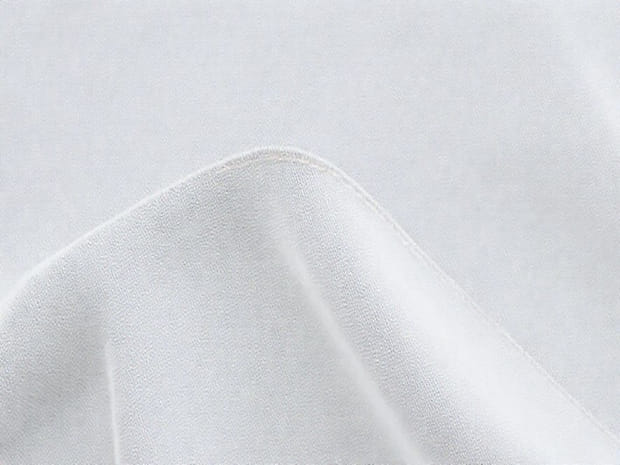
How To Find The Selvage Edge Of Fabric
Understanding the selvage edge of fabric is a fundamental skill for anyone working with textiles, whether you are a beginner sewist, an experienced tailor, or a quilting enthusiast. The selvage edge is the tightly woven edge of the fabric that runs parallel to the warp threads and prevents the fabric from unraveling. Knowing how to find and identify the selvage edge ensures that your projects are cut accurately, maintain their shape, and reduce waste. Mastery of this simple yet crucial aspect of fabric handling can significantly improve your sewing, pattern alignment, and overall fabric management.
What is a Selvage Edge?
The selvage edge, sometimes called the self-finished edge, is created during the weaving process. Unlike the raw edges of fabric, which can fray and unravel, the selvage is strong, stable, and often slightly thicker than the rest of the material. It runs lengthwise along the fabric, parallel to the warp threads, and is consistent across the entire bolt. Recognizing the selvage edge is essential because it helps you align patterns, cut accurately, and understand the grain of the fabric.
Characteristics of the Selvage Edge
- DensityThe selvage edge is usually denser and tighter than the rest of the fabric.
- Woven or Finished LookIt may have a different weave or include a printed line, brand name, or color stripe.
- Non-FrayingThe edges do not fray easily, making them ideal for reference when cutting fabric.
- DirectionalitySelvage edges run parallel to the lengthwise grain, which is important for garment fit and structural stability.
Steps to Identify the Selvage Edge
Finding the selvage edge can be straightforward if you know what to look for. Several visual and tactile cues help differentiate the selvage from the raw or cut edges of fabric.
1. Examine Both Edges
Lay your fabric flat and inspect both sides. The selvage edge is typically smoother, tighter, and more uniform than the opposite raw edges. While the raw edge may fray or have loose threads, the selvage will remain intact and even.
2. Look for Markings or Stripes
Many fabrics include printed markings along the selvage to indicate the manufacturer, color codes, or quality information. These can appear as text, dots, or color stripes. While markings are not present on all fabrics, they are a clear indicator when available.
3. Check the Grain Direction
The selvage runs parallel to the lengthwise threads, also known as the warp. To confirm this, gently pull a few threads along the edges. The warp threads run straight and do not stretch much, whereas the weft threads running perpendicular may have more give. Aligning your pattern pieces with the warp threads ensures that garments hang correctly and fabric maintains stability.
4. Feel for a Difference in Texture
The selvage edge often has a slightly thicker or firmer feel compared to the main fabric. This tactile difference can help you identify the edge, especially in fabrics without markings or visible stripes.
Why Identifying the Selvage Edge Matters
Knowing the selvage edge is more than a technical skill; it has practical implications for your sewing projects. Properly identifying the selvage ensures accurate cutting, pattern alignment, and fabric usage, leading to professional-looking results.
1. Accurate Pattern Alignment
Most sewing patterns include instructions to align with the grainline, which runs parallel to the selvage. Using the correct grainline ensures that garments drape properly and maintain their shape. Misaligned patterns can result in twisting seams, uneven hems, and poor fit.
2. Reduces Fabric Waste
Cutting with awareness of the selvage prevents mistakes that lead to wasted fabric. Since the selvage is stable and non-fraying, it provides a reliable reference point for straight lines and measurements.
3. Enhances Quilting and Craft Projects
In quilting, accurately identifying the selvage edge helps when cutting strips, aligning blocks, and maintaining consistent dimensions. It also helps to avoid distortions that may occur when the fabric shifts or stretches.
Practical Tips for Working with the Selvage
Once you can identify the selvage, certain practices can help you work with it efficiently and safely.
1. Use the Selvage for Reference Lines
The selvage can act as a natural straight edge for cutting and marking fabrics. Use it as a guide to measure and draw parallel lines for pattern placement or fabric trimming.
2. Remove Selvages When Necessary
While useful for alignment, the selvage edge can be thicker or have markings that may interfere with your project. Trim the selvage before sewing if it affects the appearance or fit, but always use it to establish the correct grainline first.
3. Store Fabric with Selvages Aligned
When folding or rolling fabric for storage, keep the selvages aligned. This prevents distortion, makes it easier to cut future projects, and maintains fabric integrity.
4. Test Stretch and Grain
Especially with stretch fabrics, identifying the selvage helps determine the direction of maximum stretch. The lengthwise grain along the selvage generally stretches less, while the crosswise direction may provide more flexibility, which is important for garments that require specific fit and movement.
Common Mistakes to Avoid
- Assuming Edges are SelvageRaw or cut edges can be mistaken for the selvage if not carefully inspected.
- Ignoring Grain DirectionFailing to align with the selvage can lead to twisting, uneven hems, and poor drape.
- Overlooking Fabric TypeSome fabrics, especially loosely woven or specialty fabrics, may have subtle or indistinct selvages, requiring extra attention.
Finding the selvage edge of fabric is a fundamental skill that significantly impacts the success of sewing, quilting, and crafting projects. By understanding its characteristics, learning to identify it through visual and tactile cues, and using it to guide cutting and pattern alignment, you ensure accurate and professional results. Proper handling of the selvage not only reduces mistakes and fabric waste but also improves the fit, stability, and appearance of finished projects. With practice, identifying and using the selvage becomes second nature, making every sewing project more precise and enjoyable.