How To Find Selvage Edge
Working with fabric can be an enjoyable and creative experience, but it requires a certain level of understanding to ensure the best results. One of the essential concepts for anyone interested in sewing, quilting, or crafting with textiles is the selvage edge. Knowing how to find the selvage edge is crucial because it affects cutting, pattern placement, and the overall quality of your finished project. The selvage provides a stable, finished edge that prevents fabric from fraying, and recognizing it correctly can save time, reduce mistakes, and improve the durability of your work.
What is a Selvage Edge?
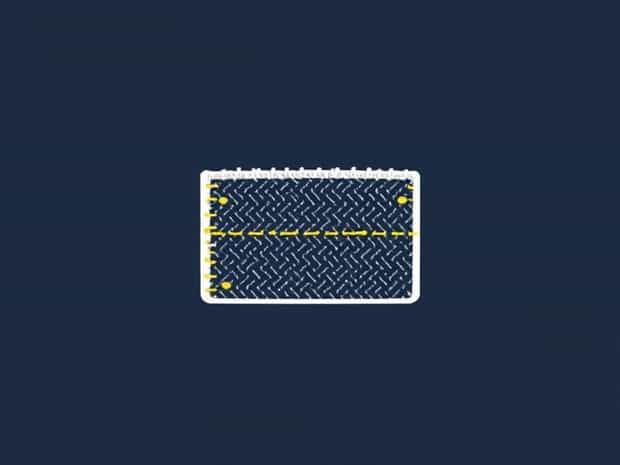
The selvage edge is the tightly woven edge of a fabric that runs parallel to the warp threads. Unlike the raw edges of a cut fabric, the selvage is finished and does not fray, making it a reliable reference point for measuring and cutting. It often features manufacturer details, such as color dots, printed brand names, or registration marks that indicate color alignment. Understanding the function and characteristics of the selvage edge is key to working efficiently with fabric and ensuring precision in sewing and quilting projects.
Why the Selvage Edge is Important
There are several reasons why identifying the selvage edge is important in fabric work. First, it provides a straight, stable edge that can be used for measuring and aligning patterns. Second, the selvage helps prevent fraying during handling and sewing, particularly when working with delicate or loosely woven fabrics. Third, using the selvage as a reference ensures that patterns are cut along the grain, which affects the drape, stretch, and appearance of the finished garment or craft. By recognizing and using the selvage edge correctly, crafters and sewers can achieve cleaner, more professional results.
How to Identify the Selvage Edge
Identifying the selvage edge may seem straightforward, but it requires careful observation, especially for beginners. Here are several ways to find the selvage edge
Look for Manufacturer Marks
Most commercial fabrics have printed information along the selvage edge. This may include the brand name, fabric collection, color registration dots, or a pattern code. These marks run along one or both edges of the fabric, making it relatively easy to distinguish the selvage from the raw edges. Even if the printing is subtle or faint, it usually indicates the stable edge of the fabric.
Check for a Tighter Weave
The selvage edge is typically more tightly woven than the rest of the fabric. This tight weave prevents fraying and gives the edge a slightly stiffer texture. By feeling along the fabric edges, you can often detect which edge is the selvage. This tactile method is especially useful for fabrics without printed markings, such as some natural fibers or handwoven textiles.
Observe the Grain of the Fabric
Fabric consists of warp and weft threads, and the selvage edge runs parallel to the warp threads. The warp threads are typically straighter and provide the fabric with its primary stability. By holding the fabric up to the light or stretching it slightly, you can identify the direction of the warp and find the edge that remains straight and firm the selvage. This method is critical when you need to cut pieces along the grain for proper drape and fit.
Compare Both Edges
If the fabric is cut on the bolt, one edge may appear uneven or frayed, which is the raw edge. The other edge, often cleaner and straight, is likely the selvage. Comparing both edges side by side can help you distinguish between the selvage and raw edges, ensuring you work with the correct reference point for your project.
Tips for Working with the Selvage Edge
Once you have identified the selvage edge, there are several ways to use it effectively in your sewing and crafting projects. Utilizing the selvage correctly can enhance the accuracy, appearance, and longevity of your finished items.
Use Selvage for Measuring and Cutting
The straight and stable nature of the selvage makes it an ideal reference for measuring and cutting fabric. Placing a ruler or cutting tool along the selvage helps ensure that cuts are straight, reducing the likelihood of skewed or uneven edges. This technique is especially helpful in quilting and garment construction, where precision is critical.
Align Patterns Along the Grain
When cutting out patterns, aligning pieces parallel or perpendicular to the selvage ensures that they follow the fabric grain. This alignment affects how the fabric drapes, stretches, and behaves during sewing. For garments, cutting along the grain helps prevent twisting and distortion, while in quilting, it ensures that blocks and seams remain square.
Consider Removing Selvage if Needed
In some projects, the selvage may not be needed in the finished piece. Since it is thicker and stiffer than the rest of the fabric, it can affect seams or hems if left in place. Many sewers trim the selvage off before cutting their pattern pieces, particularly for lightweight or delicate fabrics. However, in other cases, keeping the selvage can add stability to edges or serve as a guide for straight stitching.
Handling Special Fabrics
Different types of fabric may have subtle or unusual selvages. Knits, stretch fabrics, or handwoven textiles may not have obvious printed marks, but the edge still runs along the warp threads and is more stable than the rest of the fabric. By using tactile observation and understanding fabric behavior, you can identify the selvage edge even in less conventional materials.
Common Mistakes to Avoid
Beginners often make mistakes when identifying or using the selvage edge. Being aware of these can save time and prevent errors in sewing projects
- Assuming both edges are the same Not all edges are selvages; check carefully.
- Cutting without checking the grain This can lead to fabric distortion in the finished project.
- Ignoring fraying Trimming or stabilizing raw edges is important to prevent unraveling.
- Over-relying on visual marks Some fabrics may have faint or no printed information, so feel and grain direction are essential.
Knowing how to find the selvage edge is an essential skill for anyone working with fabric, whether you are sewing garments, quilting, or crafting. The selvage edge provides a stable reference for cutting, aligns patterns with the fabric grain, and prevents fraying, ensuring a polished and professional result. By learning to identify the selvage through manufacturer marks, texture, and grain direction, and by understanding how to work with it effectively, crafters and sewers can achieve better precision, durability, and appearance in their projects. Mastering this simple but crucial technique lays the foundation for more advanced fabric handling and enhances the overall sewing experience.