How To Euthanize Betta Fish
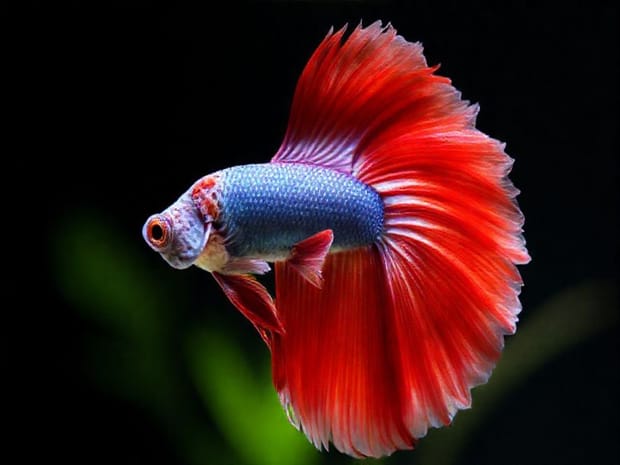
Facing the difficult decision to euthanize a betta fish can be emotionally challenging for any fish owner. Betta fish, also known as Siamese fighting fish, are cherished for their vibrant colors and unique personalities, making the thought of ending their life particularly distressing. Unfortunately, there are situations where euthanasia becomes the most humane option, such as when the fish is suffering from severe illness, injury, or a condition that cannot be treated. Understanding the safest and most ethical methods for euthanizing a betta fish is essential for minimizing stress and ensuring a peaceful passing.
Recognizing When Euthanasia is Necessary
Before proceeding with euthanasia, it is important to assess the betta fish’s health and quality of life. Signs that indicate a fish may be suffering and unable to recover include persistent lethargy, severe fin rot, inability to swim properly, constant gasping at the water surface, or visible tumors or deformities. Consulting with an experienced aquarist or a veterinarian who specializes in fish can provide valuable guidance and confirm whether euthanasia is the most humane course of action.
Evaluating Health and Behavior
Betta fish often show subtle signs of distress that can be difficult to interpret. A fish that stops eating, hides constantly, or exhibits erratic swimming behavior may be experiencing discomfort or pain. Observing these signs carefully over a period of time can help determine if the condition is temporary and treatable, or if it is chronic and causing prolonged suffering. Making a timely decision ensures that the fish does not endure unnecessary pain.
Humane Methods for Euthanizing Betta Fish
Humane euthanasia aims to minimize pain, stress, and fear. There are several methods that are considered acceptable among aquarists and veterinarians. Each method should be carried out with care, preparation, and respect for the fish.
Clove Oil Method
Clove oil is one of the most commonly recommended methods for euthanizing small fish like bettas due to its effectiveness and relative ease of use. Clove oil contains eugenol, which acts as an anesthetic and sedative for fish, leading to a painless and gradual passing.
- Prepare a small container with water similar in temperature to the betta’s current tank to prevent shock.
- Add a few drops of clove oil to the water and mix thoroughly. The water may appear cloudy, which is normal.
- Gently transfer the betta fish into the clove oil solution. Observe the fish as it becomes sedated and gradually loses consciousness.
- After 10-20 minutes, when the fish is completely unresponsive and breathing has ceased, the euthanasia is considered complete.
Cold Water or Ice Method (Controversial)
Some aquarists use a cold water or ice bath method for tropical fish like bettas. This method involves lowering the water temperature gradually, which slows the fish’s metabolism. However, this approach is controversial because if done incorrectly, it can cause distress or shock to the fish. It is generally recommended only if done with proper knowledge and as a last resort.
Veterinary Assistance
For those who are unsure or uncomfortable performing euthanasia at home, consulting a veterinarian is the safest and most reliable option. Veterinarians can provide professional methods, such as an injection that induces a painless passing, ensuring that the fish experiences no stress. While this option may be more costly, it guarantees ethical and humane treatment.
Preparation and Care During Euthanasia
Creating a calm and controlled environment is essential. Fish are highly sensitive to stress, so reducing sudden movements, noise, or other disturbances around the container can help ensure a peaceful process. Additionally, having all materials prepared beforehand such as clove oil, a clean container, and warm water prevents delays that could increase stress for the fish.
Steps for a Calm Environment
- Choose a quiet and private location where interruptions are minimal.
- Handle the fish gently and with care to avoid causing panic or injury.
- Maintain water conditions that are as similar as possible to the fish’s tank, including temperature and pH.
Aftercare and Disposal
After euthanasia, proper aftercare and disposal are important out of respect for the pet and to prevent health hazards. There are several acceptable methods for handling the remains of a betta fish.
Burial
Burial is a common and respectful method. Select a location away from foot traffic, pets, and water sources. A small, biodegradable container or a natural wrapping like newspaper can be used. Dig a hole deep enough to prevent scavengers from disturbing the remains.
Cremation
Pet cremation services are available for fish in some areas. This method allows for a clean, safe, and dignified option. Ashes can be kept in a small container as a memento, offering closure for the owner.
Environmental Considerations
It is important to avoid disposing of the fish in sinks, toilets, or bodies of water, as this can be unsanitary and environmentally harmful. Following safe disposal guidelines ensures that the process is responsible and respectful.
Emotional Support for Owners
Losing a pet, even a small one like a betta fish, can be emotionally difficult. Allowing oneself to grieve is natural, and seeking support from friends, family, or online communities can help. Remembering the joy and companionship that the betta brought can provide comfort during this challenging time.
Creating a Memorial
Some owners find solace in creating a small memorial, such as a photo, drawing, or a dedicated spot in their home or garden. Honoring the fish’s life acknowledges the bond shared and can help in the grieving process.
Deciding to euthanize a betta fish is never easy, but prioritizing the fish’s welfare and minimizing suffering is a compassionate choice when no other options are available. Methods such as using clove oil or seeking veterinary assistance are considered humane and effective. Preparing a calm environment, handling the fish with care, and following proper aftercare procedures ensure that the process is as stress-free and dignified as possible. Additionally, acknowledging the emotional impact on the owner and finding ways to memorialize the pet helps in coping with the loss. By approaching euthanasia responsibly and thoughtfully, fish owners can provide their beloved betta with a peaceful and respectful passing.