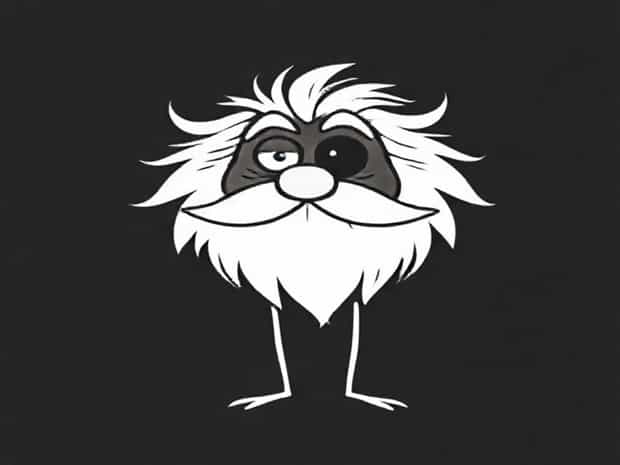
How To Draw Mr Twit
Drawing Mr. Twit, one of Roald Dahl’s most notorious and memorable characters, is a fun and creative exercise for artists of all ages. Known for his unkempt beard, scruffy hair, and dirty appearance, Mr. Twit is an exaggerated figure full of personality and humor. Capturing his unique look requires understanding his facial features, posture, and signature expressions, which convey his mischievous and somewhat grotesque personality. Whether you want to create a cartoonish rendition or a more detailed illustration, learning how to draw Mr. Twit involves studying his characteristics, breaking them down into manageable shapes, and bringing his comical yet menacing persona to life on paper. This guide will walk you through each step, helping you produce a drawing that feels lively and true to the character.
Understanding Mr. Twit’s Features
Before putting pencil to paper, it’s important to study the distinctive features of Mr. Twit. He is typically depicted with a long, scraggly beard, wild and greasy hair, and a face that expresses mischief and unpleasantness. His eyes are often small and squinty, giving him a sneaky look, while his nose is prominent and slightly crooked. His mouth may show a grimace or a mischievous grin, reflecting his mean-spirited personality. Clothing is often shabby and wrinkled, enhancing his untidy appearance. By observing these key traits, you can ensure that your drawing communicates the essence of Mr. Twit’s character rather than just a generic old man.
Materials You Will Need
To draw Mr. Twit, gather basic art supplies such as pencils, erasers, and paper. Different grades of pencils (HB, 2B, 4B) can help with sketching and shading. Fine liners or ink pens are useful for emphasizing outlines and details. Optional colored pencils or markers can bring additional life to your illustration if you wish to add color to hair, beard, or clothing. Reference images from illustrations in Roald Dahl’s books or online depictions can guide you in capturing Mr. Twit’s quirky features accurately. Working in a well-lit space also helps you observe and replicate the character’s textures and expressions more effectively.
Starting with Basic Shapes
Begin your drawing by blocking out the general shapes of Mr. Twit’s head and body. Use a rough oval for the head and basic lines to indicate the position of the eyes, nose, and mouth. Sketch the torso using simple rectangles or trapezoids to represent the clothing, keeping the posture slightly hunched to convey his scruffy, old appearance. At this stage, do not focus on details; the goal is to establish proportions and pose. Using light pencil strokes allows you to adjust the shapes easily as you refine the drawing.
Drawing the Face
The face is the most important element in capturing Mr. Twit’s character. Begin with the eyes, placing them close together and adding a squinty, mischievous expression. Draw a large, crooked nose, and then sketch his mouth with a crooked grin or grimace, showing his unpleasant personality. Add his scruffy beard and mustache, using irregular lines to give it a wild and untidy look. Hair should be drawn in messy, wavy strokes, indicating its greasy and unkempt nature. Remember that exaggeration is key Mr. Twit’s charm comes from his exaggerated, comical features.
Adding Details and Clothing
After the face is complete, move on to clothing and accessories. Mr. Twit typically wears shabby, wrinkled clothing, which you can represent with loose, uneven lines and folds. Buttons, patches, or tattered edges can enhance the scruffy look. His hands and feet may also be included, often appearing dirty or slightly exaggerated to emphasize his unpleasant demeanor. Adding details such as fingernails, wrinkles, or folds in the clothing creates texture and adds realism to the cartoonish style.
Shading and Texture
Shading helps give Mr. Twit depth and three-dimensionality. Lightly shade areas of his face, beard, and clothing to suggest volume. Darker lines and cross-hatching can emphasize the texture of his scruffy hair and beard. You may also use shading to suggest shadows under his eyes, nose, and chin, enhancing the comical yet grotesque expression. For the clothing, shading folds and wrinkles helps convey the worn and tattered look. Combining these techniques brings the character to life and makes him visually interesting.
Expressing Personality through Posture and Gesture
Mr. Twit’s personality is not just in his facial features but also in his posture and gesture. Drawing him slightly hunched over, with bent knees or arms positioned in a scheming pose, adds character to your illustration. Exaggerating the hands, fingers, or feet can enhance the comic effect, while small details like a pointing finger or raised eyebrow convey mischievous intent. Incorporating these elements ensures that your drawing captures the essence of the character’s personality rather than just his appearance.
Common Mistakes to Avoid
- Making Mr. Twit’s features too regular or symmetrical, which can lose the exaggerated charm.
- Neglecting the scruffy texture of hair and beard, making him appear too clean.
- Ignoring the importance of posture and gesture, resulting in a static and lifeless figure.
- Overcomplicating facial details, which can distract from the overall character expression.
- Using heavy lines too early, limiting the ability to adjust shapes and proportions.
Finishing Touches and Optional Coloring
Once the main drawing is complete, go over the lines to emphasize important features. Clean up unnecessary construction lines and enhance details in the face, beard, and clothing. If desired, add color using colored pencils, markers, or digital tools. Choose colors that reflect Mr. Twit’s grimy and worn-out appearance muted browns, grays, and dull greens or blues can work well for clothing. Hair and beard can be slightly darker or streaked to suggest dirtiness. Adding these finishing touches elevates your drawing and makes Mr. Twit recognizable and engaging.
Practicing for Improvement
Drawing Mr. Twit takes practice and observation. Start with simple sketches to get familiar with his exaggerated facial features, then gradually add more details and textures. Experiment with different expressions, poses, and clothing variations to make each illustration unique. Studying different artistic interpretations of Mr. Twit can also provide inspiration and techniques to improve your own style. With practice, you will be able to consistently capture his humorous, grotesque, and mischievous personality in your drawings.
drawing Mr. Twit involves understanding his exaggerated facial features, scruffy hair and beard, tattered clothing, and expressive posture. By starting with basic shapes, refining facial details, adding clothing textures, and shading for depth, you can create a lively and humorous illustration. Paying attention to posture, gesture, and personality ensures that your drawing captures the essence of this iconic Roald Dahl character. With practice and observation, you can bring Mr. Twit to life on paper, combining comic exaggeration with realistic details for a memorable artwork.