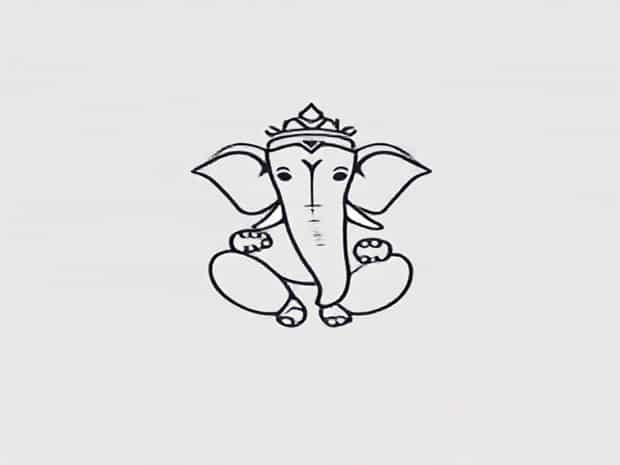
How To Draw Ganesha
Drawing Ganesha, the beloved elephant-headed Hindu deity, can be a rewarding experience for artists of all levels. Known as the remover of obstacles and the god of wisdom, Ganesha has a distinctive form that includes an elephant head, multiple arms, and symbolic accessories. Capturing his essence requires attention to detail, proportion, and expression, while also embracing the spiritual and cultural significance behind each element. Learning how to draw Ganesha combines artistic skill with an understanding of traditional iconography, allowing you to create a representation that feels both authentic and visually appealing.
Understanding Ganesha’s Form
Before picking up a pencil, it’s important to familiarize yourself with Ganesha’s anatomy and symbolism. Ganesha is typically depicted with a large elephant head, a rounded belly, and four arms, although some depictions may show more. Each of his hands usually carries symbolic items, such as a lotus, an axe, a rope, or sweets called modaks. His trunk is often curved in a specific way, and his ears are large and fan-like, symbolizing his ability to listen to devotees. Observing reference images and traditional sculptures will help you understand the proportions and unique features that make Ganesha recognizable.
Gathering Materials
For drawing Ganesha, you don’t need complicated materials. A basic set of pencils, erasers, and paper is sufficient for sketches. If you want to add color later, colored pencils, markers, or watercolors can bring the drawing to life. Additionally, having a ruler and a compass can help you maintain symmetry, especially for creating the circular patterns often found around Ganesha in mandalas or decorative backgrounds.
Step-by-Step Guide to Drawing Ganesha
Step 1 Sketch the Basic Shapes
Start by lightly sketching the main shapes that form Ganesha’s body. Draw a large circle for the head and a bigger oval for the torso. Add guidelines to indicate the position of the eyes, trunk, and arms. These initial shapes do not need to be detailed; they serve as a foundation for building the final drawing. Make sure the proportions are balanced, with the head slightly smaller than the torso to give a natural and harmonious look.
Step 2 Outline the Head and Trunk
Focus on Ganesha’s elephant head. Draw a curved trunk extending downward or to the side, depending on your chosen pose. Sketch the large ears, shaped like fans, ensuring they are symmetrical. Add the eyes on the guideline and consider adding small details like the tilaka mark on the forehead. The head is a crucial element because it conveys Ganesha’s identity, so take your time to get the shape and expression right.
Step 3 Draw the Arms and Hands
Ganesha is usually depicted with four arms. Lightly sketch each arm extending from the torso, keeping the proportions in mind. The hands can hold different symbolic objects
- An axe or goad to remove obstacles
- A lotus flower representing purity
- A bowl of sweets or modaks symbolizing abundance
- A rope or noose for guiding devotees
Ensure that the hands are proportionate and expressive, with fingers slightly curved to hold the objects naturally.
Step 4 Add the Legs and Feet
Sketch Ganesha’s legs beneath the torso. He is often shown seated in a cross-legged or relaxed posture. Pay attention to the folds and positioning, as this will make the figure appear more grounded and natural. The feet can be adorned with anklets or simple patterns depending on your reference.
Step 5 Detail the Accessories and Decorations
Once the basic form is complete, add details such as Ganesha’s crown, necklaces, and bracelets. These accessories often have intricate patterns, so take your time to replicate the details accurately. You can also include decorative elements around him, like a halo, ornate throne, or mandala patterns. These details not only enhance the visual appeal but also emphasize the divine nature of Ganesha.
Step 6 Refine the Drawing
Go over your lines with a darker pencil or pen to define the final contours. Erase the initial guidelines and construction shapes. Make sure the trunk, ears, and arms are smooth and natural, and the accessories are clearly visible. Adding texture to the skin and clothing folds can enhance realism, while keeping the lines clean will maintain clarity.
Tips for Drawing Ganesha
- Observe traditional sculptures and paintings to understand proportions and symbolic elements.
- Practice drawing elephant features separately to master the trunk, ears, and eyes.
- Keep your pencil strokes light at first, allowing for corrections and adjustments.
- Use symmetry techniques, like dividing the paper with light guidelines, to ensure balance.
- Experiment with different poses and perspectives to make your drawing unique.
- Consider adding a background or decorative patterns to enhance the composition.
Common Mistakes to Avoid
- Ignoring the proportions of the elephant head relative to the body, making it look unnatural.
- Misplacing the hands or arms, which can make holding objects appear awkward.
- Overcomplicating details too early, which can clutter the drawing.
- Neglecting cultural and symbolic aspects, which may reduce the authenticity of the depiction.
Adding Color and Shading
Once the outline is complete, you can add shading to create depth and dimension. Lightly shade areas that are farther from the light source, such as under the trunk or behind the legs. If using color, traditional Ganesha drawings often feature shades of red, orange, gold, and yellow. You can also experiment with modern color palettes while keeping the overall harmony and balance. Layering colors gradually and blending them softly will make your Ganesha drawing more vibrant and three-dimensional.
Drawing Ganesha is a blend of technical skill and cultural appreciation. By following a step-by-step approach starting with basic shapes, outlining the head and trunk, drawing the arms and legs, and adding details and accessories you can create a representation that is both accurate and artistically appealing. Practicing regularly and observing traditional references will improve your ability to capture his distinctive features. Remember that Ganesha’s essence is not only in his form but also in the symbolism he carries. Attention to detail, patience, and respect for the cultural significance will ensure your artwork honors the spirit of this revered deity. With time, you can develop your own style while maintaining the iconic elements that make Ganesha instantly recognizable and inspiring.
Whether for personal practice, spiritual expression, or artistic projects, drawing Ganesha allows you to explore both your creativity and your understanding of traditional iconography. With careful observation, methodical practice, and thoughtful detailing, your Ganesha drawing can become a meaningful and visually striking piece of art.