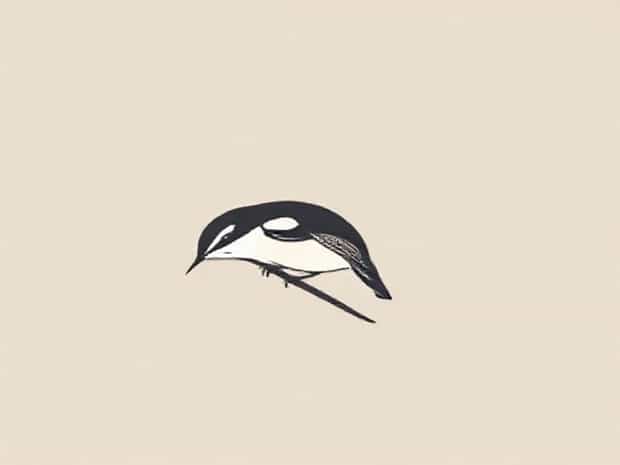
How To Draw A Nuthatch
Drawing a nuthatch can be an enjoyable and rewarding experience for bird enthusiasts and artists alike. These small, agile birds are known for their distinctive posture, short tails, and striking color patterns, often featuring shades of blue, gray, and rust. Capturing the unique essence of a nuthatch requires attention to its proportions, anatomy, and characteristic behaviors. By carefully observing reference images and breaking down the drawing process into manageable steps, artists can create a lifelike depiction that conveys both the charm and energy of this remarkable bird.
Understanding the Nuthatch
Before starting a drawing, it is important to understand the basic features of a nuthatch. These birds are small, typically measuring around 4.5 to 5 inches in length, with a compact body, short wings, and a slightly upturned tail. Their heads are often rounded, with a sharp, pointed beak ideal for probing bark and feeding on insects. Nuthatches are famous for their ability to climb down trees headfirst, a behavior that can add dynamic movement to your drawing. Recognizing these traits helps ensure your depiction is accurate and realistic.
Studying Reference Images
Using reference images is essential when learning how to draw a nuthatch. Observing the bird from multiple angles allows you to understand its posture, wing shape, and feather patterns. Pay attention to the placement of the eyes, the curvature of the beak, and the positioning of the legs and claws. Studying photographs, illustrations, and even videos can provide a deeper understanding of how the bird moves and perches, which is particularly useful for adding life and energy to your artwork.
Materials Needed
Gathering the proper materials is crucial for a successful drawing. Basic supplies include pencils of varying hardness, erasers, a sharpener, and good-quality paper. If you plan to add color, watercolor, colored pencils, or markers are excellent options. Some artists prefer fine liners or ink pens to define details after completing the initial sketch. A comfortable workspace with good lighting will make it easier to capture the subtle details of the nuthatch’s anatomy and feather patterns.
Step-by-Step Guide to Drawing a Nuthatch
Step 1 Basic Shapes
Begin by sketching the basic shapes that form the bird’s body. Use an oval for the torso and a smaller circle for the head. Draw guidelines for the wings, tail, and legs. These shapes serve as a framework to maintain proportion and balance in the drawing. Keep the lines light, as they will be refined in later steps.
Step 2 Drawing the Head and Beak
Next, refine the head shape, adding the rounded contours typical of a nuthatch. Sketch the eyes, placing them slightly forward on the head for a realistic look. Draw the beak as a sharp, pointed structure extending from the face. The angle and length of the beak are important, as they contribute to the bird’s characteristic appearance. Adding slight curvature or tapering toward the tip enhances realism.
Step 3 Adding the Body and Wings
Refine the body shape, connecting it smoothly to the head. Sketch the wings folded against the sides of the bird, paying attention to the layering of feathers. The wing feathers should be drawn in overlapping sections to create depth and texture. Observing reference images will help you capture the correct shape and proportions of the wings in relation to the torso.
Step 4 Drawing the Tail and Legs
The tail of a nuthatch is relatively short and often slightly pointed. Draw the tail feathers extending from the back of the bird, ensuring they are proportionate to the body. Next, sketch the legs and claws, noting that nuthatches have strong, gripping feet that allow them to cling to tree bark. Position the legs according to the bird’s stance, whether perched or climbing.
Step 5 Adding Feather Details
Once the basic shapes are established, add details to the feathers. Use short, light strokes to mimic the texture of individual feathers, particularly along the wings, chest, and back. Pay attention to the direction of the feathers and the way they overlap. This step adds realism and depth to your drawing, giving the bird a lifelike appearance.
Step 6 Refining and Shading
Refine the outlines and erase unnecessary guidelines. Begin shading to suggest volume and light direction. Nuthatches often have subtle color variations, such as a blue-gray back and a rust-colored underbelly. Use shading techniques to indicate these transitions, and consider adding gentle highlights to areas that catch the light. Shading enhances the three-dimensional feel of your drawing.
Tips for Beginners
- Start with simple shapes and gradually add details.
- Use multiple reference images to understand anatomy and proportions.
- Keep initial lines light for easy corrections.
- Practice drawing wings and feathers separately to gain confidence.
- Observe the bird’s natural posture to add dynamic movement.
- Experiment with shading to enhance depth and realism.
Exploring Different Styles
While realistic drawing is one approach, you can also try stylized or cartoon versions of a nuthatch. Simplifying shapes, emphasizing certain features like the beak or eyes, or using bold lines can give your artwork a unique look. Exploring different styles helps develop creativity and allows you to capture the essence of the nuthatch in diverse ways.
Adding Color
Coloring your nuthatch drawing can bring it to life. Observe the subtle hues in the bird’s feathers, including the blue-gray tones on the back, the pale underparts, and the rust-colored areas on the flanks. Colored pencils, watercolors, or markers can be used to layer colors gradually. Pay attention to light and shadow to maintain the three-dimensional appearance. Soft blending and layering techniques can replicate the texture of the feathers more effectively.
Learning how to draw a nuthatch requires patience, observation, and practice. By understanding the bird’s anatomy, studying reference images, and following a step-by-step approach, you can create a drawing that captures both the physical features and the lively personality of this small but fascinating bird. Whether you aim for a realistic depiction or a stylized interpretation, consistent practice and attention to detail will help improve your skills. Over time, your ability to draw nuthatches, as well as other birds, will continue to grow, allowing you to produce more expressive and captivating artwork.