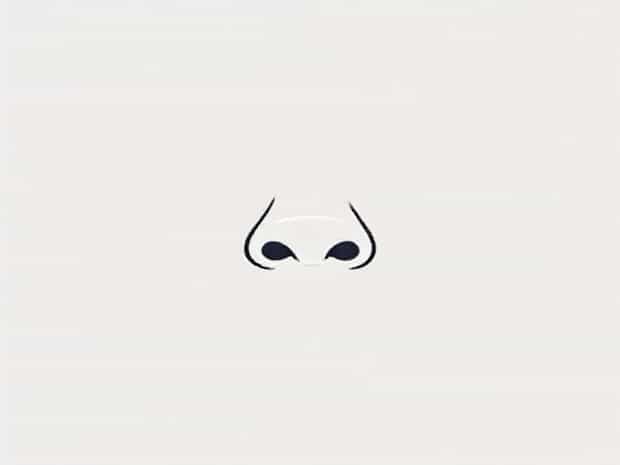
How To Draw A Nose Realistically
Drawing a nose realistically can seem challenging because it involves subtle shapes, shadows, and proportions rather than sharp lines or simple forms. Unlike drawing eyes or lips, the nose has few defining outlines, which makes shading and structure extremely important. To master the skill of drawing a realistic nose, it is helpful to understand its anatomy, practice with different angles, and learn how to use light and shadow to create depth. With patience and careful observation, artists can improve their ability to render noses that look natural and three-dimensional.
Understanding the Structure of the Nose
Before starting the drawing process, it is important to break the nose down into basic shapes. The nose is not just one flat feature it is made up of different parts that interact with light in unique ways. Understanding this structure helps you capture a realistic look.
Key Parts of the Nose
- BridgeThe upper part of the nose that connects to the forehead. It can be narrow, wide, straight, or curved.
- Ball (tip)The rounded end of the nose, often highlighted by light reflections.
- NostrilsThe openings at the base, usually shaded darker to show depth.
- AlaThe curved sides of the nose that connect the nostrils to the cheeks.
- SeptumThe small vertical strip of cartilage between the nostrils.
Thinking of the nose as a combination of spheres, cylinders, and triangles makes it easier to sketch. These shapes provide a foundation before adding shading and detail.
Basic Steps for Drawing a Nose
To draw a nose realistically, start with simple guidelines, then gradually refine the details. The process usually involves sketching basic shapes, defining proportions, and finally working with shadows and highlights.
Step 1 Draw Basic Guidelines
Begin with a vertical line down the center of the face to place the nose symmetrically. Add a horizontal line where the base of the nose will sit. From there, draw a triangle or trapezoid shape to mark the general width and placement of the nostrils. These guidelines help maintain balance.
Step 2 Add Simple Shapes
Sketch a sphere for the ball of the nose and add smaller circles or curved lines for the nostrils. The bridge of the nose can be represented with straight or slightly curved lines, depending on the angle. Keep the shapes light and loose, since they will guide your shading later.
Step 3 Define the Structure
Start shaping the nose by refining the lines of the bridge, nostrils, and tip. Avoid drawing hard outlines; instead, use soft lines that you will blend into shadows. Remember that the nose has more form than contour, so shading will do most of the work.
Step 4 Apply Shading
Shading is the most important step in creating a realistic nose. Identify your light source and decide which parts of the nose will be illuminated and which will be in shadow. Typically, the bridge catches light, the sides and nostrils fall into shadow, and the tip may have a small highlight. Blend gradually to create smooth transitions between light and dark areas.
Step 5 Add Final Details
Darken the nostrils, refine the shadows under the nose, and lightly emphasize the edges of the nostrils. Be careful not to overdraw lines; realistic noses rely on subtle shading rather than heavy outlines. Finally, add highlights on the tip or bridge to enhance the three-dimensional effect.
Shading Techniques for Realistic Noses
To make the nose appear natural, shading must be done with care. Overly harsh shadows or strong lines can make the nose look flat or cartoonish. Instead, focus on gradual blending.
Tips for Shading
- Use light strokes with a pencil to build up layers gradually.
- Blend with a blending stump, tissue, or your finger for smooth transitions.
- Keep highlights clean by erasing gently in areas where light hits.
- Avoid outlining the nose; let shadows define its shape.
- Pay attention to cast shadows under the nose, which give depth to the drawing.
Drawing the Nose from Different Angles
Practicing noses from multiple perspectives helps artists develop versatility. Each angle presents unique challenges and requires different shading approaches.
Front View
From the front, the nose appears symmetrical. Focus on the nostrils, which form soft curves, and the shading along both sides of the bridge. The ball of the nose should have a round highlight.
Profile View
In profile, the nose’s shape becomes more defined. The bridge, tip, and nostril outline are prominent. Shading emphasizes the curve of the ball and the shadow cast by the nose onto the upper lip.
Three-Quarter View
This angle combines elements of the front and profile views. One nostril is more visible than the other, and the shading must be carefully balanced to show depth. The three-quarter view is often the most challenging but also the most dynamic.
Common Mistakes to Avoid
When learning how to draw a nose realistically, beginners often make similar mistakes. Being aware of these errors can improve your technique quickly.
- Outlining the nose too heavily, which makes it look flat.
- Forgetting about the light source and shading inconsistently.
- Making both nostrils identical when they should differ slightly in shape and visibility.
- Over-darkening shadows, which removes the softness of real noses.
- Ignoring the relationship of the nose to other facial features.
Practicing Realism
Practice is the key to mastering realistic noses. Studying reference photos, observing people, and sketching regularly helps build muscle memory. Focus on one aspect at a time for example, practicing nostril shapes or shading the bridge before combining all elements in a full drawing.
Another useful exercise is drawing noses of different shapes and sizes. Not every nose looks the same; capturing variation will improve your skills and make your drawings more lifelike. Drawing both subtle and pronounced noses can teach you how to adjust proportions and shading techniques.
Using Tools Effectively
The right tools make a difference in achieving realistic results. A range of pencils, such as 2H for light guidelines and 4B or 6B for dark shadows, helps create contrast. An eraser is essential not just for corrections but also for lifting highlights. Blending tools like stumps or tissues add softness to shading, making the nose appear three-dimensional.
Learning how to draw a nose realistically requires patience, practice, and careful observation. By understanding the structure of the nose, starting with simple shapes, and mastering shading techniques, artists can bring depth and lifelike quality to their drawings. Practicing from different angles and paying attention to details such as nostrils, highlights, and shadows will enhance accuracy. With consistent effort, anyone can improve their ability to draw noses that look natural and believable, transforming their portraits into more realistic works of art.