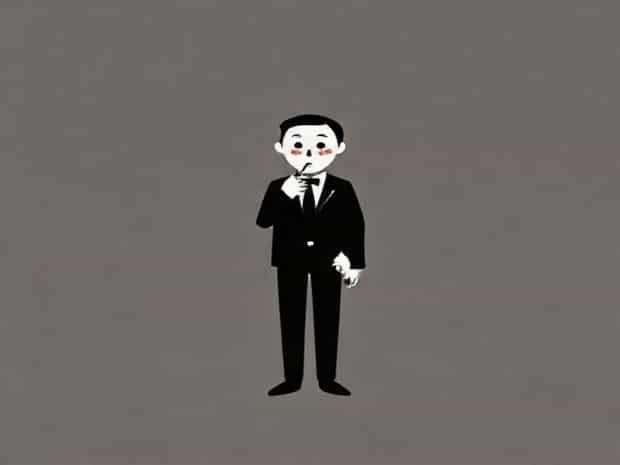
How To Do Ventriloquy
Learning how to do ventriloquy can seem like a mysterious art form, but it is actually a skill that combines practice, control, and creativity. Many people associate ventriloquism with puppets and comedy, yet the craft goes deeper than simply making a doll talk. It requires understanding how to control your voice, disguise movements, and bring a character to life. With patience and consistent training, anyone can learn the techniques behind this entertaining performance style. By exploring the fundamentals step by step, you can unlock the secrets of ventriloquy and start impressing audiences with your own unique voice illusions.
Understanding the Basics of Ventriloquy
At its core, ventriloquy is the art of creating the illusion that a voice is coming from somewhere else, often a puppet or dummy. The performer speaks without moving their lips in an obvious way, while also animating a figure to make it appear alive. This combination of sound manipulation and performance skills makes ventriloquy both a technical and theatrical art.
The Role of Illusion
Audiences know that the sound is coming from the performer, but the illusion convinces them to focus on the puppet or figure. This requires consistency and coordination. The ventriloquist must project confidence and maintain the character’s personality so that the illusion remains believable.
Training Your Voice
The voice is the most important tool for a ventriloquist. To learn how to do ventriloquy, you must develop control over pitch, tone, and pronunciation without relying on visible lip movement.
Practicing Silent Sounds
One of the biggest challenges is producing sounds that normally require lip movement, such as p, b, and m. Ventriloquists replace these with similar sounds like t, d, and n. With practice, the substitutions become natural, and the audience will still hear the intended word.
- B can be replaced with a softened d.
- P can be replaced with a soft t.
- M can be formed with n and adjusted with context.
Breath Control
Breath support is essential for sustaining long performances. Exercises such as controlled humming, extended vowel sounds, and practicing while holding air help strengthen your diaphragm. This makes your voice steady and less strained, allowing you to focus on character performance.
Developing Lip Control
A ventriloquist must minimize visible mouth movement. This doesn’t mean keeping lips completely frozen, but rather training them to move naturally without exaggeration. Practicing in front of a mirror is one of the best ways to track progress.
Exercises for Lip Stillness
Start by reciting sentences with your lips gently closed, focusing on how you can replace difficult letters. Gradually move to more complex phrases. Over time, you will learn to keep your lips steady while still producing clear and understandable speech.
Creating a Puppet Character
While some ventriloquists perform without puppets, the most recognized form involves using a dummy or figure. The puppet becomes the focus of attention, helping to sell the illusion that the voice is separate from the performer.
Designing the Character
When creating a character, think about personality, voice type, and mannerisms. A high-pitched voice might fit a mischievous puppet, while a deeper voice could suit a more serious character. Giving the puppet a backstory makes the performance more engaging and believable.
- Choose a name that matches the character’s personality.
- Experiment with different vocal ranges to find a unique sound.
- Develop consistent mannerisms like head tilts or eye movements.
Synchronizing Voice and Movement
The key to making ventriloquy convincing lies in syncing the puppet’s movements with the voice. The puppet should always appear to be reacting to the dialogue. Even when silent, it can nod, look around, or show emotion, keeping the audience focused on it.
Dialogue Practice
Practice short conversations between yourself and your puppet. Work on timing so that when the puppet speaks, the sound coincides perfectly with the movement of its mouth. The smoother this interaction becomes, the stronger the illusion will be.
Performance Techniques
Learning how to do ventriloquy is not only about technique but also about presentation. A confident stage presence can make even simple routines memorable. Focus on pacing, humor, and audience engagement to bring your performance to life.
Adding Humor and Personality
Comedy plays a big role in ventriloquism. Audiences enjoy witty exchanges between the ventriloquist and the puppet. Incorporating jokes, playful arguments, and unexpected punchlines creates entertainment value beyond the illusion itself.
Common Mistakes to Avoid
Beginners often encounter challenges when learning ventriloquy. Recognizing and correcting these mistakes early will make the learning process smoother.
- Exaggerated lip movement that breaks the illusion.
- Voices that sound too similar, making it hard to distinguish between performer and puppet.
- Poor timing that disrupts dialogue flow.
- Forgetting to give the puppet personality beyond the voice.
Exercises to Improve
Daily practice helps refine the skills needed for ventriloquy. Dedicate time to building muscle memory and confidence. Short, consistent sessions are better than long, exhausting ones.
Simple Drills
Practice reading books aloud while keeping your lips steady. Record your sessions to track improvement. Use tongue twisters with sound substitutions to challenge yourself. Over time, your clarity and control will improve significantly.
Building Confidence on Stage
Once you are comfortable with the basics, performing in front of others is the next step. Start small with family and friends, then gradually perform for larger audiences. The more you perform, the easier it becomes to manage nerves and maintain composure.
Stage Presence Tips
Maintain eye contact with your puppet rather than the audience to make the dialogue more believable. Use gestures and body language to complement the puppet’s personality. Remember that the audience wants to be entertained, so lean into humor and creativity.
Mastering how to do ventriloquy takes patience, practice, and imagination. From controlling your voice and lips to developing puppet characters with unique personalities, each step builds toward a convincing and entertaining performance. With regular training and confidence, you can learn to keep audiences captivated by the illusion of voices coming from another source. Ventriloquy is not just about technique it is about storytelling, humor, and bringing characters to life in a way that feels magical and unforgettable.