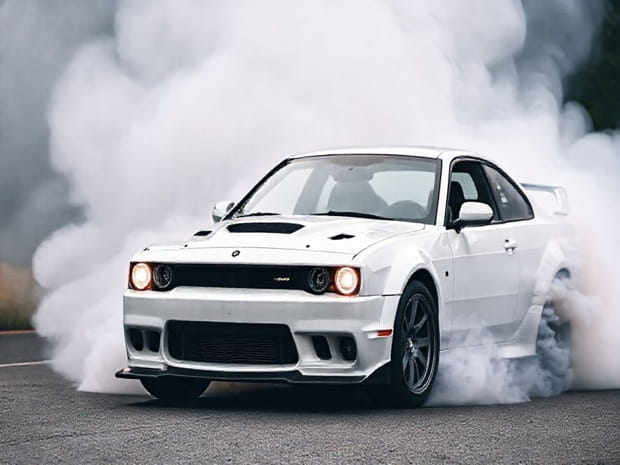
How To Do A Burnout In A Fwd Car
Car enthusiasts often find themselves fascinated by burnouts, which are both a display of automotive power and a way to feel more connected with the machine. A burnout involves spinning the tires while the car remains in place, creating heat, smoke, and an exhilarating sound. In rear-wheel-drive cars, this maneuver is relatively straightforward, but when it comes to front-wheel-drive (FWD) cars, the process requires a different technique. Performing a burnout in a FWD car can be challenging because the power is directed to the front wheels, the same ones responsible for steering. Understanding the method, risks, and precautions is essential before attempting this maneuver.
Understanding the Basics of a Burnout
A burnout occurs when the drive wheels spin rapidly while the car is held in place, usually by the brakes. This creates friction and heat, which causes the tires to smoke. In a front-wheel-drive vehicle, the front tires are both pulling the car and steering it, making control more delicate. To do a burnout in a FWD car, you need to combine throttle control, clutch or brake management, and surface selection.
Why People Perform Burnouts
- ShowmanshipBurnouts are often performed at car meets or events to demonstrate vehicle power.
- Warming TiresIn some motorsport settings, burnouts help heat the tires for better grip.
- AdrenalineMany drivers simply enjoy the sound, smoke, and sensation of tire spin.
Preparing for a Burnout
Before learning how to do a burnout in a FWD car, preparation is essential. Safety, environment, and vehicle condition must be considered to avoid unnecessary risks.
Choose the Right Location
Always select a safe and controlled environment. Empty parking lots, private property, or race tracks are ideal. Performing a burnout on public roads is unsafe and can be illegal. A flat, dry surface provides the best results.
Inspect Your Car
Burnouts put significant stress on the drivetrain, transmission, and tires. Ensure your tires have enough tread to handle heat, check your brakes, and confirm your engine and transmission are in good condition. Worn-out tires or mechanical issues could lead to damage or accidents.
Safety Precautions
- Keep a fire extinguisher nearby, as overheated tires may pose a fire risk.
- Wear seatbelts and ensure passengers are secured.
- Avoid performing burnouts near pedestrians or traffic.
- Be prepared for tire wear burnouts shorten tire life significantly.
Steps to Do a Burnout in a FWD Car
The technique may vary depending on whether your car has an automatic or manual transmission. Below are the methods for each.
For Manual Transmission
- Start by pressing the clutch and putting the car into first gear.
- Hold the brake pedal lightly with your left foot to keep the car from rolling forward.
- Slowly release the clutch while pressing the accelerator to build up engine revs.
- Once the tires break traction, balance throttle input to maintain the burnout.
- Control the car by adjusting the brake pressure and steering if necessary.
For Automatic Transmission
- Shift the gear lever into drive (D).
- Press and hold the brake pedal firmly with your left foot.
- With your right foot, press the accelerator aggressively to spin the front tires.
- Release some brake pressure slightly to allow the wheels to spin without moving the car forward too quickly.
- Maintain control by balancing throttle and brake pressure.
Techniques for Easier Burnouts
Since FWD burnouts are harder to sustain, drivers sometimes use additional methods to make them more effective
- Using WaterWetting the front tires reduces traction, making it easier to spin the wheels.
- Line Lock SystemsInstalling a line lock device allows the front brakes to hold while the rear brakes are released, making it easier to perform burnouts.
- Surface ChoiceA smoother or slightly dusty surface makes breakaway traction easier compared to sticky pavement.
Controlling the Burnout
Once the burnout has started, maintaining control is crucial. Excessive throttle can cause the car to surge forward, while too much braking may stall the engine or stop the burnout. Keep a steady balance, and be ready to release the accelerator if things get out of control. Steering must also be managed carefully, since the front tires handle both power delivery and direction.
Risks of Doing a Burnout in a FWD Car
While burnouts may seem thrilling, they carry risks. Understanding these risks helps you make an informed decision before attempting the maneuver.
- Tire DamageBurnouts drastically reduce tire life and can cause blowouts if the tires overheat.
- Transmission StressRepeated burnouts can damage the transmission and clutch, especially in manual cars.
- Brake WearUsing brakes while applying throttle creates extra strain on braking components.
- Loss of ControlPoor technique can cause the car to surge forward unexpectedly, leading to accidents.
- Legal IssuesPerforming burnouts on public roads can lead to fines, vehicle impoundment, or license suspension.
Tips for a Successful Burnout
To make your burnout smoother and more controlled, keep these tips in mind
- Rev the engine high enough to break traction, but not so high that you lose control.
- Practice throttle modulation gentle adjustments are better than sudden pedal movements.
- Do short burnouts to avoid excessive heat and wear.
- Use quality tires that can handle stress and heat better than worn-out ones.
- Stop immediately if you notice smoke from under the hood or a burning smell from brakes.
Alternatives to Traditional Burnouts
If your goal is simply to enjoy the excitement of a burnout without the risks, consider alternatives such as
- Practicing burnouts in a racing simulator or drift simulator.
- Joining motorsport events where controlled burnouts are permitted.
- Using safer surfaces like wet pavement to reduce stress on the car.
Learning how to do a burnout in a FWD car requires patience, skill, and awareness of the risks involved. Unlike rear-wheel-drive cars, where burnouts are easier, front-wheel-drive vehicles demand careful control of throttle, brakes, and steering to pull off the maneuver. Preparation, safety precautions, and an understanding of your car’s mechanics are essential for success. While burnouts can be thrilling, they should always be practiced responsibly, in safe environments, and with full awareness of the potential consequences for your car and your safety. With the right technique and mindset, you can enjoy the experience while keeping control intact.