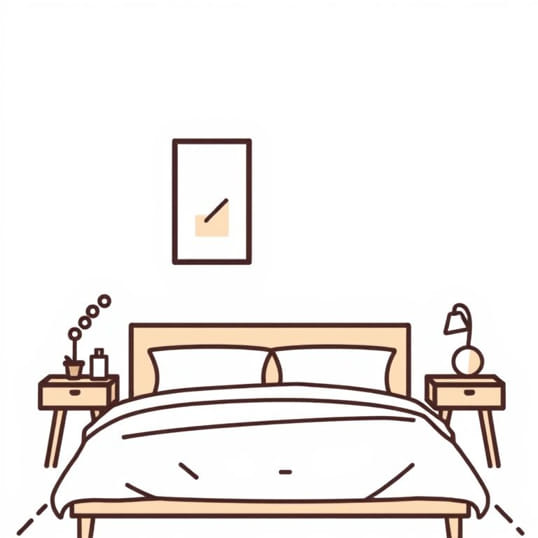
How To Decorate Your Room
Your room is more than just a place to sleep; it is a personal sanctuary that reflects your style, mood, and personality. Learning how to decorate your room gives you the freedom to create a space that is cozy, inspiring, and functional. Whether you prefer a minimalist design, a colorful atmosphere, or a modern touch, decorating your room can completely transform the way you feel in your own space. By carefully considering colors, furniture, accessories, and lighting, you can make even a simple room feel unique and inviting without overspending.
Start with a Vision
Before you begin moving furniture or buying decorations, it’s helpful to decide what kind of vibe you want for your room. Do you want it to feel calm and relaxing, bold and energetic, or elegant and stylish? Having a vision will guide your choices and prevent your design from feeling random or cluttered.
Create a Mood Board
One practical way to start is by collecting pictures, fabric samples, or even paint swatches. A mood board helps you visualize your ideas and see how colors and textures will work together. This step ensures your choices feel intentional rather than scattered.
Choosing the Right Color Palette
Color is one of the most powerful tools in interior design. When deciding how to decorate your room, the colors you choose will set the overall mood and make the space feel larger, brighter, or cozier.
- Neutral colorsWhites, grays, and beige create a clean and calming atmosphere.
- Warm colorsShades of red, orange, and yellow add energy and warmth.
- Cool colorsBlues and greens promote relaxation and balance.
- Accent colorsA bold accent wall or colorful accessories can add personality without overwhelming the room.
Furniture Arrangement
The way you place your furniture can make a big difference in how your room looks and feels. When thinking about how to decorate your room, consider not just style but also comfort and functionality.
Maximize Space
Small rooms benefit from multi-functional furniture, like a bed with storage drawers or a desk that doubles as a vanity. Try to keep pathways open so the room feels larger and less cramped.
Focus on a Focal Point
Every room benefits from a focal point, whether it’s the bed, a large window, or a piece of art. Arrange your furniture so that the eye is naturally drawn to that area, creating balance and harmony.
Lighting Matters
Lighting is often overlooked, but it is essential when learning how to decorate your room. The right lighting not only makes the space functional but also highlights design elements and sets the mood.
- Ambient lightingGeneral lighting, like ceiling fixtures, that brighten the whole room.
- Task lightingDesk lamps, bedside lamps, or reading lights for specific activities.
- Accent lightingString lights, LED strips, or small lamps that add atmosphere and charm.
Decorative Accessories
Accessories are where your personality shines through. They are often the easiest way to refresh a room without major renovations.
Textiles
Pillows, blankets, curtains, and rugs can instantly add color, pattern, and comfort. Rotating textiles seasonally is also a fun way to give your room a new look without significant expense.
Wall Decor
Empty walls can make a room feel incomplete. Consider adding framed photos, art prints, shelves, or even DIY decorations to bring life to your walls. A gallery wall can also be a creative way to display personal items.
Plants
Adding plants is one of the simplest ways to decorate your room. They improve air quality, add a natural touch, and bring freshness into the space. Even small succulents on a desk or windowsill can make a big difference.
Storage Solutions
When decorating your room, functionality is just as important as style. A cluttered room can feel chaotic, no matter how beautifully it’s decorated. Smart storage keeps things tidy while maintaining your design.
- Use under-bed storage boxes to save space.
- Install floating shelves for books and decor.
- Choose stylish baskets or bins that double as decoration.
Personal Touches
Ultimately, your room should feel likeyourspace. Adding personal items makes the room feel welcoming and authentic.
- Display souvenirs or travel memories.
- Showcase your favorite books or hobbies.
- Add a vision board, calendar, or artwork you’ve created.
Budget-Friendly Decorating Ideas
Decorating doesn’t have to be expensive. With a little creativity, you can update your room without breaking the bank.
- Repurpose old furniture with a fresh coat of paint.
- Use DIY crafts to create wall art or decorations.
- Shop second-hand for unique and affordable pieces.
- Switch out small items like pillow covers or lampshades for a quick refresh.
Seasonal Updates
If you enjoy variety, consider changing your room decor with the seasons. Lighter fabrics and bright colors work well in summer, while warm tones and cozy textures suit winter. Seasonal decor keeps your room feeling fresh and exciting year-round.
Balancing Style and Comfort
While style is important, comfort should always come first. Your room is a place to relax, sleep, and recharge, so make sure it feels inviting. Soft bedding, ergonomic furniture, and a calming atmosphere are just as essential as stylish decor.
Learning how to decorate your room is about blending creativity, functionality, and personal taste. By choosing the right colors, arranging furniture thoughtfully, adding lighting, and incorporating personal touches, you can design a room that truly reflects who you are. Remember that decorating is a process; it doesn’t have to be done all at once. Start with a vision, experiment with ideas, and gradually build a space that feels like home. Whether you prefer simplicity, elegance, or vibrant expression, your room can become a unique sanctuary that inspires and comforts you every day.