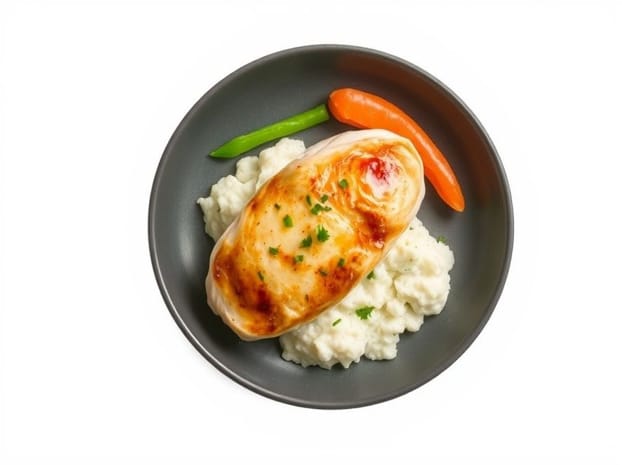
How To Cook Chicken Breast
Cooking chicken breast can be both simple and versatile, but it requires careful attention to avoid dry or bland results. Chicken breast is a lean protein that cooks quickly, making it ideal for healthy meals, meal prepping, or quick dinners. Mastering the techniques for cooking chicken breast ensures tender, juicy, and flavorful results every time. Whether you prefer baking, grilling, sautéing, or poaching, understanding the proper methods, seasoning, and cooking times is essential. This guide explores various approaches, tips, and tricks to help you cook chicken breast perfectly while keeping it moist and delicious.
Choosing the Right Chicken Breast
Selecting fresh, high-quality chicken breast is the first step to a successful dish. Look for chicken with a firm texture and a pinkish color. Avoid any chicken with a grayish tint or an unpleasant odor, as these are signs of spoilage. You can choose boneless or bone-in chicken breasts, depending on your recipe. Boneless chicken cooks faster and is ideal for stir-fries and quick recipes, while bone-in chicken provides more flavor and moisture during slow cooking.
Preparing the Chicken Breast
Proper preparation is crucial for even cooking and optimal flavor. Start by trimming any excess fat or tendons. For consistent thickness, consider pounding the chicken breast to an even layer. This prevents uneven cooking, where one part becomes dry while another part remains undercooked. You can also marinate the chicken for at least 30 minutes to enhance flavor and tenderness. Ingredients like olive oil, lemon juice, garlic, herbs, and yogurt work well as marinades, providing both moisture and taste.
Baking Chicken Breast
Baking is a convenient method that requires minimal attention and produces juicy chicken breasts. Preheat your oven to 375°F (190°C). Place the prepared chicken breasts in a baking dish and season with salt, pepper, and herbs. You can also add a drizzle of olive oil or a small amount of butter to keep the meat moist. Covering the dish with foil for the first part of baking helps trap steam and prevents drying out. Bake for 20 to 30 minutes, depending on the thickness of the chicken, and check for an internal temperature of 165°F (74°C) using a meat thermometer.
Tips for Perfect Baked Chicken
- Use a meat thermometer to avoid overcooking.
- Marinate or brine the chicken beforehand for added moisture.
- Let the chicken rest for 5 to 10 minutes after baking to allow juices to redistribute.
- Add vegetables or a light sauce to keep the chicken moist during cooking.
Grilling Chicken Breast
Grilling adds a smoky flavor and appealing grill marks to chicken breast. Preheat the grill to medium-high heat and lightly oil the grates to prevent sticking. Place the chicken breasts on the grill and cook for 6 to 8 minutes per side, depending on thickness. Flip only once to maintain juices and prevent tearing. Season the chicken before grilling or apply a glaze during the last few minutes for extra flavor. Grilled chicken breast pairs well with salads, sandwiches, or as a protein addition to main courses.
Grilling Tips
- Keep the grill covered to cook evenly and lock in moisture.
- Use indirect heat for thicker chicken breasts to avoid burning the outside while undercooking the inside.
- Rest the chicken for a few minutes after grilling to allow the juices to settle.
Sautéing Chicken Breast
Sautéing is a fast and versatile method for cooking chicken breast, ideal for weeknight meals or stir-fries. Heat a skillet over medium-high heat with a small amount of oil or butter. Place the chicken breasts in the skillet and cook for 5 to 7 minutes per side, depending on thickness. Avoid overcrowding the pan to ensure even browning. You can add aromatics like garlic, onions, or herbs to enhance flavor. Sautéed chicken can be sliced for salads, pasta dishes, or tacos.
Sautéing Tips
- Ensure the pan is hot before adding the chicken to create a nice sear.
- Do not move the chicken excessively while cooking; let it brown properly.
- Check the internal temperature to avoid undercooking or drying out the meat.
Poaching Chicken Breast
Poaching is a gentle cooking method that keeps chicken breast moist and tender. Fill a pot with water or broth and add aromatics such as garlic, herbs, or vegetables for flavor. Bring to a simmer, not a rolling boil, and add the chicken breasts. Cook gently for 15 to 20 minutes, depending on thickness, until the internal temperature reaches 165°F (74°C). Poached chicken is excellent for salads, sandwiches, and light meals.
Poaching Tips
- Keep the liquid at a low simmer to prevent the chicken from becoming tough.
- Flavor the poaching liquid with herbs, spices, or citrus for a subtle infusion.
- Use the poaching liquid as a base for sauces or soups to reduce waste.
Seasoning and Flavoring Chicken Breast
Seasoning plays a major role in enhancing the taste of chicken breast. Basic seasoning includes salt and pepper, but additional herbs and spices can elevate flavor. Common options include paprika, garlic powder, thyme, rosemary, and lemon zest. Marinades with yogurt or acidic ingredients help tenderize the meat and impart extra flavor. Brining chicken in a saltwater solution before cooking also helps retain moisture, resulting in a juicier final product.
Serving Suggestions
Chicken breast is highly versatile and pairs well with a variety of sides and sauces. Serve it with roasted vegetables, rice, quinoa, or a fresh salad for a healthy meal. You can also slice it for sandwiches, wraps, or tacos. Drizzle with pan sauce, pesto, or a light vinaigrette to add flavor without overpowering the delicate taste of the chicken. Leftover cooked chicken breast can be used in soups, pasta dishes, or grain bowls, making it an efficient choice for meal prep.
Cooking chicken breast successfully involves selecting quality meat, preparing it properly, and choosing the right cooking method. Baking, grilling, sautéing, and poaching each offer unique benefits and flavors while maintaining the chicken’s tenderness. Attention to seasoning, marinating, and resting the meat ensures juicy, flavorful results. By mastering these techniques, you can enjoy versatile meals, improve your cooking skills, and make the most of this lean, nutritious protein. With practice and attention to detail, cooking chicken breast becomes a simple, reliable way to create healthy and delicious meals for any occasion.
Ultimately, the key to perfectly cooked chicken breast is combining proper preparation, cooking methods, and flavoring. Understanding the importance of temperature, timing, and moisture allows anyone to achieve consistent results. Whether for everyday meals or special occasions, mastering chicken breast cooking opens the door to countless culinary possibilities while keeping meals healthy and satisfying.