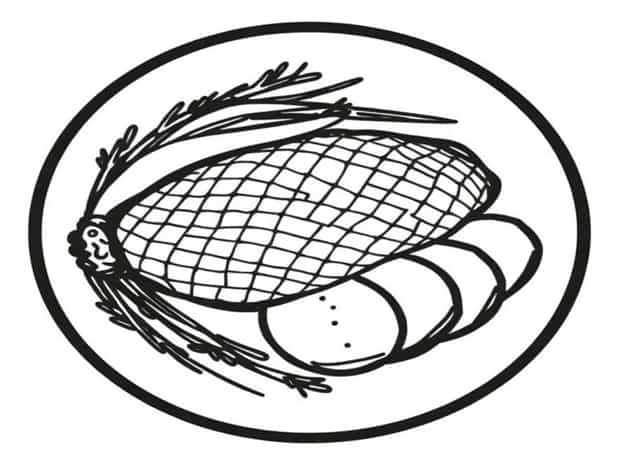
How To Cook A Netted Turkey Breast
Cooking a netted turkey breast is a wonderful way to prepare a flavorful, tender, and juicy portion of poultry without the need for a whole bird. Netted turkey breasts are wrapped in a mesh casing to hold the meat together, making them ideal for roasting evenly and producing a beautifully shaped final dish. Proper cooking techniques ensure the turkey remains moist while developing a rich, savory flavor that is perfect for family meals, holiday dinners, or casual gatherings. Learning how to cook a netted turkey breast correctly allows home cooks to impress guests and enjoy a satisfying centerpiece without the complexity of preparing a full turkey.
Choosing the Right Netted Turkey Breast
Before cooking, selecting a high-quality netted turkey breast is essential. Consider factors such as size, freshness, and source to ensure the best results. Netted turkey breasts are typically available in different weights, which can influence cooking time and seasoning requirements.
Tips for Selecting
- Choose a turkey breast that is fresh or properly thawed if previously frozen.
- Look for uniform color and minimal packaging liquid, which indicates freshness.
- Consider the size based on the number of servings needed; most netted turkey breasts weigh between 2 to 5 pounds.
- Check for any additional brining or pre-seasoning if you prefer to add your own flavors.
Preparing the Turkey Breast
Proper preparation is key to a delicious roasted netted turkey breast. This involves thawing, seasoning, and optionally brining the meat for enhanced flavor and juiciness.
Thawing and Cleaning
- If frozen, thaw the turkey breast in the refrigerator for 24-48 hours depending on size.
- Remove the netting carefully if you plan to season the turkey directly; some cooks leave it on for easier roasting.
- Rinse the turkey breast under cold water and pat dry with paper towels to remove excess moisture.
Brining (Optional)
Brining can help enhance flavor and retain moisture during roasting. A simple brine involves water, salt, sugar, and optional herbs or spices.
- Submerge the turkey breast in a solution of water, salt, and sugar for 4-8 hours in the refrigerator.
- Add herbs like rosemary, thyme, or garlic for additional aroma and taste.
- Rinse the turkey after brining and pat dry before seasoning or roasting.
Seasoning the Turkey
Even if the turkey has been pre-brined, seasoning adds depth and enhances the overall flavor.
- Rub the turkey breast with olive oil or melted butter to help crisp the skin and retain moisture.
- Apply a blend of salt, pepper, garlic powder, onion powder, paprika, or other preferred spices.
- Optionally, insert fresh herbs or citrus slices under the skin for added aroma.
Cooking Methods
Netted turkey breasts can be cooked using several methods including roasting, slow cooking, or sous vide. Roasting is the most common method and ensures a golden exterior and tender interior.
Roasting in the Oven
- Preheat the oven to 325°F (163°C) for a moderate, even cook.
- Place the turkey breast on a rack in a roasting pan to allow air circulation and even cooking.
- Insert a meat thermometer into the thickest part of the breast to monitor internal temperature.
- Roast for approximately 20 minutes per pound, but start checking earlier to prevent overcooking.
- Turkey is safe to eat once the internal temperature reaches 165°F (74°C).
Optional Slow Cooking Method
- Place the turkey breast in a slow cooker with a small amount of broth or water.
- Cook on low for 4-6 hours or until the internal temperature reaches 165°F (74°C).
- This method produces extremely tender meat but does not create a crispy exterior, which can be achieved by briefly broiling after slow cooking.
Sous Vide Method
- Seal the turkey breast in a vacuum bag with seasoning and a small amount of butter or oil.
- Cook in a water bath at 145°F-150°F (63°C-66°C) for 2-3 hours.
- After sous vide cooking, sear the turkey in a hot pan or under a broiler to develop a golden crust.
Resting and Carving
Resting the turkey breast after cooking is crucial to maintain moisture. Slicing too early can cause juices to escape, resulting in dry meat.
Resting Steps
- Remove the turkey from the oven or cooking device and cover loosely with aluminum foil.
- Allow it to rest for 10-15 minutes before carving.
- Juices will redistribute throughout the meat, enhancing flavor and tenderness.
Carving Tips
- Use a sharp carving knife to slice the turkey breast against the grain for maximum tenderness.
- Cut uniform slices to ensure even portions for serving.
- Remove the netting before or after carving depending on preference and presentation style.
Serving Suggestions
Netted turkey breast is versatile and pairs well with a variety of side dishes, sauces, and garnishes. Its mild flavor allows for creative culinary presentations.
- Serve with roasted vegetables, mashed potatoes, and cranberry sauce for a traditional meal.
- Pair with a light gravy or pan sauce made from the roasting juices.
- For a lighter option, slice thinly and add to salads, sandwiches, or wraps.
- Garnish with fresh herbs or citrus slices for an appealing presentation.
Tips for Perfect Results
- Always use a meat thermometer to prevent overcooking or undercooking.
- Do not skip the resting period to maintain juiciness.
- Adjust seasoning according to taste preferences and dietary needs.
- Consider brining for larger turkey breasts to enhance flavor and tenderness.
- Keep the cooking environment stable; avoid opening the oven frequently, which can lower temperature and extend cooking time.
Cooking a netted turkey breast successfully requires attention to preparation, seasoning, cooking time, and resting. Whether roasting in the oven, using a slow cooker, or trying the sous vide method, proper techniques ensure juicy, flavorful meat with a beautiful presentation. Careful selection of the turkey breast, optional brining, and proper seasoning elevate the dish, making it suitable for holidays, family dinners, or special occasions. By following these steps, home cooks can confidently prepare a delicious netted turkey breast that delights both in taste and appearance, ensuring a memorable meal for any gathering.