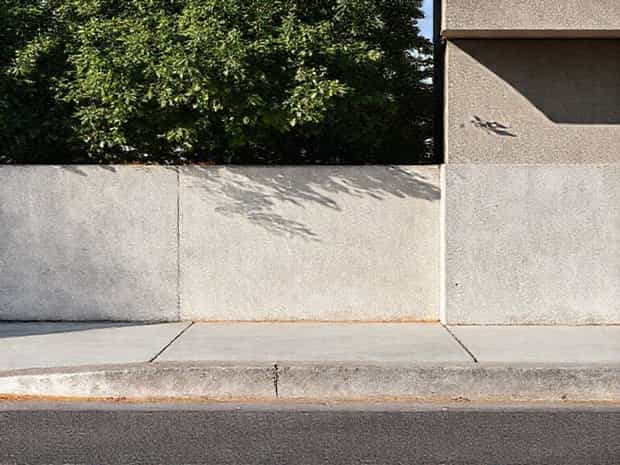
How To Concrete Curb
Concrete curbs are an essential component of roadways, sidewalks, and landscaping projects, providing both functional and aesthetic benefits. They serve to define edges, control water runoff, and protect pavement from erosion. Installing a concrete curb requires careful planning, the right materials, and proper techniques to ensure durability and a clean finish. Understanding how to concrete curb effectively is crucial for contractors, DIY enthusiasts, and municipal workers seeking long-lasting results. From preparation to finishing, every step matters when creating a sturdy, visually appealing curb that withstands time and weather.
Materials and Tools Needed
Before starting a concrete curb project, gather all necessary materials and tools. Proper preparation ensures efficiency and a high-quality result.
Materials
- Portland cement or ready-mix concrete
- Sand and gravel for mixing concrete (if not using premix)
- Water for mixing concrete
- Form boards or curb forms (wood or metal)
- Reinforcement, such as rebar or wire mesh (optional)
- Concrete curing compound or plastic sheeting
Tools
- Shovel and hoe for mixing concrete
- Wheelbarrow or concrete mixer
- Level and measuring tape
- Trowels and floats for finishing
- Concrete edger for shaping the curb edge
- Rubber mallet or hammer for securing forms
- Broom for texturing (optional)
Planning and Preparation
Proper planning is crucial for a successful concrete curb installation. Start by surveying the area where the curb will be placed. Measure and mark the boundaries clearly using stakes and string lines. Consider drainage requirements, slope, and alignment with existing pavements or landscape features. Preparing the ground is equally important. Remove any grass, rocks, or debris along the curb line. Excavate a trench deep enough to accommodate the curb height and any base material.
Base Preparation
A stable base ensures the curb remains level and prevents cracking over time. Spread a layer of compacted gravel or crushed stone at the bottom of the trench. Compact the base using a hand tamper or mechanical plate compactor. The base layer should be level and slightly sloped if necessary for drainage.
Setting the Forms
Curb forms shape the concrete and maintain alignment during pouring and curing. Forms can be made of wood or flexible metal strips depending on the curb design. Position the forms along the marked curb line, ensuring they are level and properly aligned. Use stakes and screws to secure the forms in place. Check the slope and height of the forms to match your design specifications. Proper form setup is essential for a straight, uniform curb.
Adding Reinforcement
While not always required, adding reinforcement such as rebar or wire mesh can improve the strength and durability of the curb. Place reinforcement along the trench before pouring concrete, ensuring it is slightly elevated from the base to be fully embedded within the concrete.
Mixing and Pouring Concrete
Concrete can be mixed on-site using Portland cement, sand, gravel, and water, or you can use ready-mix concrete for convenience. The mix should have a workable consistency that holds its shape but is not too wet. Pour the concrete into the forms in sections, spreading it evenly along the trench. Use a shovel or hoe to eliminate air pockets and ensure the concrete reaches all areas of the form. Consolidate the concrete with a tamper or rod to prevent voids.
Screeding and Leveling
After pouring, screed the concrete by dragging a straight board or screed along the top of the forms to level the surface. Check that the curb is aligned and maintains the correct slope. Make any adjustments immediately before the concrete begins to set.
Finishing the Curb
Finishing gives the curb its final shape and texture. Use trowels to smooth the surface and round the edges. For added safety and aesthetics, a broom finish can create a non-slip texture. Pay attention to corners and curves to ensure a consistent appearance. Concrete edges can be detailed with an edger tool for a clean, professional look.
Curing the Concrete
Proper curing is essential for strength and durability. Keep the concrete moist for at least 7 days by spraying water, covering with plastic sheeting, or applying a curing compound. Avoid heavy traffic or force on the curb until the concrete has fully set and cured. Proper curing minimizes cracking and ensures long-term performance.
Common Challenges and Solutions
- CrackingEnsure the base is stable, and avoid overwatering the mix. Use expansion joints if the curb is long.
- Uneven SurfaceCheck the level frequently during screeding and use a float for smooth finishing.
- Form ShiftingSecure forms firmly with stakes and braces to prevent movement during pouring.
- Poor DrainageIncorporate slight slopes or grading to direct water away from pavements.
Maintenance of Concrete Curbs
Once the curb is installed, minimal maintenance is required, but regular inspection helps extend its lifespan. Check for cracks, chips, or erosion along the edges. Seal any minor cracks with concrete patching materials to prevent water infiltration. Clean the curb periodically to remove dirt, moss, or debris. Properly maintained concrete curbs can last decades, contributing to both functionality and visual appeal.
Tips for Success
- Plan your project and gather materials and tools beforehand.
- Excavate and prepare a solid, level base to prevent settling.
- Secure forms carefully to ensure straight and uniform curbs.
- Mix concrete to the proper consistency for workability and strength.
- Pay attention to finishing details, including smoothing and edging.
- Cure the concrete properly to maximize durability.
Learning how to concrete curb effectively combines planning, preparation, and execution. From setting a stable base and forms to pouring, finishing, and curing, each step influences the durability and appearance of the curb. Proper technique ensures a functional and visually appealing result that enhances roadways, sidewalks, or landscaping projects. By following these guidelines, both professionals and DIY enthusiasts can achieve high-quality, long-lasting concrete curbs that withstand time, traffic, and weather while providing clear boundaries and aesthetic appeal.