How To Chop Fennel
Fennel is a versatile vegetable that adds a unique, mild anise-like flavor to a wide variety of dishes, from salads to roasted meals. Learning how to chop fennel properly can enhance both the presentation and taste of your recipes, making your meals more appealing and flavorful. Fennel consists of a crisp white bulb, feathery green fronds, and stalks, all of which can be used in cooking in different ways. Understanding how to prepare and chop each part allows you to maximize the flavor and texture it brings to your dishes. Proper chopping also ensures even cooking and a balanced distribution of flavor.
Understanding Fennel Structure
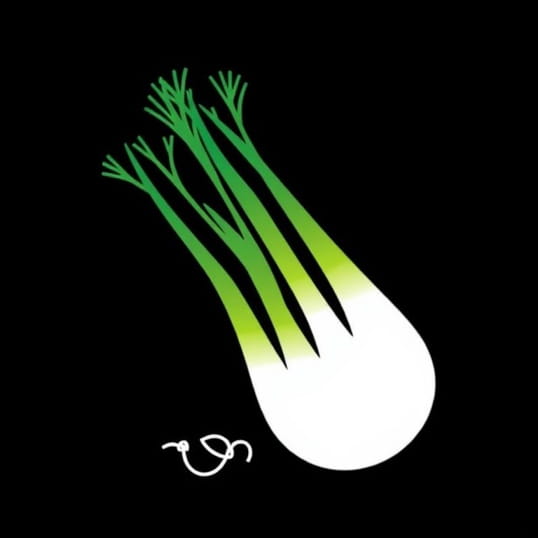
Before chopping fennel, it is helpful to understand its anatomy. The bulb is the most commonly used part and offers a crunchy texture and mild licorice flavor. The stalks are fibrous and can be added to stocks or soups for extra aroma. The feathery fronds are delicate and make an excellent garnish or seasoning. Knowing which part to use in your dish is crucial for proper chopping and preparation.
Choosing the Right Fennel
- Select bulbs that are firm, white, and free of blemishes or soft spots.
- Look for bright green fronds without wilting or yellowing.
- Smaller bulbs tend to be more tender and easier to chop.
Preparing Fennel for Chopping
Start by washing the fennel bulb thoroughly under running water to remove dirt or debris. Pat it dry with a clean towel. Remove any tough outer layers, similar to peeling onions or cabbage. Next, cut off the stalks just above the bulb. You can save the stalks for making stocks or soups. Trim the base slightly if it appears dry or hard. Finally, remove the fronds from the bulb and set them aside for garnishing or flavoring later. This preparation ensures that the bulb is clean, tender, and ready for precise chopping.
Safety Tips for Preparation
- Use a sharp chef’s knife for clean cuts and to reduce the risk of slipping.
- Work on a stable cutting board to avoid accidents.
- Keep fingers tucked inward when holding the bulb to prevent cuts.
Basic Chopping Techniques
Once the fennel is prepped, you can begin chopping. Start by slicing the bulb in half lengthwise from top to bottom. If the core is very tough, you may choose to remove it by cutting a small V-shape from the center of each half. Place the halves flat side down on the cutting board to stabilize them. Then, slice them into thin strips for a julienne effect, dice them into small cubes, or cut them into wedges depending on your recipe’s requirements. The thickness of your slices or cubes affects both cooking time and texture, so adjust according to your dish.
Julienne Fennel
- Cut the bulb in half and remove the core if necessary.
- Slice each half lengthwise into thin strips about 1/8 to 1/4 inch wide.
- Use the strips in salads, stir-fries, or as a crunchy garnish.
Diced Fennel
- Slice the bulb into thin planks lengthwise.
- Stack the planks and cut crosswise into small cubes.
- Perfect for soups, stews, or roasted dishes.
Wedges
- Cut the bulb into halves or quarters depending on size.
- Slice each section lengthwise into wedge shapes.
- Great for roasting or braising to preserve texture and flavor.
Using Fennel Fronds and Stalks
While the bulb is the star of most dishes, the fronds and stalks add aroma and flavor in different ways. Finely chop the fronds and sprinkle them over salads, roasted vegetables, or fish dishes as a garnish. The stalks, which are more fibrous, can be used to flavor stocks, soups, or sauces. By using all parts of the fennel, you reduce waste and enhance the depth of flavor in your cooking.
Chopping Tips for Fronds and Stalks
- Bundle the fronds and chop finely for a delicate garnish.
- Use stalks in larger pieces when making stock, then strain before serving.
- Combine finely chopped fronds with lemon or olive oil for a simple herb dressing.
Cooking Considerations
The way you chop fennel influences how it cooks. Thinly sliced or julienned fennel cooks quickly and retains a tender-crisp texture, suitable for stir-fries or raw salads. Cubed or wedged fennel is ideal for roasting or braising, as it holds its shape and absorbs flavors from oils, herbs, and seasonings. Understanding these cooking dynamics helps ensure that your fennel is both flavorful and visually appealing.
Tips for Enhancing Flavor
- Toss chopped fennel with olive oil, salt, and pepper before roasting.
- Add fennel early in soups or stews to allow its natural sweetness to develop.
- Combine fennel with citrus or fresh herbs for a refreshing salad element.
Storing Chopped Fennel
If you are not using fennel immediately, proper storage helps maintain freshness and flavor. Place chopped fennel in an airtight container and store it in the refrigerator for up to three days. Fennel can also be blanched briefly and frozen for longer storage, though the texture may become slightly softer upon thawing. Storing fennel correctly ensures that it remains crisp, aromatic, and ready to use in your next meal.
Storage Tips
- Keep the bulb and fronds separate for longer freshness.
- Wrap the bulb tightly in plastic wrap or store in a sealed container.
- Use frozen fennel in cooked dishes rather than raw salads for best texture.
Chopping fennel correctly is essential to unlock its full culinary potential. From understanding the structure of the bulb, stalks, and fronds to using precise chopping techniques, each step enhances the flavor, texture, and visual appeal of your dishes. By choosing fresh fennel, preparing it safely, and using appropriate chopping methods, you can incorporate this aromatic vegetable into a variety of recipes. Whether you prefer julienned strips for salads, diced cubes for soups, or wedges for roasting, mastering the art of chopping fennel elevates your cooking and allows you to enjoy its unique taste in every meal.