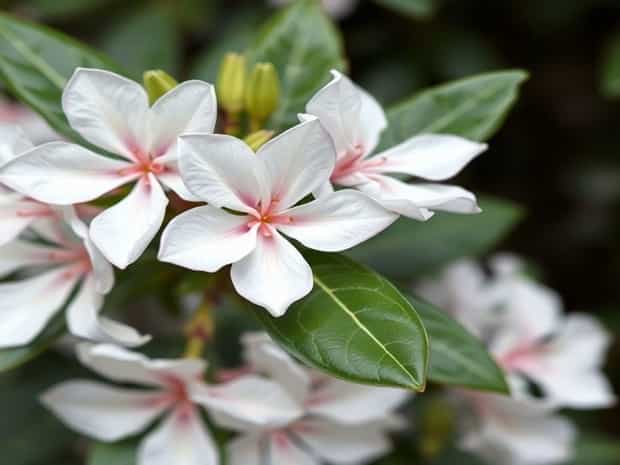
How To Care For Oleander
Oleander is a striking and versatile plant known for its vibrant flowers and hardy nature, making it a popular choice for gardens, landscapes, and even container planting. Native to the Mediterranean region, oleanders thrive in warm climates and can tolerate a range of soil conditions, making them suitable for many outdoor spaces. However, while oleander is relatively low-maintenance, proper care is essential to ensure healthy growth, abundant flowering, and long-term survival. Understanding how to care for oleander involves attention to watering, sunlight, pruning, soil conditions, fertilization, and pest management, all of which contribute to a beautiful and thriving plant.
Choosing the Right Location
Oleanders flourish in areas with full sunlight, making them ideal for gardens, borders, and patios that receive at least six hours of direct sunlight daily. When selecting a planting site, ensure there is adequate space for the plant to grow, as oleanders can reach heights of 6 to 20 feet depending on the variety. Adequate air circulation is also important to prevent fungal diseases. If planting near walkways or play areas, consider the plant’s toxicity, as all parts of oleander are poisonous if ingested.
Sunlight Requirements
Full sun exposure promotes strong stems, healthy foliage, and vibrant blooms. While oleanders can tolerate partial shade, they may produce fewer flowers and exhibit slower growth. Positioning your plant in an area with ample sunlight is one of the most important steps in successful oleander care.
Soil and Planting
Oleanders are adaptable to a variety of soil types, but they thrive in well-draining soil with a slightly acidic to neutral pH. Sandy or loamy soils are ideal, and adding organic matter can improve soil fertility and moisture retention. When planting oleander in a container, use a high-quality potting mix that provides drainage and aeration. Avoid waterlogged conditions, as excess moisture can lead to root rot and other diseases.
Planting Tips
- Dig a hole twice as wide and slightly deeper than the root ball to allow proper root expansion.
- Position the plant at the same depth it was growing in its nursery container.
- Backfill with soil and lightly tamp to remove air pockets, then water thoroughly.
- Mulch around the base to retain moisture and regulate soil temperature.
Watering and Moisture Management
While oleanders are drought-tolerant once established, consistent watering during the first year is crucial for root development. Young plants require regular watering to encourage deep root growth. Mature plants can tolerate dry conditions but will benefit from supplemental watering during prolonged dry spells, especially in hot climates. Avoid overwatering, as soggy soil can lead to root rot and other fungal issues.
Watering Schedule
- Newly planted oleanders Water deeply 2-3 times per week.
- Mature oleanders Water once a week during dry periods, less frequently in cooler months.
- Container plants Monitor soil moisture regularly and adjust watering accordingly.
Pruning and Maintenance
Pruning oleanders promotes healthy growth, improves air circulation, and encourages more abundant flowering. Regular trimming helps maintain the desired shape and size while removing dead or damaged branches. Pruning is best performed after the flowering season to avoid cutting off new blooms. Safety precautions are important during pruning, as oleander sap is toxic and can cause skin irritation. Always wear gloves and wash hands thoroughly after handling the plant.
Pruning Guidelines
- Remove dead, damaged, or diseased branches to maintain plant health.
- Thin out crowded areas to improve air circulation.
- Trim back overgrown stems to shape the plant, but avoid cutting into old wood excessively.
- Dispose of pruned material carefully, keeping it away from pets and children.
Fertilization and Nutrient Needs
Oleanders benefit from periodic fertilization to support vigorous growth and abundant blooms. Use a balanced fertilizer with equal parts nitrogen, phosphorus, and potassium, or a bloom-boosting formula to enhance flower production. Fertilize in early spring as new growth begins and continue every 6-8 weeks during the growing season. Avoid over-fertilizing, as excessive nutrients can lead to lush foliage with fewer flowers.
Pest and Disease Management
Although oleanders are generally resilient, they can be susceptible to pests such as aphids, scale insects, and spider mites. Regularly inspect plants for signs of infestation, including yellowing leaves, sticky residue, or visible insects. Treat minor infestations with insecticidal soap or horticultural oil. In addition, oleanders can be affected by fungal diseases such as leaf spot or powdery mildew. Proper spacing, pruning, and watering practices help reduce the risk of disease. Promptly remove and dispose of infected plant material to prevent spread.
Common Pests and Remedies
- Aphids Spray with insecticidal soap or introduce beneficial insects like ladybugs.
- Scale Apply horticultural oil to smother adult insects and nymphs.
- Spider Mites Increase humidity and use miticides if necessary.
Fungal Disease Prevention
Keep foliage dry when watering and ensure adequate spacing between plants for airflow. Remove fallen leaves and dead branches promptly. If fungal infections occur, treat with appropriate fungicides and follow label instructions carefully.
Winter Care and Protection
In regions with colder winters, oleanders may require protection from frost. Mulching around the base helps insulate roots, and covering plants with frost cloth or blankets can prevent damage. Container-grown oleanders can be moved indoors or to a sheltered location to protect them from freezing temperatures. Prune lightly before winter to reduce exposure of vulnerable branches.
Propagation and Growth
Oleanders can be propagated through stem cuttings, which root easily in soil or water. Take semi-hardwood cuttings in late spring or early summer, remove lower leaves, and plant them in well-draining media. Keep cuttings moist and in indirect sunlight until roots develop. With proper care, these cuttings can grow into full-sized plants within a few seasons, providing an economical way to expand your garden or share plants with others.
Caring for oleander involves a balance of sunlight, soil management, watering, pruning, fertilization, and pest control. By understanding the specific needs of this hardy plant, gardeners can ensure healthy growth, vibrant blooms, and long-lasting beauty. Attention to detail, such as proper spacing, seasonal pruning, and monitoring for pests, enhances the overall health of the plant. With consistent care, oleanders can thrive in a wide range of environments, making them a reliable and attractive addition to gardens, patios, and landscapes. Remember to handle oleanders with caution due to their toxicity, and enjoy the stunning floral display these resilient plants provide throughout the growing season.
By following these guidelines, you can maintain oleanders that are not only visually appealing but also strong and healthy. Proper care ensures that your plants reach their full potential, providing long-lasting enjoyment and enhancing the aesthetic value of your garden or outdoor space. Whether you are a beginner or an experienced gardener, understanding how to care for oleander allows you to maximize the beauty and longevity of this remarkable plant.