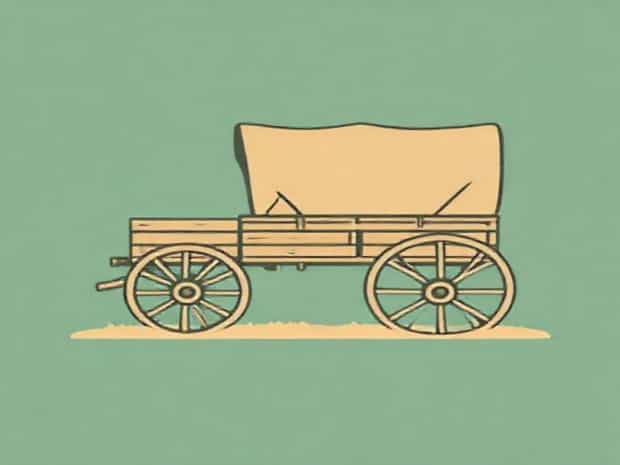
How To Build A Buckboard Wagon
Building a buckboard wagon is a rewarding project that combines traditional craftsmanship with practical utility. A buckboard wagon, known for its simple yet sturdy design, has a flat wooden bed mounted on a flexible frame with four wheels, typically used for transporting goods or people. Creating one from scratch allows you to appreciate historical wagon-making techniques while customizing it for modern use. The process involves selecting the right materials, understanding the structural components, and carefully assembling each part to ensure safety, durability, and functionality. Attention to detail and proper planning are essential for a successful build, whether for display, farm use, or hobby purposes.
Materials Needed
Before beginning construction, it is crucial to gather all the necessary materials. The quality and type of wood will largely determine the wagon’s strength and longevity. Hardwoods such as oak, hickory, or maple are commonly used for the frame and bed because they resist bending and cracking under weight. Softwoods may be suitable for non-load-bearing components, but care must be taken to avoid warping. Additionally, metal components like steel rods, bolts, and brackets are used to reinforce joints and attach the wheels securely. Other supplies include sandpaper, wood glue, varnish or paint, and basic woodworking tools such as saws, drills, hammers, and clamps.
Key Components of a Buckboard Wagon
Understanding the structure of a buckboard wagon is essential before starting construction. The main parts include
- ChassisThe main frame supporting the wagon bed. It must be rigid yet flexible enough to absorb shocks from uneven terrain.
- BedA flat surface where cargo or passengers are placed. Typically made of wide wooden planks joined together.
- AxlesTwo horizontal rods that connect the wheels. The front axle often pivots for steering.
- WheelsWooden wheels with metal rims or modern alternatives for durability. Proper alignment is crucial for smooth movement.
- Springs or Flexible SupportsTraditional buckboards used a flexible board beneath the bed to absorb shocks, eliminating the need for complex suspension systems.
Step-by-Step Construction
1. Building the Frame
Start by cutting the hardwood pieces for the chassis. The frame typically consists of two parallel side rails connected by crosspieces. Ensure precise measurements and use wood glue and screws or bolts to secure the joints. The frame must be level and square, as this will affect the alignment of the axles and wheels. Adding brackets or metal reinforcements at stress points increases stability, particularly at the corners and where the axles will attach.
2. Preparing the Bed
The wagon bed is usually made of several wide planks joined together. Cut the planks to the desired length and width, then sand them to a smooth finish. To attach the bed to the frame, position it so that weight is evenly distributed across the chassis. Use bolts or screws to secure the planks to the side rails, making sure there is slight flexibility to allow for movement over uneven surfaces. Applying a protective finish such as varnish or outdoor paint helps prevent damage from moisture and wear.
3. Assembling the Axles and Wheels
The axles are critical for stability and smooth movement. Cut the axle rods to the correct length, ensuring they extend slightly beyond the width of the wagon to accommodate the wheels. Attach the wheels securely using bolts, ensuring they rotate freely without wobbling. The front axle should be designed to pivot for steering; this can be achieved using a simple pivot bracket or kingpin mechanism. Traditional wooden wheels may require metal bands around the rim for durability, while modern replacements can simplify this step.
4. Adding the Suspension
A traditional buckboard wagon does not use complex springs but relies on a flexible wooden board beneath the bed to absorb shocks. Select a board with enough flexibility to bend slightly under weight without breaking. Attach it to the chassis with bolts or brackets at each end, ensuring it supports the bed evenly. This system allows the wagon to travel over rough terrain while maintaining a smooth ride for cargo or passengers.
5. Finishing Touches
Once the main structure is assembled, inspect the wagon for any rough edges, uneven joints, or misaligned components. Sand down rough spots and tighten any loose bolts. Adding side rails or small barriers can prevent cargo from sliding off during transport. If desired, paint or stain the wagon to enhance its appearance and protect the wood. Ensure all moving parts, such as wheels and pivot points, are lubricated to reduce friction and prolong the life of the wagon.
Tips for Successful Construction
- Plan CarefullyDraw a detailed blueprint before cutting any wood to avoid errors and material waste.
- Measure Twice, Cut OncePrecision is crucial for a stable and functional wagon.
- Choose Durable MaterialsInvest in quality hardwood and metal components for longevity.
- Check AlignmentRegularly verify that the frame, axles, and wheels are square and level.
- Prioritize SafetyEnsure all bolts, screws, and joints are secure, particularly if the wagon will carry passengers.
Uses for a Buckboard Wagon
Once completed, a buckboard wagon can serve multiple purposes. It can be a functional farm wagon for transporting hay, firewood, or other materials. It can also serve as a decorative or historical piece, suitable for parades, reenactments, or display in a garden. Hobbyists may enjoy using it for recreational purposes, such as giving rides in a backyard or participating in wagon shows. Regardless of its intended use, following proper construction techniques ensures a safe and durable wagon.
Building a buckboard wagon is a fulfilling project that combines craftsmanship, historical appreciation, and practical functionality. By carefully selecting materials, understanding the structural components, and following a systematic construction process, anyone can create a sturdy and attractive wagon. Paying attention to details such as axle alignment, flexible support for the bed, and secure joints ensures the wagon is both safe and reliable. Whether for practical transport, hobby use, or decorative purposes, a homemade buckboard wagon showcases skill, creativity, and an understanding of traditional wagon-making techniques. With patience and dedication, the finished wagon will provide years of enjoyment and serve as a testament to hands-on craftsmanship.