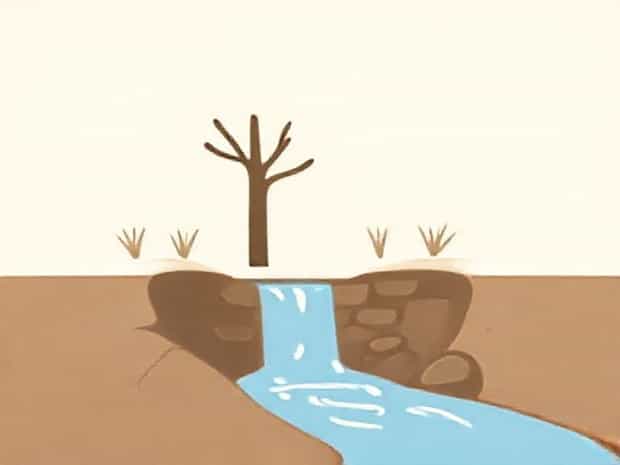
How To Build A Berm To Divert Water
Diverting water effectively is a crucial part of landscape management, erosion control, and flood prevention. One practical method is to build a berm, which is essentially a raised barrier of soil designed to redirect the flow of water away from vulnerable areas such as gardens, buildings, or pathways. Constructing a berm requires careful planning, knowledge of soil dynamics, and an understanding of water flow patterns. When built correctly, a berm can protect property, reduce erosion, and improve drainage while blending naturally into the surrounding landscape.
Understanding Berms and Their Purpose
A berm is a linear mound of soil, stone, or other natural material that serves to channel or redirect water. Berms are often used in combination with swales, ditches, or landscaping features to manage stormwater and prevent flooding. They are particularly effective in sloped areas, gardens, or around structures where water tends to pool. The key purpose of a berm is to create a barrier that directs water along a desired path, preventing it from causing damage or erosion.
Types of Berms
There are several types of berms, depending on their design and intended use
- Soil BermsConstructed from compacted soil, these are the most common type used in residential landscapes.
- Stone or Rock BermsMade from rocks or boulders, these provide durability and can withstand heavy water flow.
- Vegetated BermsIncorporate grass, shrubs, or other plants to stabilize soil and enhance aesthetic appeal while reducing erosion.
Planning Your Berm
Before starting construction, it is essential to plan the berm’s location, size, and slope. This involves assessing the natural flow of water and identifying areas prone to pooling or erosion. Consider the following steps during planning
- Observe water patterns during rainfall to determine the direction and volume of flow.
- Mark the berm’s path using stakes, string, or spray paint to outline the barrier.
- Measure the area to estimate the amount of soil or material needed for construction.
- Determine the desired height and width of the berm, usually between 1 and 3 feet high and 2 to 4 feet wide, depending on water volume.
Proper planning ensures the berm effectively diverts water and remains stable under various conditions.
Materials Needed
Building a berm requires basic materials and tools. Commonly used items include
- Topsoil, clay, or a mixture of soil types for compaction
- Stones or rocks for additional stability
- Shovels, rakes, and wheelbarrows for moving and shaping soil
- Mulch, grass seed, or erosion control mats for vegetated berms
- Water hose or string for leveling and shaping the mound
Step-by-Step Construction
Constructing a berm involves a series of steps to ensure proper shape, stability, and functionality. Follow these steps for effective water diversion
1. Excavation and Preparation
Clear the area where the berm will be built. Remove grass, rocks, or debris, and level the ground slightly to provide a stable base. For large berms, it may be necessary to excavate a shallow trench along the intended path to anchor the berm and prevent water from flowing underneath.
2. Soil Placement
Begin placing soil along the marked line, forming a continuous mound. Use a mix of clay and topsoil to improve compaction and stability. Layering soil in increments of 6 to 12 inches helps create a stronger structure. Compact each layer using hand tampers, heavy boards, or mechanical compactors to reduce settling over time.
3. Shaping the Berm
Shape the berm with a gentle slope on both sides to prevent erosion. The side facing water flow should be slightly steeper to deflect water effectively, while the opposite side should taper gradually. A slope of 21 (horizontal to vertical) is typically recommended for soil berms. Smooth the surface using rakes and level it periodically to maintain uniformity.
4. Stabilization
Stabilize the berm to prevent erosion and maintain its effectiveness. Techniques include
- Planting grass or ground cover to hold soil in place
- Laying mulch or erosion control mats on exposed soil
- Adding rocks or gravel to areas with heavy water flow
- Constructing small drainage channels along the berm to manage runoff
Vegetation is particularly effective for long-term stability, as roots help bind soil and reduce erosion caused by rain or surface water.
5. Maintenance
Regular maintenance is essential to ensure the berm continues to divert water effectively. Inspect the berm after heavy rain for signs of erosion, settling, or breaches. Repair any damage by adding more soil, re-compacting, or replacing vegetation as needed. Clearing debris and checking for blockages in drainage channels will help maintain optimal function.
Additional Considerations
Several factors can influence the success of a berm in diverting water. Consider the following
- Local soil type Sandy soils may require more compaction or additional stabilization measures compared to clay-rich soils.
- Water volume High volumes of runoff may necessitate larger berms or additional drainage features such as swales or culverts.
- Surrounding landscape Ensure that diverted water does not cause problems for neighboring properties or create unintended flooding in other areas.
- Regulatory requirements Some regions may have guidelines or permits for altering water flow, especially near wetlands or public waterways.
Building a berm to divert water is an effective way to manage runoff, prevent erosion, and protect valuable areas of your property. By understanding the purpose of a berm, planning its location, using suitable materials, and following proper construction techniques, homeowners and landscapers can create functional and aesthetically pleasing water diversion structures. Regular maintenance and monitoring will ensure the berm remains effective for years to come, while vegetated and stabilized designs enhance environmental benefits and integrate seamlessly with the surrounding landscape. Whether for garden protection, flood control, or landscape design, berms are a practical and versatile solution for managing water flow.