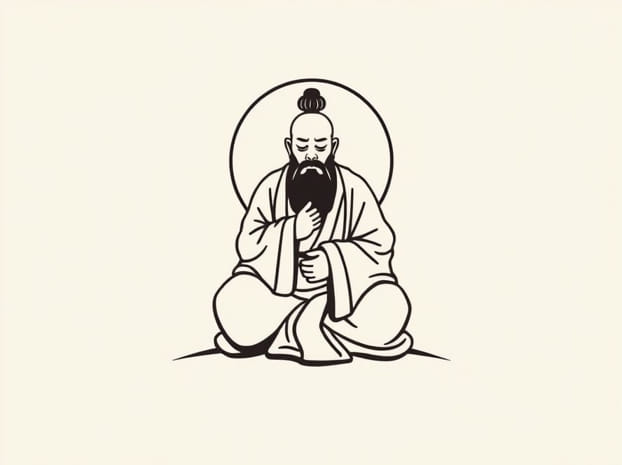
How To Be Like Bodhidharma
Becoming like Bodhidharma, the legendary Buddhist monk credited with bringing Zen Buddhism to China and inspiring Shaolin martial arts, requires more than imitation; it involves embracing a mindset of discipline, meditation, self-awareness, and resilience. Bodhidharma’s life, though shrouded in legend, teaches lessons about simplicity, inner strength, and the pursuit of enlightenment. Adopting his principles can transform your approach to daily life, personal growth, and spiritual practice. By understanding his philosophy, practices, and discipline, anyone can cultivate qualities that reflect the wisdom and determination Bodhidharma embodied.
Understanding Bodhidharma
Bodhidharma was an Indian monk who traveled to China around the 5th or 6th century, introducing the principles of Zen Buddhism. He emphasized meditation, self-discipline, and the direct experience of enlightenment rather than reliance on ritual or scripture alone. His teachings encouraged a balance between physical training and mental cultivation, influencing both spiritual practices and martial arts. To be like Bodhidharma, it is essential to understand the core of his philosophy, which centers on awareness, discipline, and the pursuit of truth.
Practice Meditation Regularly
Meditation is the cornerstone of Bodhidharma’s teachings. He advocated for zazen, or seated meditation, as a way to develop awareness, inner peace, and insight. To emulate Bodhidharma, set aside time daily to meditate in a quiet space. Focus on your breath, observe your thoughts without attachment, and cultivate mindfulness. Regular meditation enhances self-awareness and helps develop clarity in decision-making, emotional balance, and spiritual understanding.
Embrace Discipline and Simplicity
Discipline was a defining trait of Bodhidharma. He is often depicted as austere, focusing on the essentials of life and avoiding unnecessary distractions. To follow his example, create routines that promote consistency, whether in study, work, exercise, or spiritual practice. Simplify your environment, reduce reliance on material possessions, and prioritize activities that contribute to personal growth. Discipline in daily habits fosters resilience and strengthens the mind against challenges.
Develop Physical and Mental Strength
Bodhidharma is also associated with the physical training of Shaolin monks. While the historical accuracy of this is debated, the principle remains relevant physical training enhances mental fortitude. Incorporate regular exercise, stretching, or martial arts into your routine to cultivate body awareness and endurance. Physical challenges build patience, perseverance, and the ability to face adversity qualities essential to embodying Bodhidharma’s spirit.
Seek Knowledge and Self-Understanding
Bodhidharma valued introspection and the pursuit of truth over superficial learning. To be like him, dedicate time to study philosophical texts, reflect on your experiences, and question assumptions. Journaling, reading spiritual writings, or engaging in thoughtful dialogue helps deepen understanding of yourself and the world around you. True wisdom comes from both knowledge and direct experience, integrating learning into daily life with insight and humility.
Practice Detachment and Non-Attachment
One of the key aspects of Bodhidharma’s teaching is non-attachment. This does not mean indifference but the ability to maintain inner peace regardless of external circumstances. Practice letting go of unnecessary desires, rigid expectations, and emotional dependency. Cultivate acceptance of change, understanding that life is impermanent. Non-attachment fosters resilience, mental clarity, and the capacity to act with compassion rather than react with fear or greed.
Live with Purpose and Intention
Bodhidharma’s life exemplified living intentionally. Every action, thought, and choice reflected a commitment to spiritual growth and discipline. To emulate him, clarify your values and goals, and align your daily activities with them. Approach life with mindfulness and purpose, focusing on actions that contribute to your well-being, the welfare of others, and the cultivation of wisdom. Intentional living minimizes distraction and strengthens focus on meaningful pursuits.
Maintain Resilience and Patience
Legend tells of Bodhidharma meditating for nine years facing a wall, demonstrating extraordinary patience and resilience. While not everyone can undertake such extreme practices, the principle is applicable in everyday life. Embrace challenges as opportunities for growth, remain committed to your path despite setbacks, and cultivate patience in achieving long-term goals. Resilience develops mental strength, perseverance, and the ability to remain centered in the face of adversity.
Integrate Compassion and Humility
While discipline and strength are important, Bodhidharma also embodied humility and compassion. Being like him involves treating others with respect, offering guidance without arrogance, and serving the community when possible. Humility allows for continuous learning, and compassion enhances emotional intelligence and the ability to connect with others authentically. Balance self-discipline with empathy to develop a well-rounded character aligned with Bodhidharma’s principles.
Practical Steps to Apply Bodhidharma’s Teachings
Adopting Bodhidharma’s approach involves integrating both mindset and practice into daily life. Practical steps include
- Set aside daily time for meditation, even if only a few minutes, to build mindfulness.
- Create a structured daily routine emphasizing discipline, study, and reflection.
- Engage in physical exercise or martial arts to strengthen body and mind.
- Reflect on personal goals and values, and align actions with purposeful living.
- Practice non-attachment by letting go of unnecessary material or emotional burdens.
- Develop resilience through facing challenges calmly and patiently.
- Cultivate humility and compassion in interactions with others.
Integrating Meditation and Movement
Bodhidharma’s teachings often emphasize the connection between mind and body. Practices like mindful walking, yoga, or martial arts complement seated meditation by keeping energy balanced and awareness sharp. Movement reinforces discipline, focus, and the integration of spiritual principles into physical life. Combining meditation with intentional movement cultivates a holistic approach to personal growth.
To be like Bodhidharma is to embrace a life of discipline, meditation, simplicity, and resilience. It involves cultivating physical and mental strength, practicing non-attachment, living intentionally, and integrating compassion and humility into everyday actions. By adopting these principles, you can develop the mindset, habits, and character traits associated with Bodhidharma, enhancing personal growth, spiritual awareness, and overall well-being. Following his example does not require extreme isolation or asceticism, but a commitment to mindful, intentional living in all areas of life.
Through regular meditation, disciplined routines, physical training, self-reflection, and compassionate action, anyone can begin to embody the qualities of Bodhidharma. The journey is ongoing and requires patience, resilience, and consistent effort. By integrating these principles, you create a life rooted in mindfulness, purpose, and wisdom, reflecting the enduring legacy of Bodhidharma’s teachings.