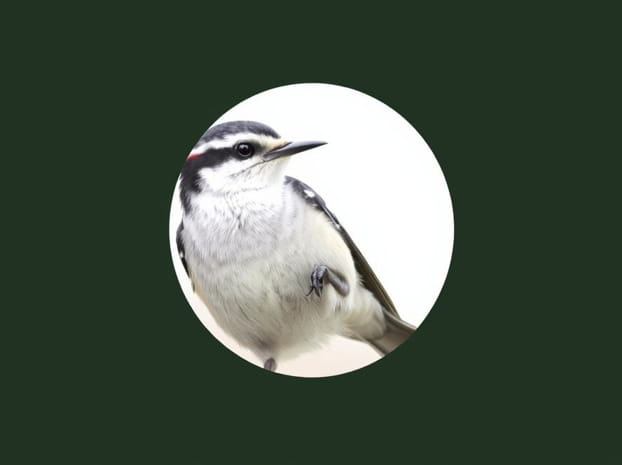
How To Attract White Breasted Nuthatch
The white-breasted nuthatch is a charming little bird often recognized by its black cap, white face, and its habit of creeping headfirst down tree trunks. Bird enthusiasts and backyard nature lovers often look for ways to attract this species, as its unique behaviors and cheerful calls add life to gardens and wooded areas. Attracting the white-breasted nuthatch requires understanding its natural preferences, from food and shelter to the type of environment it feels safe in. With the right strategies, you can create a welcoming space that brings these energetic birds closer to your home.
Understanding the White-Breasted Nuthatch
Before creating a habitat, it helps to know more about the bird you are trying to attract. The white-breasted nuthatch is a non-migratory bird that prefers mature forests, woodlots, and suburban areas with plenty of trees. They are cavity nesters, relying on old woodpecker holes or natural tree cavities to raise their young. Their diet is diverse, consisting of seeds, insects, and nuts. Because they are year-round residents in many parts of North America, providing resources for them ensures that they may return season after season.
Providing the Right Food
Food is the most effective way to attract a white-breasted nuthatch to your yard. These birds are especially fond of certain types of seeds and nuts. By offering their favorites, you create a reliable feeding station that encourages repeat visits.
Best Food Choices
- Black oil sunflower seedsHighly nutritious and easy for nuthatches to crack open.
- PeanutsEither shelled or unshelled, peanuts are a favorite for their high energy content.
- SuetEspecially useful in winter, suet provides much-needed fat and energy.
- MealwormsOffering dried or live mealworms gives protein, mimicking their insect diet.
Feeder Types
White-breasted nuthatches prefer feeders that allow them to perch comfortably or cling, similar to how they feed in the wild. Tube feeders with perches, suet cages, and platform feeders work best. They will often take seeds and fly off to hide them in tree bark for later consumption, so don’t be surprised if you see them darting back and forth.
Creating a Bird-Friendly Habitat
While feeders attract birds temporarily, creating a natural habitat will ensure nuthatches visit regularly. Habitat is critical for their nesting, roosting, and foraging activities.
Trees They Love
- Oak treesProvide acorns and shelter.
- Maple and hickoryProduce seeds and attract insects.
- Pine treesOffer pine seeds and protective cover.
If you already have mature trees on your property, you have an advantage. If not, planting native species over time can create an environment that supports not only nuthatches but also many other birds.
Nesting Opportunities
White-breasted nuthatches are cavity nesters and will not build their own holes in live trees. They depend on existing cavities or artificial nest boxes. Providing nesting options increases the chances of them raising young nearby.
Tips for Nest Boxes
- Use untreated wood to keep the box safe for birds.
- Entrance hole size should be about 1.25 inches in diameter.
- Place the box 5 to 20 feet above the ground, ideally on a tree trunk.
- Ensure the box faces away from prevailing winds to protect it from rain.
Cleaning nest boxes after the breeding season encourages reuse. Also, consider leaving some dead trees or snags if they are not a safety hazard, as nuthatches naturally use them for nesting.
Water Sources
Like all birds, white-breasted nuthatches need water for drinking and bathing. A simple birdbath can go a long way in attracting them. Shallow water with a rough surface makes it easy for them to perch safely. In colder months, a heated birdbath prevents water from freezing, ensuring year-round access.
Seasonal Considerations
Attracting nuthatches requires attention to seasonal changes. In spring and summer, insects become a primary food source. Keeping a natural yard with minimal pesticide use ensures plenty of insect life for foraging. In fall and winter, seeds, nuts, and suet become critical. Adjusting your feeding and habitat offerings with the seasons makes your yard more attractive throughout the year.
Safety and Protection
Creating a safe environment is just as important as providing food and shelter. Cats are a major threat to backyard birds, so keep feeders and nest boxes away from areas where cats can climb. Using baffles on poles can deter squirrels and other predators from raiding feeders and nest boxes. Ensuring that your yard is free from harmful chemicals also protects birds and their insect food sources.
Observing Their Behavior
Once you’ve succeeded in attracting a white-breasted nuthatch, observing them can be rewarding. Watch how they move headfirst down tree trunks, a behavior unique among most birds. Notice how they take seeds, wedge them into bark crevices, and hammer them open. Observing their calls, often a nasal yank-yank sound, helps you recognize their presence even when they’re not in sight.
Additional Plants to Consider
In addition to large trees, certain shrubs and smaller plants can support nuthatches by attracting insects and providing shelter.
- ServiceberryProduces berries that attract insects and provide cover.
- ElderberryAnother plant that supports insect life and fruit for birds.
- Native grassesCreate a habitat for insects that nuthatches may forage on.
Why Attracting White-Breasted Nuthatches Matters
Encouraging these birds into your yard is not only enjoyable but also beneficial to the ecosystem. White-breasted nuthatches help control insect populations by foraging for beetles, caterpillars, and other pests. They also disperse seeds by caching food in tree bark, contributing to natural cycles in wooded areas. By attracting them, you are actively supporting biodiversity in your local environment.
Learning how to attract white-breasted nuthatches is both a rewarding hobby and a meaningful way to connect with nature. By providing the right food, creating a safe and natural habitat, offering nesting opportunities, and ensuring water availability, you can make your yard a haven for these remarkable birds. The joy of watching their acrobatic movements and listening to their distinctive calls makes the effort worthwhile, and in return, you contribute to the health of the environment. With patience and consistency, you may soon find these lively birds becoming regular visitors, bringing energy and beauty to your outdoor space throughout the year.