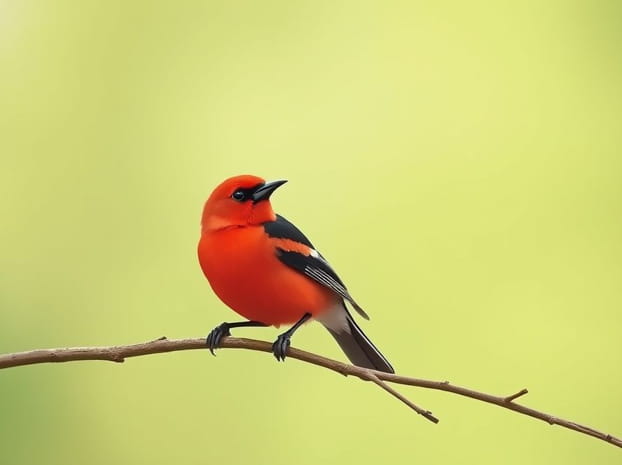
How To Attract Scarlet Tanager
Scarlet Tanagers are among the most vibrant and striking birds found in North America, renowned for their bright red plumage and contrasting black wings and tails. Attracting these birds to your backyard or garden requires understanding their natural habits, preferred habitats, and dietary needs. While they are migratory and primarily seen in the eastern United States during the breeding season, providing the right environment can encourage these stunning birds to visit frequently, offering birdwatchers and nature enthusiasts a spectacular display of color and activity.
Understanding Scarlet Tanager Behavior
Before attempting to attract Scarlet Tanagers, it is important to understand their behavior and habitat preferences. These birds are generally shy, preferring dense deciduous forests where they can stay hidden among trees while searching for insects and fruits. Males are known for their vivid red coloration during the breeding season, which they use to attract mates and establish territory. Females, with their olive-yellow coloring, are less conspicuous but equally important for attracting a breeding pair.
Migration Patterns
- Scarlet Tanagers migrate to Central and South America during the winter, typically returning to North America in late spring.
- They are most active during the early morning and late afternoon, making these the best times for observing them or offering food sources.
Creating a Suitable Habitat
Providing a suitable environment is key to attracting Scarlet Tanagers. These birds prefer habitats that offer shelter, food, and safe nesting sites. Homeowners and bird enthusiasts can take steps to replicate natural conditions that meet these criteria.
Planting Native Trees and Shrubs
- Scarlet Tanagers prefer deciduous trees such as oaks, maples, and hickories for perching and nesting.
- Understory shrubs like dogwood, viburnum, and serviceberry offer cover and attract insects that Tanagers feed on.
- Planting a diverse range of native trees and shrubs increases the likelihood of attracting these birds to your property.
Providing Nesting Sites
- Tanagers typically build cup-shaped nests high in the canopy of trees, so providing tall trees or allowing natural growth encourages nesting activity.
- Avoid trimming the upper branches of trees where nests are likely to be built to ensure safety and seclusion.
Offering Food Sources
Food availability is another important factor in attracting Scarlet Tanagers. These birds are primarily insectivorous during the breeding season, but they also consume fruits and berries, particularly in late summer and during migration.
Insect Feeding
- Tanagers feed on a variety of insects such as caterpillars, beetles, grasshoppers, and spiders.
- Planting native flowering plants that attract insects can provide a natural food source.
- Offering mealworms or live insects in feeders can also entice Tanagers to visit your yard.
Fruit and Berry Offerings
- Tanagers enjoy small fruits like mulberries, elderberries, and serviceberries.
- Fruit-bearing trees and shrubs can provide a natural source of nutrition, especially during migration periods.
- Placing fruit feeders with fresh berries can supplement the natural diet and attract these birds closer to viewing areas.
Using Water Features
Access to clean water is essential for attracting Scarlet Tanagers. Birds need water for drinking and bathing, and a well-placed birdbath or small fountain can make your yard more appealing.
Birdbaths and Fountains
- Ensure water is fresh and cleaned regularly to prevent contamination and maintain hygiene.
- Shallow birdbaths or gently flowing fountains are preferable, as they provide safe and accessible water sources.
- Placing water sources near trees or shrubs can create a sense of safety for Tanagers while they drink or bathe.
Minimizing Disturbances
Scarlet Tanagers are sensitive to disturbances and may avoid areas with frequent human activity or predators. Maintaining a calm environment is crucial for attracting and retaining these birds in your yard.
Creating Safe Zones
- Avoid placing feeders or water sources too close to high-traffic areas or pet zones.
- Dense vegetation provides cover and reduces stress from potential predators.
- Limiting loud noises, such as construction or machinery, during peak observation times helps Tanagers feel secure.
Additional Tips for Attracting Scarlet Tanagers
- Use binoculars and maintain a respectful distance to avoid scaring the birds away.
- Keep feeders stocked and water sources clean throughout the season, especially during peak migration.
- Observe seasonal changes in diet and adjust food offerings accordingly, increasing fruits and berries in late summer.
- Encourage biodiversity in your yard to attract a variety of insects and small fruits that Tanagers naturally feed on.
- Patience is essential; Scarlet Tanagers may take time to discover new habitats, so consistency in providing food and water is key.
Attracting Scarlet Tanagers requires a thoughtful combination of habitat creation, food provision, water availability, and minimizing disturbances. By planting native trees and shrubs, offering insects and berries, maintaining clean water sources, and creating a safe and calm environment, you can increase the chances of these vibrant birds visiting your yard. Understanding their natural behavior, seasonal needs, and migration patterns will help you create an inviting environment that supports their well-being while providing an opportunity to enjoy the striking beauty of Scarlet Tanagers up close. With patience and dedication, attracting these birds can become a rewarding aspect of birdwatching and wildlife appreciation.