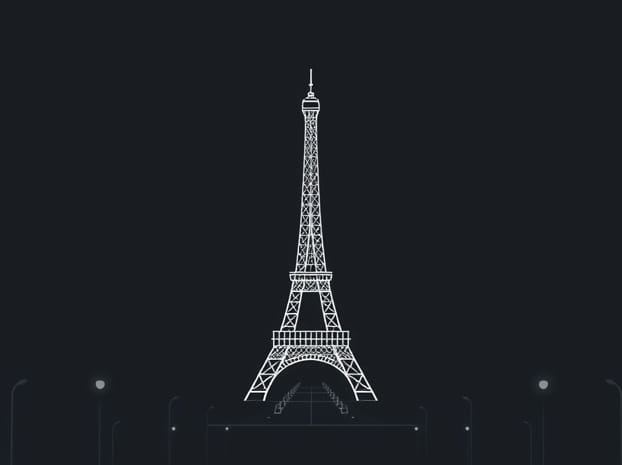
How Tall Is The Eiffel Tower
The Eiffel Tower is one of the most iconic landmarks in the world, admired by millions of visitors each year. Known for its striking iron lattice design, it is not only a symbol of Paris but also an architectural and engineering marvel. Many people often ask how tall the Eiffel Tower is, and the answer depends on whether you include its antenna. Beyond its height, the tower holds fascinating stories about its construction, historical significance, and the role it continues to play in French culture and tourism today.
The Exact Height of the Eiffel Tower
The Eiffel Tower stands at a height of 330 meters (1,083 feet) when including the antennas mounted on its top. Without the antennas, the iron structure itself measures around 300 meters (984 feet). The height has changed over time due to the addition of new communication antennas and adjustments made during renovations. As a result, while many sources once cited the tower as 324 meters tall, its official height today is slightly greater due to upgrades completed in recent years.
Comparison with Other Landmarks
When it was completed in 1889, the Eiffel Tower was the tallest man-made structure in the world, surpassing the Washington Monument in the United States. It held this title until 1930, when the Chrysler Building in New York City was completed. Even today, despite being shorter than modern skyscrapers, the Eiffel Tower remains a towering figure in Paris, visible from miles away and unmatched in cultural impact.
Why the Height of the Eiffel Tower Matters
The impressive height of the Eiffel Tower is not just a statistic; it represents a breakthrough in 19th-century engineering. At the time of its construction, many critics doubted whether such a tall iron structure could even stand. Gustave Eiffel, the engineer behind the project, proved them wrong by creating a design that combined strength, balance, and beauty. The tower’s height also serves a practical function, as it has long been used as a broadcasting platform for radio and television signals.
Seasonal Height Variations
Interestingly, the Eiffel Tower does not always measure exactly the same height throughout the year. Because it is made of iron, the structure expands in hot weather and contracts in cold weather. This thermal expansion can cause the tower’s height to vary by up to 15 centimeters (about 6 inches). While this change is small compared to its overall size, it is a fascinating detail that highlights the relationship between engineering and nature.
Levels and Viewing Platforms
The Eiffel Tower’s height is divided into multiple levels, each offering unique views of Paris. Visitors can explore three main observation decks located at different heights
- The first level at 57 meters (187 feet) provides a spacious area with restaurants and exhibits about the tower’s history.
- The second level at 115 meters (377 feet) offers one of the best panoramic views of Paris, perfect for photography.
- The summit at 276 meters (906 feet) allows visitors to experience the highest accessible point of the tower, where the city stretches endlessly in all directions.
These platforms make the tower’s height more relatable, as visitors can physically feel the difference in perspective from one level to the next.
The Role of the Antenna
The antennas atop the Eiffel Tower contribute significantly to its total height. Since the early 20th century, the tower has served as a key site for radio transmission. The addition of antennas not only increased its functional value but also extended its overall height. Today, the antennas support digital television and radio broadcasting, making the Eiffel Tower a blend of historic architecture and modern technology.
Engineering Feats of Its Height
Constructing a structure as tall as the Eiffel Tower in the late 1800s was considered almost impossible. Over 18,000 iron pieces and 2.5 million rivets were used to build the tower, with workers assembling the parts like a massive puzzle. The tower’s curved shape and wide base distribute weight evenly, enabling it to withstand strong winds. The height also allowed engineers to test new ideas about structural stability, which influenced future architectural projects around the world.
Wind Resistance and Stability
Despite its height, the Eiffel Tower is remarkably stable. Gustave Eiffel’s design ensures that the tower sways only a few centimeters during strong winds. Its aerodynamic shape allows air to pass through the iron lattice, reducing pressure on the structure. This innovative engineering contributed to the tower’s ability to remain one of the tallest and safest constructions of its time.
Symbolism of the Tower’s Height
The Eiffel Tower’s towering presence symbolizes French innovation and cultural pride. Its remarkable height was initially criticized by artists and writers who thought it would ruin Paris’s skyline. However, as time passed, the tower’s bold design and imposing stature transformed it into a beloved icon. Today, its height serves as a constant reminder of human ambition and the spirit of progress.
Tourism and Global Recognition
Millions of tourists visit the Eiffel Tower each year, many of them drawn by its size and panoramic views. Its height allows visitors to experience Paris in a way that few other landmarks can offer. Whether admired from the ground or from its highest platform, the sheer scale of the tower leaves a lasting impression. Its recognition as one of the most visited monuments in the world is directly tied to its extraordinary height and design.
So, how tall is the Eiffel Tower? At 330 meters including its antenna, the Eiffel Tower continues to stand as one of the tallest and most admired structures in the world. Its height has evolved with time, adapting to technological needs while maintaining its historic significance. More than just a measurement, the tower’s height represents innovation, engineering excellence, and cultural identity.
From its early days as the tallest man-made structure to its enduring role as a broadcasting tower and tourist destination, the Eiffel Tower’s height has always been central to its story. It remains a powerful symbol of Paris, inspiring awe in anyone who looks up at its iron frame or stands atop its summit. In every sense, the Eiffel Tower proves that height can be more than numbers; it can be a reflection of ambition, creativity, and enduring legacy.