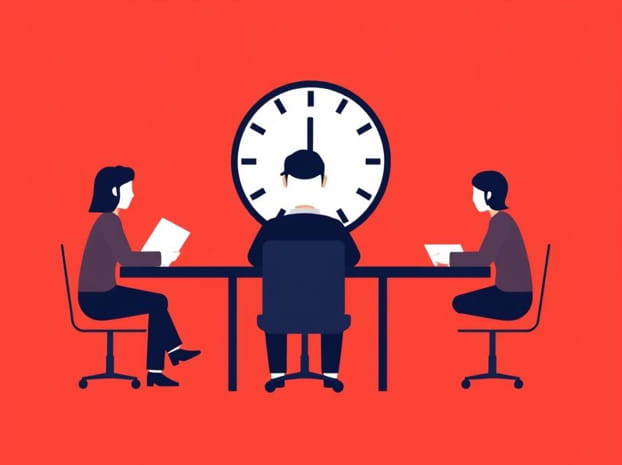
How Students Mismanage Their Time
Time management is one of the most critical skills for students, yet it is often the area where many struggle the most. Balancing classes, assignments, social activities, part-time jobs, and personal commitments can be challenging. When students fail to manage their time effectively, it can lead to stress, poor academic performance, and missed opportunities. Mismanagement of time is not only about procrastination but also about failing to prioritize tasks, underestimating deadlines, and allowing distractions to interfere with important responsibilities. Understanding common ways students mismanage their time is essential for developing strategies to improve productivity and achieve academic and personal goals.
Procrastination
Procrastination is one of the most common ways students mismanage their time. It involves delaying tasks that are important or urgent in favor of activities that are more immediately gratifying. This might include scrolling through social media, binge-watching shows, or spending excessive time on leisure activities. Procrastination often results in last-minute cramming, incomplete assignments, and poor-quality work. Students may convince themselves that they work better under pressure, but research shows that procrastination usually increases stress and reduces overall productivity.
Reasons for Procrastination
There are several reasons students procrastinate. Some may feel overwhelmed by the size or complexity of a task. Others may lack motivation or struggle with self-discipline. Perfectionism can also play a role, as students fear that their work will not meet high standards, leading them to delay starting. Recognizing the underlying causes of procrastination is the first step toward addressing this issue.
Poor Planning and Prioritization
Another major factor in time mismanagement is poor planning. Students often fail to set realistic goals or create schedules that account for all their commitments. Without a clear plan, tasks can pile up, deadlines may be missed, and stress levels can rise. Prioritization is equally important, as not all tasks hold the same weight in terms of importance or urgency. When students do not prioritize effectively, they may spend excessive time on low-value tasks while neglecting high-priority assignments.
Lack of Goal Setting
Students who do not set specific academic or personal goals are more likely to mismanage their time. Goals provide direction and motivation, helping students focus on what truly matters. Without clear objectives, it is easy to get distracted or spend time on activities that do not contribute to long-term success. Simple practices like daily to-do lists, weekly planning, and setting deadlines for each task can help improve time management significantly.
Distractions and Interruptions
In today’s digital age, distractions are everywhere, making it easier than ever for students to mismanage their time. Smartphones, social media, gaming, and messaging apps compete for attention, often pulling students away from their studies. Additionally, interruptions from friends, family, or roommates can fragment focus and reduce efficiency. Even short distractions can accumulate, leading to significant lost time over days and weeks.
Strategies to Reduce Distractions
To combat distractions, students can implement strategies such as creating a designated study space, turning off notifications, and using time-blocking techniques. Apps that limit access to social media or track productive hours can also help. Structuring study sessions into focused intervals, with short breaks in between, can improve concentration and reduce the temptation to engage in non-essential activities.
Poor Handling of Deadlines
Many students mismanage their time because they do not handle deadlines effectively. Waiting until the last moment to complete assignments can lead to rushed work, mistakes, and lower grades. Misjudging the amount of time needed to complete tasks is a common issue. Students may also overcommit themselves by taking on too many projects or extracurricular activities without accounting for the time each requires.
Time Estimation Challenges
Accurately estimating how long a task will take is a skill that many students struggle with. Underestimating the time needed can result in incomplete work, while overestimating may lead to wasted idle time. Using planners, setting reminders, and breaking larger tasks into smaller, manageable parts can help improve time estimation and ensure deadlines are met comfortably.
Poor Balance Between Work and Leisure
Students often mismanage time by failing to balance academic responsibilities with personal and social activities. Spending too much time on leisure or recreational activities can interfere with study schedules, while neglecting breaks and relaxation can lead to burnout. Finding the right balance is crucial to maintain motivation, mental health, and overall productivity.
Consequences of Imbalance
An imbalance between work and leisure can lead to chronic stress, fatigue, and reduced academic performance. Students who do not schedule downtime may experience anxiety and lack of focus during study sessions. Conversely, overindulgence in leisure can create a backlog of work that becomes difficult to manage. Effective time management requires planning for both work and relaxation to sustain long-term performance.
Lack of Organization
Disorganization is another common way students mismanage their time. Losing track of assignments, misplacing study materials, or having cluttered workspaces can waste significant time and reduce productivity. Students who do not maintain organized schedules or digital tools often spend extra hours trying to catch up or retrieve information.
Organizational Techniques
Organizational skills can dramatically improve time management. Simple techniques such as using planners, calendars, or digital apps can help track deadlines, meetings, and study sessions. Keeping study areas tidy, labeling materials, and maintaining consistent filing systems for notes and assignments also saves time and reduces stress.
Multitasking
Many students believe multitasking is an effective way to manage time, but it often leads to reduced efficiency and more errors. Attempting to study while watching TV, texting, or browsing social media divides attention and increases cognitive load. This fragmented focus makes tasks take longer and decreases retention of information.
Benefits of Focused Work
Focusing on one task at a time, also known as single-tasking, can improve productivity and the quality of work. Students can use techniques like the Pomodoro method, where they concentrate on a single task for a set period followed by a short break. This approach minimizes distractions and ensures deeper engagement with the material.
Time mismanagement among students is a multifaceted issue that can negatively impact academic performance, personal well-being, and future opportunities. Common pitfalls include procrastination, poor planning and prioritization, distractions, mishandling deadlines, imbalance between work and leisure, disorganization, and ineffective multitasking. Addressing these issues requires self-awareness, discipline, and the implementation of practical strategies such as goal setting, scheduling, focused study sessions, and organizational tools. By learning to manage time effectively, students can enhance productivity, reduce stress, and achieve a more balanced and successful academic life.