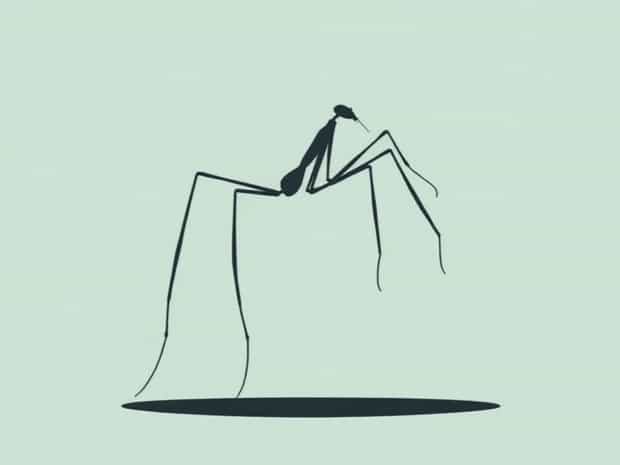
How Poisonous Are Granddaddy Long Legs
Granddaddy long legs, also known as cellar spiders or harvestmen, have long fascinated people due to their delicate, spindly legs and seemingly harmless appearance. Despite their fragile look, there is a common myth that these arachnids are highly poisonous, capable of delivering lethal bites to humans. This belief has persisted for decades, creating unnecessary fear and curiosity. Understanding the truth about the toxicity of granddaddy long legs requires examining their biology, venom potency, and behavior. By exploring these aspects, we can separate fact from fiction and provide a clearer picture of how dangerous, or not, these creatures really are.
Biology of Granddaddy Long Legs
Granddaddy long legs belong to the order Opiliones or Pholcidae, depending on the specific species. They are characterized by their small, oval bodies and extremely long, thin legs, which can often be several times the length of their bodies. Unlike spiders in the true spider family, some harvestmen (Opiliones) lack venom glands entirely, meaning they cannot produce venom. On the other hand, cellar spiders (Pholcidae) do have venom, but it is extremely mild and primarily used to subdue their small insect prey rather than to harm larger animals or humans.
Venom Potency
The idea that granddaddy long legs are among the most venomous spiders is a persistent myth, but scientific research has repeatedly shown it to be false. The venom of Pholcidae spiders is indeed toxic to small insects, which are their typical prey, but it has very low toxicity to humans. Their fangs are also tiny and not strong enough to penetrate human skin effectively. This means that even if they attempted to bite a human, the venom would likely be too weak to cause any significant harm. Furthermore, many species of harvestmen (Opiliones) do not even possess venom, making them completely harmless in terms of toxicity.
Biting Behavior and Human Interaction
Granddaddy long legs are generally non-aggressive toward humans. They prefer to avoid confrontation and will often retreat when disturbed. In the rare case that a bite occurs, it is usually a defensive response rather than an act of predation. Because their fangs are small and their venom is weak, bites may result in nothing more than minor redness or irritation, if anything at all. Unlike dangerous spiders such as black widows or brown recluses, granddaddy long legs do not inject venom capable of causing systemic effects in humans.
Common Myths and Misconceptions
The myth of the extremely poisonous granddaddy long legs likely originated from misunderstandings about their venom. Some people assumed that because these spiders can kill other insects effectively, their venom must be dangerous to humans. Additionally, their long, fragile legs may create a deceptive appearance of danger. Popular urban legends and anecdotes have exaggerated the risk, leading many to fear these harmless creatures unnecessarily.
Scientific Studies on Toxicity
Scientific studies and expert observations consistently refute the myth of granddaddy long legs being highly poisonous to humans. Research shows that Pholcidae venom affects only small prey and that their fangs cannot pierce human skin effectively. Furthermore, harvestmen, which lack venom glands altogether, are completely harmless. Experts in arachnology emphasize that these spiders play an important ecological role by controlling populations of other small insects and pests, without posing any threat to people.
Ecological Role
Despite the myths surrounding their toxicity, granddaddy long legs are beneficial in many ecosystems. They help control populations of small insects and other arthropods, acting as natural pest control in homes and gardens. Their presence is generally a positive sign of a balanced ecosystem. Understanding their ecological role can also help reduce fear and encourage coexistence rather than eradication.
Safety and Precautions
While granddaddy long legs are not dangerous, it is always advisable to treat any spider with respect. Avoid handling them directly, as their delicate legs can easily break, causing harm to the spider rather than to you. For those who are uncomfortable with spiders in their homes, simple measures such as sealing cracks, keeping spaces clean, and using gentle relocation techniques are effective ways to manage their presence without causing unnecessary fear or harm.
Tips for Coexisting with Granddaddy Long Legs
- Allow them to remain undisturbed if they are not causing harm.
- Use a glass and paper to gently relocate them outdoors if necessary.
- Seal entry points in homes to minimize indoor encounters.
- Educate others about their harmless nature to reduce unnecessary fear.
- Appreciate their role in controlling small insect populations naturally.
Granddaddy long legs are far less dangerous than popular myths suggest. While some species possess venom, it is weak and ineffective against humans, and many species lack venom altogether. Their tiny fangs make biting humans difficult, and even in the rare case of a bite, the consequences are minor. Understanding their biology, venom potency, and ecological role helps dispel common misconceptions and encourages a more informed and respectful approach to these fascinating creatures. Rather than fearing granddaddy long legs, we can recognize their contribution to the ecosystem and coexist safely with them in our homes and gardens. By appreciating their true nature, we can replace fear with knowledge and respect, ensuring that myths do not overshadow the reality of their harmlessness and ecological importance.
Ultimately, granddaddy long legs serve as a reminder of how misinformation can persist and shape public perception. By relying on scientific evidence and expert research, we can separate fact from fiction and foster a more accurate understanding of the natural world. These delicate arachnids are not lethal monsters, but rather beneficial, harmless creatures that play a subtle yet important role in maintaining ecological balance. Recognizing their harmlessness helps to alleviate unnecessary anxiety and promotes a healthier appreciation for the small but significant creatures that share our environment.