How Much Is A Short Legged Cat
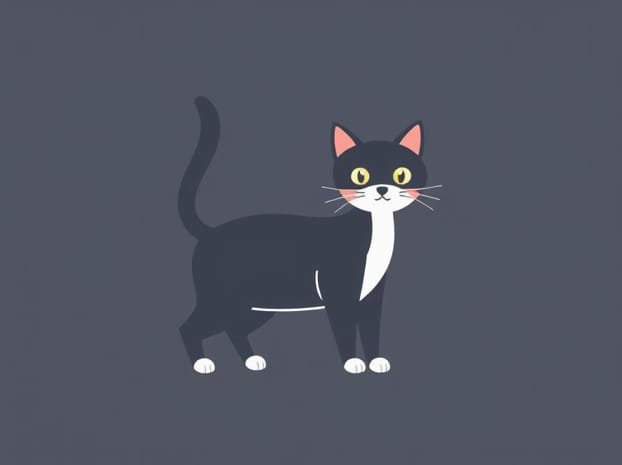
Short-legged cats are a unique and charming addition to any household, instantly recognizable for their distinctive low stature and playful personalities. These cats often belong to specific breeds, such as the Munchkin, which are known for their genetic trait causing shorter limbs while maintaining normal body proportions. Prospective cat owners frequently ask how much a short-legged cat costs, as prices can vary widely depending on breed, lineage, breeder reputation, and additional factors like vaccinations and registration. Understanding these costs, along with the considerations involved in caring for a short-legged cat, is essential for making an informed decision and ensuring the health and happiness of your new pet.
Factors Affecting the Price of Short-Legged Cats
The cost of a short-legged cat is influenced by several factors. These cats are not only visually distinctive but also carry specific genetic traits that require careful breeding practices to avoid health complications. Knowing the key factors that affect pricing can help potential owners plan financially and choose a reputable source.
Breed and Lineage
The breed of the cat significantly impacts its price. The most well-known short-legged breed is the Munchkin, but other breeds with short legs include the Scottish Fold and certain mixed-breed cats with dwarfism traits. Purebred Munchkins with documented pedigree from champion bloodlines are often more expensive than kittens from general or unverified lines. Breeding for healthy genetics and maintaining breed standards requires investment, which is reflected in the price.
Breeder Reputation
Reputable breeders who prioritize health, temperament, and ethical breeding practices typically charge higher prices. These breeders perform health screenings, provide vaccinations, microchipping, and socialization for the kittens. Investing in a kitten from a responsible breeder ensures that the cat is less likely to develop genetic or behavioral issues and supports ethical breeding practices.
Geographic Location
Location can also affect the cost of short-legged cats. In countries or regions where the breed is rare, prices may be significantly higher due to supply and demand. Importing a short-legged cat from another region or country can further increase costs due to transportation, veterinary checks, and legal requirements for animal importation.
Health and Veterinary Costs
Kittens with health guarantees, early vaccinations, and veterinary checks may have a higher upfront cost. Buyers should consider these expenses as part of the overall investment in their cat. Ensuring that a short-legged cat is healthy from the start helps prevent costly medical issues in the future and supports long-term well-being.
Typical Price Range for Short-Legged Cats
Short-legged cats vary widely in price depending on breed, lineage, and other factors. Understanding typical price ranges can help potential owners prepare financially and avoid being overcharged.
Munchkin Cats
Munchkin cats are the most popular short-legged breed and are known for their playful personalities and small stature. Prices for a Munchkin kitten usually range from $800 to $3,000. Kittens from champion lines, with exceptional traits or show potential, can cost between $3,000 and $6,000 or more. The variation in price often reflects factors such as coat color, pattern, and overall health of the kitten.
Scottish Folds and Other Breeds
Short-legged cats from other breeds, such as Scottish Folds with natural dwarfism traits, may have similar price ranges. Prices typically start around $1,000 and can go up to $4,000 depending on pedigree and availability. Mixed-breed short-legged cats may be less expensive, often ranging from $200 to $800, but buyers should consider the potential health implications and lack of pedigree documentation.
Additional Services and Costs
When purchasing a short-legged cat, additional services such as vaccinations, microchipping, spaying or neutering, and registration with a breed association can add $100 to $500 to the total cost. Some breeders also offer starter packs, which may include food, litter, toys, and bedding, which can provide convenience but may slightly increase the purchase price.
Considerations for Owning a Short-Legged Cat
Owning a short-legged cat requires understanding their unique needs and potential health concerns. While these cats are generally healthy and active, their body structure may make them prone to certain conditions, so proper care is essential for long-term well-being.
Health and Mobility
Short-legged cats may have a slightly higher risk of joint issues, spinal problems, or obesity due to their body structure. Regular veterinary check-ups, a balanced diet, and opportunities for exercise are crucial to maintain their mobility and overall health. Owners should provide climbing structures and play areas suited to their shorter stature to ensure they remain active and engaged.
Temperament and Socialization
Short-legged cats, particularly Munchkins, are known for their friendly, playful, and curious nature. Early socialization helps ensure they develop positive behaviors with other pets and humans. Engaging them in interactive play and providing mental stimulation can prevent boredom and encourage healthy activity.
Living Environment
These cats adapt well to indoor living and can thrive in apartments or houses, provided they have enough space to move around and play. Due to their short legs, some high jumps may be challenging, so providing ramps or low-level shelves can enhance their environment and prevent injuries.
Finding a Reputable Breeder
When seeking a short-legged cat, choosing a reputable breeder is critical. Look for breeders who follow ethical practices, provide veterinary documentation, and allow you to meet the kitten’s parents. Checking for breed association membership and positive reviews from previous buyers can also help ensure a responsible purchase.
Questions to Ask Breeders
- Are the kittens vaccinated and microchipped?
- Can I see the health records of the kitten and parents?
- What socialization practices are used for the kittens?
- Are there any health guarantees or return policies?
- Is the breeder registered with a recognized cat association?
The cost of a short-legged cat depends on multiple factors, including breed, lineage, breeder reputation, geographic location, and additional services. Munchkin cats typically range from $800 to $3,000, with show-quality kittens reaching higher prices. Other breeds with short-legged traits may have similar costs, while mixed-breed kittens can be more affordable. Beyond the purchase price, prospective owners should also consider ongoing veterinary care, diet, and specialized accommodations for mobility. By understanding these factors and choosing a responsible breeder, cat owners can ensure they provide a loving, healthy, and enriching environment for their unique short-legged companion.
Short-legged cats bring joy, personality, and charm to a household, and their distinctive appearance makes them a popular choice among cat enthusiasts. Careful planning, research, and consideration of costs and responsibilities help ensure that these cats live healthy, happy lives while allowing owners to enjoy the companionship and playful energy that make short-legged cats so special.