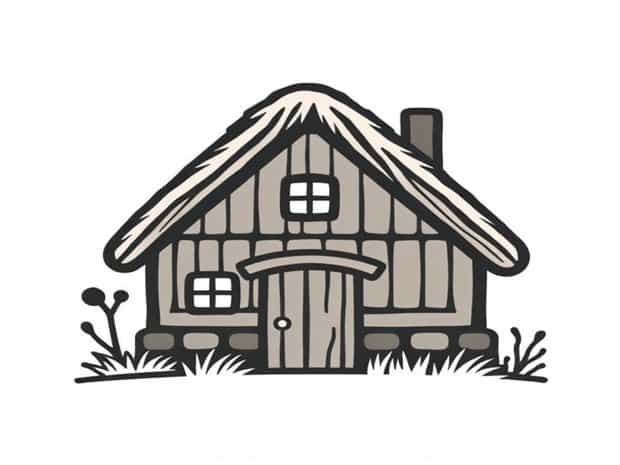
How Much Does Thatching Cost
Thatching is a traditional roofing method that has been used for centuries to create durable, weather-resistant roofs using natural materials like straw, reeds, or palm leaves. While the aesthetic appeal and insulation properties of a thatched roof are undeniable, many homeowners and builders often ask how much does thatching cost? Understanding the factors that influence thatching expenses, from material choices to labor and maintenance, is essential for budgeting and planning. The cost of thatching can vary significantly depending on location, roof size, complexity, and the type of materials used, making it important to have a comprehensive overview before committing to this unique roofing style.
Factors Influencing Thatching Costs
The cost of thatching a roof is not fixed and depends on a variety of factors. Recognizing these factors helps homeowners estimate their budget more accurately and avoid unexpected expenses.
Type of Thatching Material
The material used for thatching is a primary determinant of cost. Traditional options include straw, water reed, heather, and palm leaves. Each material varies in price based on availability, durability, and aesthetic qualities. Water reed, for example, is considered highly durable and can last up to 60 years, but it tends to be more expensive than straw, which has a shorter lifespan of 20 to 30 years. Choosing the right material balances long-term durability with initial investment.
Roof Size and Complexity
The total area of the roof significantly impacts the overall cost. Larger roofs naturally require more materials and labor, increasing the price. Additionally, complex roof designs with multiple angles, dormers, or steep pitches require more skill and time to thatch properly, further raising costs. Simple, single-pitch roofs are easier and faster to thatch, making them more cost-effective.
Labor Costs
Thatching is a specialized craft, and skilled thatchers command higher rates due to the expertise required. Labor costs can vary depending on location, experience, and the complexity of the project. Hiring experienced thatchers ensures a high-quality finish, long-lasting durability, and compliance with local building codes. While DIY thatching may seem like a cost-saving option, it often results in mistakes and shorter roof lifespan, potentially increasing costs over time.
Location and Accessibility
Where the property is located can affect the price of thatching. Transporting materials to remote areas or regions with limited availability of skilled thatchers can increase costs. Accessibility to the roof itself also matters; difficult-to-reach roofs require additional scaffolding or safety equipment, which adds to the overall expense.
Additional Features and Finishing
Extra features such as ridge detailing, eaves finishing, and fire retardant treatments influence the final cost. Decorative ridges or specialized finishes can enhance the appearance of the roof but add labor and material costs. Fireproofing is particularly important in areas prone to wildfires and may increase expenses but provides essential safety benefits.
Typical Thatching Costs
While costs vary widely depending on the factors mentioned, there are general price ranges that can help homeowners estimate the expense of thatching a roof.
Straw Thatch
Straw thatching is often the most affordable option. The cost typically ranges from $15 to $25 per square foot, depending on quality and local labor rates. Straw is easier to work with and widely available, but it has a shorter lifespan and requires more frequent maintenance compared to reed or palm thatch.
Water Reed Thatch
Water reed thatching is more durable and can last 40 to 60 years. The cost usually ranges from $25 to $40 per square foot, reflecting the higher quality and longer lifespan. While the upfront cost is higher, the longevity of water reed often justifies the investment by reducing future replacement and maintenance costs.
Palm and Other Natural Thatch
Palm leaf and other exotic thatching materials vary significantly in price based on availability and local demand. Costs can range from $20 to $35 per square foot. These materials are often chosen for their unique appearance and cultural relevance in certain regions, adding value to the property aesthetically and functionally.
Maintenance Costs and Considerations
Thatching is not a one-time investment; ongoing maintenance is crucial for preserving the roof’s integrity and appearance. Neglecting maintenance can shorten the roof’s lifespan and increase repair costs.
Regular Inspections
Periodic inspections, typically every 6 to 12 months, are recommended to identify issues such as loose thatch, moss growth, or water penetration. Professional inspections can cost between $100 and $300 depending on roof size and location but help prevent major repairs and extend the life of the roof.
Repairs and Re-Ridging
Over time, parts of a thatched roof, particularly ridges, may need replacement or repair. Ridge replacement typically occurs every 10 to 15 years and costs around $10 to $20 per linear foot. Regular repairs keep the roof weatherproof and maintain its visual appeal, preventing more extensive damage that can be far more expensive.
Fireproofing and Pest Control
Applying fire retardant treatments and pest control measures is essential for thatched roofs. These treatments add to the maintenance budget but significantly reduce the risk of fire and damage from insects or rodents. Annual treatments can cost several hundred dollars but provide peace of mind and enhance property safety.
Cost-Saving Tips for Thatching
While thatching is inherently more expensive than conventional roofing, there are ways to manage costs effectively without compromising quality.
- Compare quotes from multiple skilled thatchers to find competitive rates.
- Consider using a combination of materials, such as a durable water reed for main areas and less expensive straw for less visible sections.
- Schedule regular maintenance to prevent costly repairs and extend roof lifespan.
- Plan roof design with simplicity in mind to reduce labor and material requirements.
The cost of thatching a roof varies widely depending on materials, roof size, complexity, labor, and location. Straw thatch offers a more affordable entry point at $15 to $25 per square foot, while water reed provides longevity and durability at $25 to $40 per square foot. Exotic materials like palm leaves can range between $20 and $35 per square foot, adding aesthetic value. Additionally, ongoing maintenance, inspections, and treatments are crucial for preserving the roof and preventing costly repairs. By understanding the factors that influence thatching costs and considering cost-saving strategies, homeowners can make informed decisions and invest in a durable, beautiful, and traditional roofing solution that enhances the value and appeal of their property.