How Much Are Ductless Air Conditioners
Ductless air conditioners have grown increasingly popular in recent years as an efficient and flexible solution for cooling individual rooms or small areas. Unlike traditional central air systems, ductless units do not require extensive ductwork, making them ideal for homes, apartments, and offices where installing ducts is impractical or expensive. While they provide convenience and energy efficiency, many homeowners and business owners often ask the same question how much are ductless air conditioners? Understanding the factors that influence pricing can help buyers make informed decisions and select the best system for their needs.
Understanding Ductless Air Conditioners
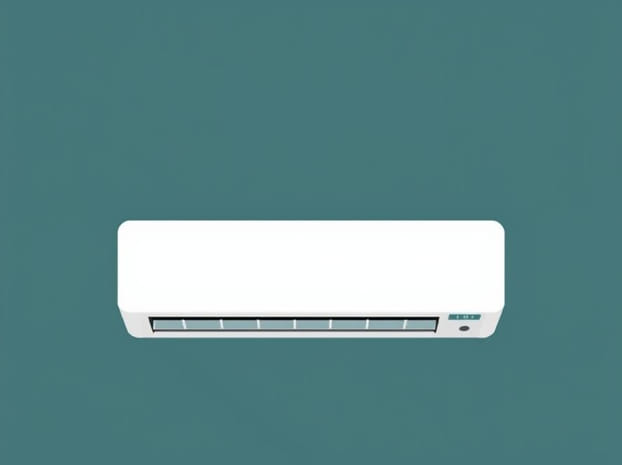
Ductless air conditioners, also known as mini-split systems, consist of two main components an indoor unit mounted on a wall or ceiling and an outdoor compressor/condenser. These units are connected by refrigerant lines, eliminating the need for traditional ductwork. Ductless systems provide zoned cooling, allowing you to control the temperature of each room independently, which can lead to lower energy bills and increased comfort.
Types of Ductless Air Conditioners
There are several types of ductless air conditioners, each with its own advantages and price range
- Single-Zone SystemsDesigned to cool one room or area, single-zone units are the most affordable option and typically sufficient for bedrooms, offices, or small living spaces.
- Multi-Zone SystemsThese systems connect multiple indoor units to a single outdoor compressor, allowing you to cool several rooms independently. Multi-zone systems are more expensive but offer greater flexibility.
- Portable Ductless UnitsSome mini-split systems are portable, providing temporary cooling without permanent installation. While convenient, they usually have lower efficiency compared to fixed systems.
Factors Affecting the Cost of Ductless Air Conditioners
The price of ductless air conditioners varies widely depending on several factors. Understanding these factors can help you budget effectively and choose a system that fits your needs
Cooling Capacity
The cooling capacity, measured in British Thermal Units (BTUs), is a key factor in pricing. Higher BTU units can cool larger areas but are more expensive. A small bedroom might require a 9,000 BTU unit, while a larger living area could need 18,000 BTUs or more. Choosing the correct BTU ensures optimal performance and energy efficiency.
Number of Zones
Single-zone systems are simpler and less expensive, generally costing between $500 and $1,500 for the unit alone. Multi-zone systems, which can serve several rooms, range from $1,500 to $5,000 or more, depending on the number of indoor units and overall system complexity.
Brand and Features
Brand reputation and additional features can also affect cost. Well-known brands like Mitsubishi, Daikin, and Fujitsu often command higher prices due to reliability and warranty options. Features such as Wi-Fi control, inverter technology, and air purification can also increase the price but improve efficiency and convenience.
Installation Costs
Installation is a significant part of the total expense. Professional installation is recommended for ductless systems to ensure proper refrigerant handling and system efficiency. Installation costs can range from $300 to $2,000 or more, depending on the complexity of the job, the number of zones, and local labor rates.
Average Costs for Ductless Air Conditioners
To give a clearer picture, here is a general estimate of ductless air conditioner costs
- Single-Zone Mini-Split$500-$1,500 for the unit; $300-$800 for installation; total $800-$2,300.
- Two-Zone System$1,200-$2,500 for the units; $600-$1,200 for installation; total $1,800-$3,700.
- Three-Zone System$2,000-$3,500 for the units; $800-$1,500 for installation; total $2,800-$5,000.
- Four-Zone or More$3,000-$6,000 for units; $1,000-$2,000 for installation; total $4,000-$8,000+ depending on size and features.
Energy Efficiency and Long-Term Savings
While ductless air conditioners may have higher upfront costs compared to window units or portable air conditioners, they can offer substantial long-term savings. Many mini-split systems use inverter technology, which adjusts the compressor speed to maintain a consistent temperature and reduce energy consumption. By cooling only the rooms in use and avoiding energy loss through ducts, these systems can lower electricity bills and pay for themselves over time.
Maintenance Costs
Maintaining a ductless air conditioner is relatively straightforward but important for longevity and performance. Regular cleaning of filters, inspection of refrigerant lines, and occasional professional servicing are recommended. Annual maintenance costs are typically modest, ranging from $75 to $200, depending on the provider and system complexity. Well-maintained units can last 12-20 years, making them a worthwhile investment for homeowners.
Additional Considerations
- Rebates and IncentivesSome regions offer energy efficiency rebates for installing ductless systems, which can reduce upfront costs.
- Climate ImpactIn hotter climates, investing in a higher-capacity unit may increase initial costs but improve comfort and efficiency during peak summer months.
- Noise LevelsDuctless units are generally quieter than traditional window units. Higher-end models with advanced compressor technology may have a slightly higher price but provide superior noise reduction.
Ductless air conditioners are a versatile and energy-efficient solution for cooling individual rooms or entire homes without the need for extensive ductwork. The cost varies widely depending on factors such as system size, number of zones, brand, features, and installation complexity. Single-zone units are the most affordable, while multi-zone systems offer flexibility for larger spaces. While the upfront investment may seem significant, the long-term benefits of reduced energy bills, improved comfort, and durable performance make ductless air conditioners a smart choice for many homeowners. By understanding the pricing components and planning accordingly, you can select a system that meets your cooling needs and budget while enhancing the comfort of your living space.