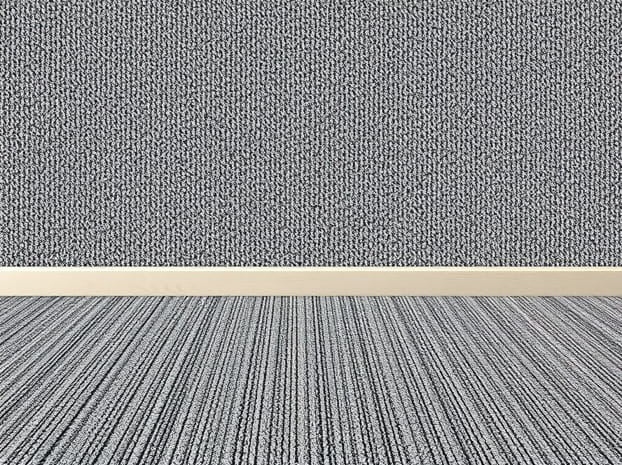
How Much Are Carpet Tiles
Carpet tiles have become an increasingly popular flooring option for both residential and commercial spaces due to their versatility, ease of installation, and cost-effectiveness. Homeowners and business owners alike are drawn to carpet tiles because they offer the flexibility to create custom designs while providing durability and comfort. One of the most common questions when considering this flooring option is, how much are carpet tiles? Understanding the cost factors, types, and installation requirements can help individuals make informed decisions when planning a flooring project. The price of carpet tiles can vary significantly based on material, brand, quality, and other considerations, making it essential to explore all relevant details before purchasing.
Factors Affecting the Cost of Carpet Tiles
The price of carpet tiles is not fixed and depends on multiple variables that influence both the initial purchase and long-term value. By considering these factors, buyers can better estimate their budget and select the right product for their needs.
Material Type
Carpet tiles are made from a variety of materials, including nylon, polypropylene, wool, and polyester. Each material has its own price range and performance characteristics. Nylon tiles tend to be more expensive but offer superior durability and stain resistance, making them ideal for high-traffic areas. Wool tiles, though natural and luxurious, are typically the highest in cost. Polypropylene or polyester options are generally more affordable but may be less resilient over time.
Quality and Pile Height
The density and pile height of carpet tiles also affect pricing. High-density tiles with thicker piles provide more comfort and longevity but come at a higher price. Low-pile tiles are cheaper and easier to clean but may wear out faster. Understanding the intended usage and foot traffic in the area will help determine the appropriate quality and pile height.
Brand and Design
Brand reputation and design intricacy can influence costs. Well-known brands that offer warranties and proven quality often charge more. Additionally, carpet tiles with unique patterns, colors, or textures may be priced higher than standard, solid-colored tiles. Customizable designs or tiles that allow for creative layouts can add to the expense but enhance the aesthetic appeal of the space.
Size and Quantity
The size of each carpet tile, usually measured in square feet or inches, directly impacts cost. Larger tiles may be more expensive per unit but cover more area quickly, potentially reducing installation labor. Bulk purchases often come with discounts, making it cost-effective for large projects.
Average Price Range for Carpet Tiles
To provide a general understanding, carpet tiles typically range from $2 to $8 per square foot, depending on the material and quality. Basic polypropylene or polyester tiles are usually priced at the lower end, around $2 to $3 per square foot. Mid-range options, often made of nylon or mixed fibers, range from $4 to $6 per square foot. Premium tiles, such as wool or designer brand tiles, can cost $7 to $8 or more per square foot. It is important to consider that these prices usually exclude installation, adhesives, and underlay materials.
Installation Costs
While carpet tiles are known for easy DIY installation, many choose professional installation to ensure optimal results. Professional installation can add an additional $1 to $3 per square foot, depending on the complexity of the layout and local labor rates. DIY installation can save money but requires careful planning, precise cutting, and proper preparation of the subfloor.
Additional Expenses
Additional costs may include adhesives, underlay, trims, and corner pieces. Some carpet tiles come with peel-and-stick backing, eliminating the need for separate adhesives, while others require glue for a secure fit. Accounting for these supplementary materials is essential when estimating the total cost of a carpet tile project.
Benefits of Carpet Tiles That Justify the Cost
Despite the price range, many homeowners and businesses find carpet tiles to be a cost-effective solution due to the numerous benefits they offer compared to traditional broadloom carpet.
Easy Replacement and Maintenance
One of the primary advantages of carpet tiles is the ability to replace individual tiles if damaged or stained. This reduces long-term costs compared to replacing an entire carpet. Regular maintenance is also simpler, as tiles can be removed, cleaned, or swapped as needed.
Design Flexibility
Carpet tiles allow for creative designs and patterns, such as checkerboard, diagonal, or custom mosaics. This flexibility enables users to personalize their space and create visually appealing flooring at a manageable cost. For offices or commercial spaces, branded colors or themed designs can be implemented efficiently.
Durability and Longevity
High-quality carpet tiles are built to withstand heavy foot traffic, making them suitable for commercial environments, hallways, and high-use areas in homes. Their modular nature also ensures that wear and tear are localized, extending the overall lifespan of the flooring.
Where to Buy Carpet Tiles
Carpet tiles are available at home improvement stores, specialty flooring retailers, and online marketplaces. Buyers should compare prices, read reviews, and consider warranties when choosing where to purchase. Many suppliers also offer samples, allowing consumers to evaluate the texture, color, and quality before committing to a full purchase. Bulk purchasing options and promotions can further reduce the effective cost per square foot.
Tips for Saving on Carpet Tiles
- Buy in BulkLarger purchases often come with discounts, reducing the overall cost.
- Choose Mid-Range MaterialsNylon or blended fibers provide durability without the premium price of wool.
- DIY InstallationInstalling the tiles yourself can save on professional labor costs, though careful preparation is required.
- Check for Sales and ClearanceRetailers often offer discounts on last-season colors or discontinued designs.
- Mix and MatchUsing different shades or designs creatively can allow the use of discounted or leftover tiles efficiently.
The cost of carpet tiles varies depending on material, quality, size, brand, and installation needs. On average, buyers can expect to pay between $2 and $8 per square foot for the tiles themselves, with additional costs for installation, adhesives, and related materials. Despite these expenses, carpet tiles offer significant benefits in terms of durability, design flexibility, and ease of maintenance, making them a practical and cost-effective flooring solution. By understanding the factors that influence pricing and exploring tips to save money, consumers can make informed decisions and achieve attractive, long-lasting flooring that meets both aesthetic and functional needs. Whether for home or commercial use, carpet tiles provide a versatile and reliable flooring option that combines style, convenience, and value.