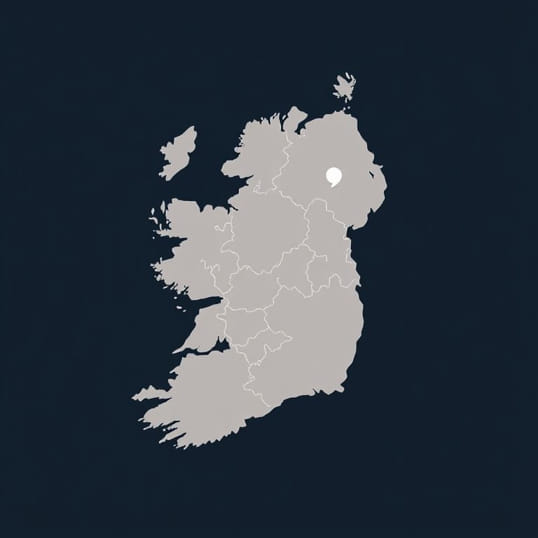
How Many Counties In Ulster
Ulster is one of the four traditional provinces of Ireland, and it has long captured the attention of historians, travelers, and cultural enthusiasts alike. Known for its rugged landscapes, vibrant cities, and complex political history, Ulster is also unique because of its administrative divisions. People often ask how many counties are in Ulster, and the answer is not only numerical but also layered with historical and cultural meaning. Understanding the counties of Ulster offers insights into the geography, history, and identity of this part of Ireland and Northern Ireland.
The Number of Counties in Ulster
Ulster is made up ofnine counties. These counties include both areas that belong to the Republic of Ireland and those that are part of Northern Ireland. Specifically, six of the nine counties belong to Northern Ireland, while the remaining three counties are in the Republic of Ireland. This division is crucial for anyone studying Irish history or seeking to understand the political boundaries that exist today.
The Six Counties in Northern Ireland
The six counties of Ulster that form Northern Ireland are central to modern political discussions. These are
- Antrim
- Armagh
- Derry (also known as Londonderry)
- Down
- Fermanagh
- Tyrone
Each of these counties carries its own cultural traditions and natural landmarks. Antrim is home to the famous Giant’s Causeway, while Armagh is often regarded as the ecclesiastical capital of Ireland. Derry, with its historic city walls, holds great significance in Irish history. Counties like Fermanagh, known for its lakes, and Tyrone, with its sprawling countryside, show the natural diversity of Ulster.
The Three Counties in the Republic of Ireland
The remaining three counties of Ulster are part of the Republic of Ireland. These are
- Cavan
- Donegal
- Monaghan
Donegal, in particular, stands out for its dramatic coastlines, Gaelic culture, and traditional Irish language communities. Cavan is famous for its lakes, while Monaghan is noted for its rolling drumlin hills. These counties remain fully integrated into the Republic of Ireland, but they are still culturally and historically tied to the broader identity of Ulster.
Historical Context of Ulster’s Counties
The nine counties of Ulster have roots that stretch back centuries. The province has been a focal point of conflict, settlement, and cultural development throughout Irish history. The Plantation of Ulster in the early 17th century reshaped much of the province, as settlers from Scotland and England arrived, influencing the demographics and culture. This period played a major role in setting the stage for the later political division of the island.
The Partition of Ireland and Ulster’s Division
When Ireland was partitioned in 1921, Ulster was directly affected. Six of its counties were included in Northern Ireland, which remained under British governance, while the other three became part of the Irish Free State (now the Republic of Ireland). This division explains why Ulster is often associated with Northern Ireland in popular discussions, even though the province historically includes all nine counties.
Cultural Importance of the Counties
Each county in Ulster has its own cultural identity and contributions to Irish life. Traditional music, festivals, and sports such as Gaelic football and hurling are deeply rooted in the counties of both Northern Ireland and the Republic of Ireland. The presence of both Irish and Ulster Scots traditions has created a unique cultural blend across the province.
Language and Heritage
The Irish language remains strong in parts of Donegal, where Gaeltacht regions preserve the Gaelic tongue and culture. Meanwhile, the Ulster Scots community has preserved elements of Scottish-influenced heritage in Antrim and Down. Together, these languages and traditions highlight Ulster’s role as a province of diversity and cultural richness.
Geography of Ulster’s Counties
Ulster is known for its varied geography. Mountains such as the Mourne Mountains in Down and the Derryveagh Mountains in Donegal attract hikers and nature enthusiasts. The counties also feature fertile farmland, expansive lakes, and rugged coastlines. Lough Neagh, the largest freshwater lake in the British Isles, lies in the heart of Ulster and touches several counties including Antrim, Armagh, Tyrone, and Derry.
Tourism Across Ulster
Tourists exploring Ulster often do so by county, as each offers distinct attractions. Antrim draws visitors to the Giant’s Causeway, while Derry is known for its historic walls and cultural events. Donegal is celebrated for its scenic Wild Atlantic Way routes, and Cavan boasts more than 300 lakes. By traveling across the nine counties, visitors experience the diversity that defines Ulster as a whole.
Why the Number of Counties in Ulster Matters
Knowing that Ulster has nine counties is more than a matter of trivia. It helps in understanding the history and politics of Ireland. Many people mistakenly equate Ulster solely with Northern Ireland, but the inclusion of Cavan, Donegal, and Monaghan is essential to recognize the full identity of the province. This awareness is important for cultural, historical, and educational purposes.
Misconceptions About Ulster
One common misconception is that Ulster and Northern Ireland are identical. While Northern Ireland contains six counties of Ulster, the province itself extends beyond that. Understanding this distinction allows for a clearer perspective on Irish history and helps avoid confusion in discussions about geography or politics.
Ulster is made up of nine counties, divided between Northern Ireland and the Republic of Ireland. Six of these counties Antrim, Armagh, Derry, Down, Fermanagh, and Tyrone form Northern Ireland, while three Cavan, Donegal, and Monaghan belong to the Republic of Ireland. Each county contributes to the province’s unique culture, history, and geography. Recognizing the number of counties in Ulster is not only about numbers; it is about understanding the identity of a province that has shaped, and continues to shape, the story of Ireland.