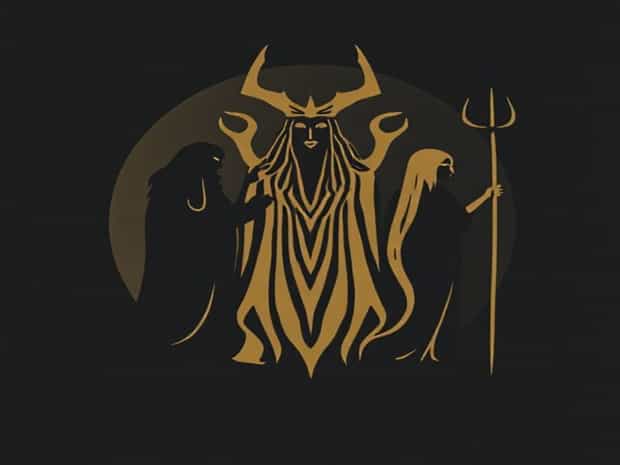
How Many Afterlives In Norse Mythology
Norse mythology is filled with fascinating stories about gods, warriors, and the fate of souls after death. Unlike many belief systems that describe a single afterlife, Norse traditions offer several realms where people might go once their earthly life ends. The question of how many afterlives exist in Norse mythology leads to a complex yet captivating answer, as different fates await individuals depending on how they lived, died, and were chosen by the gods. These afterlives reflect values of bravery, loyalty, and cosmic order that shaped the Viking worldview.
The Concept of Afterlife in Norse Mythology
The Norse people believed that death was not an end but a transition into another realm of existence. The idea of multiple afterlives highlights the importance of one’s actions and destiny. A warrior’s death on the battlefield was considered honorable, while other deaths led to different realms. The gods, especially Odin and Freyja, played an important role in choosing the souls of the fallen. This belief system created a layered vision of the afterlife, where not all paths were equal.
Valhalla The Hall of the Slain
One of the most famous afterlives in Norse mythology is Valhalla, the great hall ruled by Odin. Warriors who died bravely in battle were chosen by Valkyries to join Odin in this majestic hall. In Valhalla, the fallen heroes prepared for Ragnarök, the final battle of the gods, by feasting, fighting, and training every day. This afterlife was not meant for rest but for eternal readiness, reflecting the Viking culture of valor and combat.
Key Features of Valhalla
- Reserved for warriors who showed bravery in battle.
- Souls were chosen by Valkyries and brought to Odin’s hall.
- Daily feasts and combat practice until the end of the world.
- Symbol of honor and eternal brotherhood among warriors.
Fólkvangr Freyja’s Field
Another significant afterlife is Fólkvangr, the realm ruled by the goddess Freyja. Like Odin, Freyja had the right to choose half of those slain in battle. Those who entered Fólkvangr lived under her protection, enjoying peace and abundance. While Valhalla emphasized preparation for war, Fólkvangr represented beauty, fertility, and rest. It highlighted the dual role of warriors, not only as fighters but also as part of a divine balance.
Features of Fólkvangr
- Chosen by the goddess Freyja, often half of the battlefield dead.
- A realm associated with peace, beauty, and fertility.
- Seen as an honorable resting place equal to Valhalla.
Hel The Realm of the Dead
Not all souls went to Valhalla or Fólkvangr. Many who died of sickness, old age, or other natural causes were believed to enter Hel, ruled by the goddess Hel, daughter of Loki. This realm was not necessarily a place of punishment but was often described as cold, dark, and neutral. It represented the ordinary afterlife for most people, far from the glory of Valhalla or the grace of Fólkvangr.
Understanding Hel
- Home for those who did not die in battle.
- Ruled by Hel, a goddess with a half-dead, half-living form.
- Often portrayed as a cold and shadowy place.
- Considered a realistic and inevitable fate for many.
Rán’s Underwater Hall
Sailors and those lost at sea had their own afterlife in Norse mythology. They were believed to be taken by Rán, a sea goddess who used a magical net to capture drowned souls. These spirits joined her in her underwater hall. For a seafaring culture like the Vikings, this afterlife reflected the power and unpredictability of the ocean, which played a central role in their lives.
Details of Rán’s Afterlife
- Specifically for those who drowned at sea.
- Ruled by the goddess Rán, wife of Ægir, the sea god.
- Represented the risks of exploration and seafaring life.
Other Realms of the Dead
Beyond the well-known afterlives, Norse mythology also mentions other realms where souls might journey. For example, some warriors were believed to dwell in sacred burial mounds, continuing a ghostly existence near their kin. In some tales, certain realms were reserved for dishonorable dead, though these are less emphasized in surviving texts. These variations show how diverse the Norse vision of the afterlife was.
The Influence of Fate and the Gods
The destiny of a soul was not solely determined by their actions but also by the will of the gods. Valkyries, Odin, and Freyja all played roles in deciding where warriors went after death. Even ordinary deaths were tied to divine influence, with Hel and Rán overseeing the souls entrusted to them. This intertwining of divine choice and mortal destiny reflected the Norse belief in fate, orwyrd, which shaped every aspect of life and death.
Comparing Norse Afterlives
Unlike the binary view of heaven and hell in many later religions, Norse mythology presented a multi-layered vision of the afterlife. Each realm had its own meaning and value, reflecting the diversity of human lives. A warrior might aspire to Valhalla, a farmer might expect Hel, and a sailor might meet Rán beneath the waves. Together, these afterlives painted a picture of a world where every life had a place beyond death.
Major Afterlives in Norse Belief
- Valhalla – warriors’ hall of Odin.
- Fólkvangr – peaceful field of Freyja.
- Hel – realm for those dying of old age or illness.
- Rán’s hall – underwater home for drowned sailors.
- Burial mounds and other lesser realms – local and ancestral resting places.
Cultural Importance of Multiple Afterlives
The existence of many afterlives reveals much about Viking society. Bravery and loyalty in battle were honored, but ordinary lives were not dismissed. The ocean, farming, and everyday struggles were also reflected in the afterlife system. This inclusivity made the mythology relatable to every member of the community, giving each person a place in the larger cosmic order.
When asking how many afterlives exist in Norse mythology, the answer is not simple but layered. There are at least four major realms Valhalla, Fólkvangr, Hel, and Rán’s hall alongside other minor destinations like burial mounds. These multiple afterlives highlight the values and beliefs of the Norse people, from the glory of warriors to the acceptance of natural death. Together, they form a rich and complex vision of life beyond death, one that still fascinates us today.