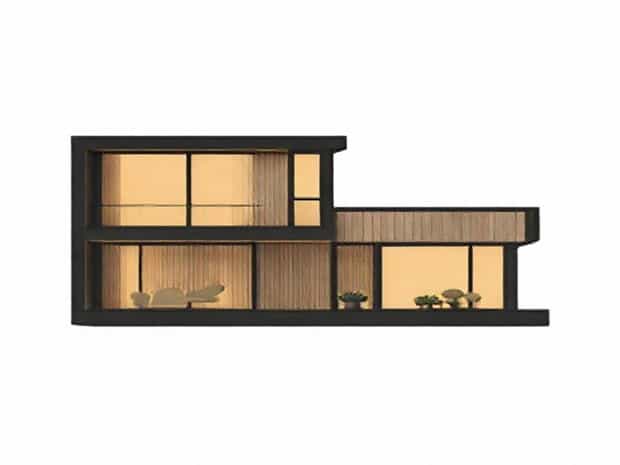
How Is Prefabrication Sustainable
Prefabrication has emerged as a revolutionary approach in modern construction, transforming the way buildings are designed, produced, and assembled. Unlike traditional construction methods, prefabrication involves manufacturing components of a structure in a controlled factory environment before transporting them to the construction site for assembly. This method offers numerous environmental, economic, and social advantages, making it an increasingly popular choice for sustainable building practices. As the construction industry faces mounting pressure to reduce its carbon footprint, minimize waste, and optimize resource efficiency, prefabrication stands out as a practical and innovative solution that aligns with sustainable development goals.
Reducing Construction Waste
One of the most significant sustainability benefits of prefabrication is its ability to minimize construction waste. Traditional on-site construction often generates large amounts of scrap materials, packaging, and excess components due to measurement errors or material handling issues. In contrast, prefabricated components are produced in factories under precise conditions, ensuring accurate measurements and efficient use of materials. Waste materials can be recycled or reused more effectively in a factory setting, reducing the overall environmental impact.
Efficient Material Use
Prefabrication enables the precise cutting and assembly of building components, which drastically reduces the need for excess raw materials. Manufacturers can optimize the use of steel, wood, concrete, and other construction materials, ensuring minimal offcuts and waste. Additionally, standardized production techniques allow for the use of sustainable or recycled materials without compromising quality, further enhancing the eco-friendly aspect of prefabricated buildings.
Recycling Opportunities
Factories that specialize in prefabrication often have better systems in place for recycling leftover materials. Metal scraps, sawdust, concrete offcuts, and other by-products can be repurposed or converted into new construction materials. This closed-loop approach contributes to a circular economy, reducing the strain on natural resources and decreasing landfill waste associated with traditional construction sites.
Energy Efficiency in Construction
Prefabrication also contributes to energy efficiency, both during production and on-site assembly. Factory production facilities can utilize renewable energy sources, energy-efficient machinery, and optimized manufacturing processes to reduce energy consumption. Controlled indoor environments allow for better insulation, reducing the energy needed for heating and cooling materials during construction. This approach contrasts with traditional construction, where energy use is often unpredictable and less efficient.
Reduced On-Site Energy Consumption
Because prefabricated components are assembled quickly on-site, there is a significant reduction in the energy and machinery required at the construction location. Less heavy equipment operation, fewer transportation trips for raw materials, and shorter construction timelines translate into lower fuel consumption and reduced greenhouse gas emissions. This efficiency makes prefabrication an environmentally responsible choice for sustainable building projects.
Lower Carbon Footprint
The carbon footprint of a building project is greatly influenced by the production, transportation, and assembly processes. Prefabrication can substantially lower carbon emissions by optimizing transportation logistics and reducing construction time. Since large portions of the building are manufactured in a centralized factory, deliveries to the site are fewer and more organized. This minimizes fuel use, traffic congestion, and emissions associated with multiple supply trips.
Optimized Transportation
Prefabricated components are designed for easy transport and assembly. Bulk deliveries reduce the number of trips needed compared to transporting raw materials separately. Additionally, modern prefabrication techniques allow for modular designs that can be efficiently stacked and packed, further decreasing transportation energy consumption and contributing to a lower overall carbon footprint.
Water Conservation and Sustainable Resource Use
Water usage is another critical aspect of sustainable construction, and prefabrication helps address this issue effectively. Traditional construction often consumes large quantities of water for mixing concrete, cleaning, and other on-site processes, resulting in waste and runoff. Prefabricated manufacturing facilities can control water use more efficiently, recycling water for multiple purposes and reducing overall consumption. This conservation is particularly important in areas facing water scarcity or strict environmental regulations.
Sustainable Material Sourcing
Factories producing prefabricated components often have direct access to sustainable materials. Using certified timber, recycled metals, and low-carbon concrete ensures that the construction process aligns with green building standards. The controlled environment also allows for the integration of innovative materials like cross-laminated timber, which offers high strength while reducing environmental impact compared to conventional steel or concrete structures.
Time Efficiency and Reduced Environmental Disruption
Prefabrication speeds up the construction process by allowing simultaneous site preparation and factory production. This time efficiency reduces the duration of on-site activities, minimizing environmental disruption such as dust, noise, and soil degradation. Shorter construction timelines mean fewer emissions from construction machinery and lower energy use, making prefabrication a more sustainable alternative for urban and ecologically sensitive areas.
Less Site Disturbance
Since most of the construction occurs off-site, there is less land disruption and reduced impact on local ecosystems. Traditional construction methods often involve excavation, heavy machinery, and prolonged activity that can damage soil and nearby vegetation. Prefabrication mitigates these issues, promoting a more environmentally responsible building process.
Adaptability and Lifecycle Sustainability
Prefabricated buildings are designed with flexibility and long-term sustainability in mind. Modular components can be disassembled, reused, or relocated, extending the building’s lifecycle and reducing the need for new materials. This adaptability supports sustainable urban development and lowers the environmental costs of demolition and reconstruction.
Future-Proofing Construction
Prefabrication allows buildings to be upgraded or expanded without major demolition, supporting sustainable growth and adaptation to changing needs. Energy-efficient components, improved insulation, and modular designs make it easier to incorporate renewable energy systems, reduce operational energy use, and maintain a low environmental impact throughout the building’s life.
Prefabrication represents a significant step toward sustainable construction. By minimizing waste, optimizing material use, conserving energy and water, and reducing carbon emissions, it addresses many of the environmental challenges posed by traditional building methods. Its adaptability, efficiency, and potential for circular resource use make prefabrication a forward-thinking solution for modern construction. As the world continues to prioritize sustainability and responsible resource management, prefabrication is set to play an increasingly vital role in building a greener, more resilient future.
From efficient material usage to reduced environmental disruption and long-term adaptability, prefabrication not only meets the demands of sustainable development but also provides a practical, scalable, and innovative approach to construction. Its integration into urban planning and building practices is essential for creating environmentally conscious and economically viable communities worldwide.