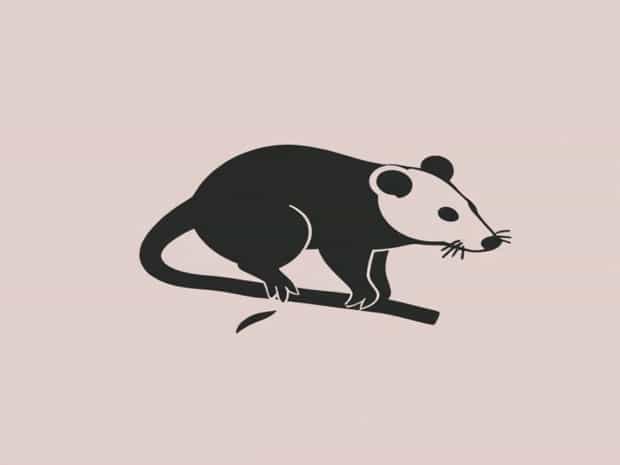
How Harmful Are Possums
When people see a possum wandering in their backyard at night, the first reaction is often concern or even fear. Their sharp teeth, nocturnal habits, and habit of rummaging through trash can make them seem dangerous or destructive. Many homeowners wonder how harmful are possums really? Understanding their behavior, potential risks, and ecological benefits can help us separate myths from facts. While they may appear unsettling, possums are not as harmful as many people believe. In fact, they play an important role in maintaining balance in the environment.
General Behavior of Possums
Possums, or opossums as they are called in North America, are nocturnal marsupials. They are known for being shy, cautious, and non-aggressive animals. When threatened, possums often resort to their well-known defense mechanism playing dead. This behavior, also known as thanatosis, is their way of avoiding predators rather than attacking. For humans, this means that possums generally pose little to no threat.
Physical Characteristics
- They have sharp teeth but rarely bite unless provoked.
- They use their prehensile tail to balance and carry nesting materials.
- They have excellent climbing abilities, which explains why they are often seen on fences and trees.
Are Possums Dangerous to Humans?
When asking how harmful possums are, most people are concerned about their interactions with humans. Fortunately, possums are not aggressive and usually avoid direct contact. They are more likely to flee than fight, making attacks on humans extremely rare. However, there are still a few considerations when it comes to potential risks.
Biting and Scratching
Though possums have sharp teeth, they almost never attack humans unless cornered or handled. If someone attempts to grab or trap a possum, it may bite in self-defense. These bites are typically not severe but can be painful and require proper cleaning.
Disease Concerns
Possums are often accused of spreading diseases, but research shows they are less dangerous than other wild animals. For example, they rarely carry rabies due to their lower body temperature, which makes it hard for the virus to survive. Still, they can carry parasites like fleas, ticks, and mites, which could transfer to pets or livestock.
Impact on Pets and Livestock
Many pet owners wonder if possums are harmful to dogs or cats. Generally, possums do not attack pets, but conflicts can occur if a dog corners one. In such cases, the possum is more likely to hiss, bare its teeth, or play dead rather than fight. However, fleas and ticks from possums may infest pets, leading to health issues.
Chicken Coops and Small Animals
Possums sometimes raid chicken coops, not for the chickens themselves, but for eggs or leftover feed. While they are not as notorious as raccoons for killing poultry, they can still cause disturbances in farms or backyards. Protecting food sources and securing coops is an effective way to keep possums away.
Are Possums Harmful to Property?
Possums are opportunistic feeders and may rummage through garbage, compost bins, or pet food left outdoors. While this can be messy, it does not usually cause structural damage. They might also take shelter in attics, sheds, or crawl spaces if given easy access. In such cases, their presence can cause foul odors and minor property damage from nesting materials or droppings.
Ways to Prevent Property Issues
- Secure trash cans with tight-fitting lids.
- Close off access points to attics or crawl spaces.
- Remove pet food and bird seed from outside at night.
Ecological Benefits of Possums
Although some people see possums as pests, they actually play a vital role in controlling insect and rodent populations. They eat beetles, cockroaches, mice, and even snakes. By reducing the numbers of these species, possums indirectly benefit humans by keeping pest populations under control.
Tick Control
One of the most fascinating fun facts about possums is their ability to eat ticks. A single possum can consume thousands of ticks in a season, reducing the spread of tick-borne diseases such as Lyme disease. This makes them surprisingly beneficial in areas where ticks are a major concern.
Possums and Rabies Separating Fact from Fiction
One of the most persistent myths about possums is that they commonly carry rabies. In reality, possums are highly resistant to rabies because their body temperature is too low for the virus to thrive. While no wild animal is completely free of risk, the chances of encountering a rabid possum are extremely small compared to raccoons, skunks, or bats.
Human-Wildlife Coexistence
Since possums are neither highly aggressive nor extremely destructive, the best way to handle them is often coexistence. Instead of trying to eliminate them, homeowners can take preventive steps to avoid unwanted encounters. Removing food sources, securing property, and understanding their habits are usually enough to keep interactions minimal and safe.
Humane Deterrents
- Motion-activated sprinklers can discourage possums from visiting gardens.
- Bright lights or loud sounds can make an area less appealing to them.
- Using natural repellents like garlic or ammonia-soaked rags can deter possums without harming them.
Do Possums Pose Health Risks?
While possums are not major carriers of rabies, they can spread other parasites and bacteria. Leptospirosis, a disease transmitted through urine, can occasionally be linked to possums. However, the risk is relatively low compared to other wild animals. Good hygiene practices, such as wearing gloves when cleaning areas visited by possums, can reduce health risks significantly.
So, how harmful are possums? The truth is that they are far less dangerous than most people assume. While they can cause minor problems such as rummaging through trash, carrying parasites, or raiding chicken coops, they are not aggressive or destructive by nature. In fact, possums provide important ecological benefits, especially in pest and tick control. With a little understanding and preventive care, humans can coexist peacefully with these misunderstood creatures. Instead of fearing possums, it may be better to appreciate the hidden benefits they bring to our environment.