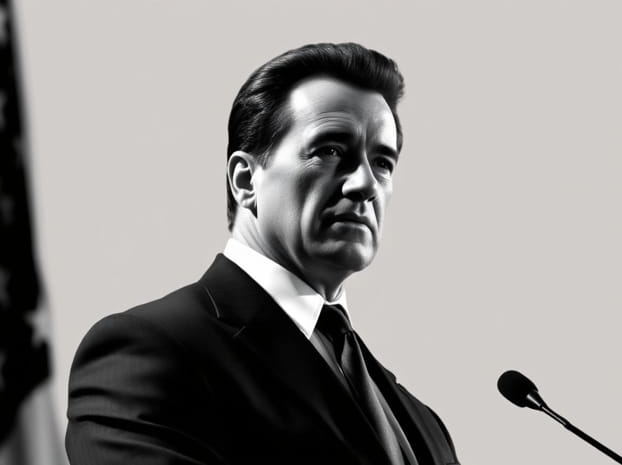
How Good Was Arnold Schwarzenegger As Governor
Arnold Schwarzenegger, widely known as a Hollywood actor and former professional bodybuilder, transitioned into politics by becoming the 38th Governor of California. His tenure, which lasted from 2003 to 2011, was marked by both achievements and controversies, sparking debates about how effective he was as a political leader. Schwarzenegger’s governance combined celebrity appeal with a pragmatic approach to policy-making, but it also faced criticism over budget deficits, partisan conflicts, and challenges in implementing long-term reforms. Assessing how good he was as governor requires an examination of his political strategies, accomplishments, leadership style, and the broader impact of his administration on California.
Early Political Context and Rise to Governorship
Arnold Schwarzenegger entered California politics during a period of fiscal crisis and political dissatisfaction. The state was struggling with budget deficits, energy crises, and declining public confidence in traditional politicians. Schwarzenegger capitalized on his celebrity status, presenting himself as a pragmatic problem-solver capable of transcending partisan divides. Running as a Republican in the 2003 recall election of Governor Gray Davis, Schwarzenegger promised to bring a fresh perspective, focusing on efficiency, reform, and innovation in governance. His campaign resonated with voters seeking change, blending personal charisma with a promise to tackle complex state issues.
Major Policy Initiatives
During his tenure, Schwarzenegger pursued a variety of policy initiatives across different sectors. Some of his notable efforts include
- Environmental PoliciesSchwarzenegger was known for his environmental advocacy, signing the Global Warming Solutions Act (AB 32) in 2006, which set ambitious targets for reducing greenhouse gas emissions. He promoted renewable energy, energy efficiency, and alternative fuel standards, earning recognition as a forward-thinking environmental leader.
- Budget and Fiscal ManagementSchwarzenegger faced persistent budget deficits, leading him to implement spending cuts, advocate for temporary tax increases, and attempt pension reforms. His efforts met with mixed success, as partisan resistance and economic downturns often limited the effectiveness of his financial policies.
- Healthcare InitiativesHe supported reforms aimed at expanding healthcare coverage, including the California Health Care Reform Act. While some initiatives improved access, the state’s complex budget and legislative gridlock constrained broader implementation.
- Education and InfrastructureSchwarzenegger prioritized education reform, including initiatives to improve schools, promote technology in classrooms, and support infrastructure projects. Some programs succeeded in modernizing educational tools and public facilities, but systemic challenges remained.
Leadership Style and Public Perception
Arnold Schwarzenegger’s leadership style was unique due to his celebrity background, blending personal charisma with a results-oriented approach. He often relied on media appearances, public addresses, and personal appeal to garner support for his initiatives. This approach made him highly visible and allowed him to communicate directly with constituents, but it also led to criticisms of prioritizing image over substance. Public perception of his governance varied, with supporters praising his pragmatic problem-solving and critics questioning his depth of political experience and ability to navigate legislative complexities.
Strengths as Governor
- Cross-Party AppealSchwarzenegger frequently positioned himself as a centrist, attempting to bridge divides between Republicans and Democrats.
- Focus on Long-Term GoalsHis environmental policies demonstrated forward-looking thinking, emphasizing sustainability and innovation.
- Public EngagementSchwarzenegger effectively used his celebrity status to raise awareness and rally public support for key initiatives.
Challenges and Criticisms
- Legislative GridlockDespite his high-profile approach, many initiatives were stalled due to partisan opposition and resistance from the legislature.
- Budget DeficitsCalifornia’s persistent fiscal challenges limited the effectiveness of his economic policies and required difficult trade-offs.
- Mixed Success in Policy ImplementationWhile some environmental and healthcare initiatives were praised, others faced criticism for limited impact or insufficient follow-through.
Legacy and Impact
Evaluating Schwarzenegger’s legacy as governor involves balancing his achievements with the challenges he faced. His environmental policies remain a significant contribution, influencing future governors and setting a model for other states seeking sustainable development. His ability to attract public attention and promote dialogue on key issues helped elevate political awareness and engagement among Californians. However, his tenure also highlighted the limitations of celebrity-driven governance and the complexities of leading a state with diverse interests, economic pressures, and a polarized legislature.
Lessons from Schwarzenegger’s Governorship
- Importance of CommunicationSchwarzenegger’s use of public communication demonstrated how visibility and media presence can influence policy discussions and public opinion.
- Challenges of BipartisanshipHis efforts to appeal across party lines reveal the difficulties of achieving consensus in a polarized political environment.
- Environmental LeadershipSchwarzenegger’s environmental policies underscore the potential for state-level leadership to drive national and global sustainability initiatives.
- Limits of Celebrity PoliticsWhile celebrity can provide an initial advantage, effective governance requires legislative skill, negotiation, and policy expertise.
Arnold Schwarzenegger’s tenure as Governor of California was marked by both notable successes and significant challenges. His environmental initiatives, public engagement, and cross-party efforts reflect positive contributions to governance and policy-making. At the same time, persistent budget issues, legislative gridlock, and mixed success in implementing reforms illustrate the limitations of his approach. Ultimately, evaluating how good Schwarzenegger was as governor requires a nuanced understanding that considers both his achievements and the obstacles inherent in leading a complex and diverse state. His governorship remains a compelling case study of the intersection between celebrity influence, political strategy, and public service in contemporary American politics.
Keywords Arnold Schwarzenegger governor, California governor achievements, Schwarzenegger policies, environmental initiatives California, celebrity politics, political leadership California, Schwarzenegger tenure, California budget deficits, bipartisanship California, public engagement politics, healthcare reform California, education initiatives California, Arnold Schwarzenegger legacy, governance challenges California.