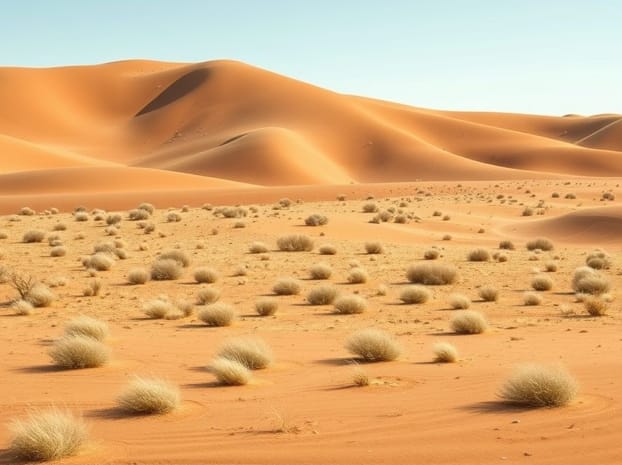
How Does Overgrazing Lead To Desertification?
When people talk about environmental problems, one issue that often comes up is desertification. This is the process where once-productive land gradually turns into desert, losing its ability to support crops, vegetation, or even wildlife. Among the many causes of desertification, overgrazing is one of the most significant. Overgrazing happens when livestock such as cattle, sheep, or goats feed on the land more than it can naturally recover. Over time, this constant pressure damages the soil, reduces vegetation cover, and creates a chain reaction that severely impacts the ecosystem. Understanding how overgrazing leads to desertification helps communities, farmers, and policymakers take meaningful action to protect the land and ensure sustainable practices for the future.
What Is Overgrazing?
Overgrazing occurs when animals graze plants repeatedly and too intensely, preventing the vegetation from regrowing. Normally, grazing can benefit ecosystems by encouraging new plant growth and maintaining biodiversity. However, when the balance is lost due to excessive numbers of livestock or lack of rotational grazing, the land suffers. Without enough time for plants to recover, the soil becomes exposed, fragile, and susceptible to erosion. This not only affects farmers’ livelihoods but also threatens food security and environmental stability.
The Process of Desertification Through Overgrazing
Desertification caused by overgrazing does not happen overnight. It is a gradual process that unfolds through several interconnected stages. The damage becomes evident when grasslands and pastures lose their natural productivity and resilience. The following steps explain how this process occurs
1. Loss of Vegetative Cover
When livestock graze too heavily, plants cannot photosynthesize efficiently, and their roots weaken. As a result, grasses and shrubs that once held the soil in place disappear. This exposes bare soil to wind and water, increasing the risk of erosion. With fewer plants to trap moisture and nutrients, the land starts to dry out and lose its fertility.
2. Soil Degradation
Healthy soil is rich in organic matter and microorganisms that support plant growth. Overgrazing disrupts this balance by compacting the soil with the hooves of animals and reducing organic input from decaying plants. Compacted soil prevents water from infiltrating, leading to surface runoff and reduced groundwater recharge. Over time, the soil becomes less fertile and incapable of supporting vegetation.
3. Erosion by Wind and Water
Once the soil loses its protective plant cover, it is vulnerable to erosion. Strong winds can blow away the nutrient-rich topsoil, while heavy rains wash it into rivers and streams. Erosion strips the land of its fertility, making it extremely difficult for plants to reestablish. This vicious cycle accelerates the march toward desertification.
4. Decline in Biodiversity
Overgrazing not only affects the soil but also harms local biodiversity. Native plants are replaced by invasive species or weeds that are less nutritious for animals. Wildlife that depends on diverse vegetation for food and shelter suffers as well. The ecosystem becomes less resilient, and desert-like conditions start to dominate.
5. Transition to Desert-like Conditions
Eventually, the land loses its capacity to sustain any significant vegetation. What was once fertile grassland or savannah may transform into barren, dusty terrain. This stage represents full desertification, where the land can no longer recover naturally without significant human intervention.
Real-World Impacts of Overgrazing-Induced Desertification
The consequences of desertification caused by overgrazing extend beyond just the land. It affects communities, economies, and the environment as a whole. Some of the major impacts include
- Food insecurityFarmers and herders struggle to feed their animals and grow crops on degraded land.
- Water scarcityWith less vegetation, rainfall is less effectively absorbed, leading to reduced groundwater recharge and dry rivers.
- Poverty and migrationCommunities dependent on livestock are forced to migrate in search of better land, often leading to conflict.
- Loss of ecosystem servicesDegraded land loses its ability to regulate climate, store carbon, and support biodiversity.
Preventing Overgrazing and Desertification
While the effects of overgrazing are severe, they are not irreversible. Communities can adopt sustainable land management practices to prevent desertification and restore degraded areas. Some effective solutions include
Rotational Grazing
Rotational grazing involves moving livestock between pastures to give plants time to recover. This method allows vegetation to regrow naturally, reduces soil compaction, and improves overall pasture health.
Controlled Livestock Numbers
Limiting the number of animals to match the carrying capacity of the land prevents excessive pressure on vegetation. This ensures that the natural balance between grazing and regrowth is maintained.
Reforestation and Afforestation
Planting trees and shrubs helps stabilize the soil, improve moisture retention, and provide shade. Vegetation restoration projects are essential to reversing the effects of overgrazing.
Soil Conservation Techniques
Techniques such as terracing, contour plowing, and mulching reduce erosion and improve soil fertility. These methods help maintain the land’s productivity even in areas prone to overgrazing.
Community Awareness and Education
Educating local farmers and herders about sustainable practices plays a critical role. By understanding the long-term risks of overgrazing, communities are more likely to adopt environmentally friendly solutions.
Global Examples of Overgrazing and Desertification
Several regions around the world illustrate how overgrazing can push land toward desertification. For example, parts of Sub-Saharan Africa, particularly in the Sahel region, have experienced severe land degradation due to the combination of overgrazing, drought, and climate change. Similarly, in Mongolia and northern China, overstocking of livestock has led to widespread desert-like conditions, threatening local livelihoods and biodiversity. These examples highlight the importance of managing grazing practices to protect the environment and human well-being.
The Link Between Overgrazing, Climate Change, and Desertification
Climate change intensifies the impact of overgrazing on desertification. Rising temperatures and irregular rainfall reduce vegetation recovery rates, while degraded land releases stored carbon into the atmosphere, further accelerating global warming. This creates a dangerous feedback loop where climate change and overgrazing-driven desertification reinforce each other, worsening environmental degradation.
Overgrazing is one of the leading causes of desertification, and its impacts are felt worldwide. By stripping the land of vegetation, compacting the soil, and promoting erosion, overgrazing sets off a chain reaction that leads to the gradual transformation of fertile land into barren desert. However, with effective management strategies such as rotational grazing, soil conservation, and community education, it is possible to prevent and even reverse this process. Protecting the land from desertification not only safeguards food security and livelihoods but also plays a vital role in combating climate change and preserving biodiversity for future generations.