How Does Ambidexterity Affect The Brain?
Ambidexterity, the ability to use both the left and right hands with equal skill, has fascinated scientists, educators, and neurologists for decades. While most people have a dominant hand that they naturally favor for tasks such as writing, eating, and throwing, ambidextrous individuals demonstrate remarkable flexibility and coordination. This unique ability does not just affect manual skills it also has significant implications for brain function, neural development, and cognitive performance. Understanding how ambidexterity impacts the brain can provide insight into lateralization, neural plasticity, and the potential cognitive advantages associated with being able to use both hands effectively.
The Neurological Basis of Ambidexterity
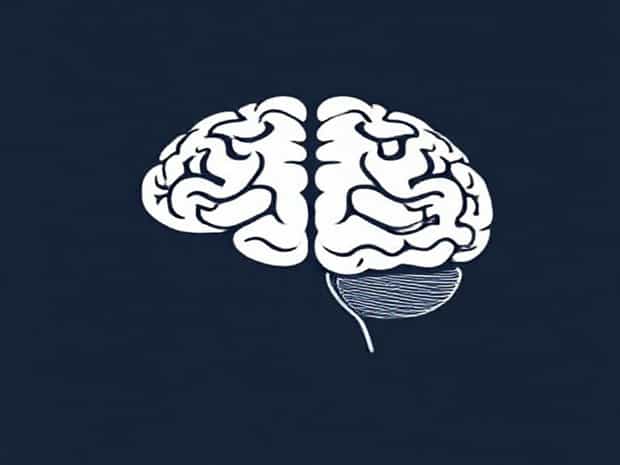
The brain controls motor function through a complex network of neurons that communicate across hemispheres via the corpus callosum. In right-handed individuals, the left hemisphere is typically dominant for fine motor control and language processing, whereas the right hemisphere manages spatial awareness and creativity. Ambidextrous individuals, however, often exhibit a more balanced use of both hemispheres. This bilateral coordination can result in enhanced communication between the two sides of the brain, promoting flexibility in cognitive tasks and motor functions.
Brain Plasticity and Hand Dominance
Neuroplasticity refers to the brain’s ability to reorganize itself by forming new neural connections throughout life. Ambidexterity may enhance neuroplasticity by encouraging the brain to adapt and coordinate movements across both hemispheres. Individuals who train themselves to use their non-dominant hand regularly can experience improvements in fine motor skills, hand-eye coordination, and even cognitive functions such as problem-solving, memory, and attention. Research indicates that this increased plasticity can contribute to overall brain resilience, potentially reducing the risk of certain neurological disorders.
Cognitive Impacts of Ambidexterity
Ambidexterity has been linked to several cognitive benefits, although it is important to note that research is ongoing and sometimes contradictory. The ability to engage both hemispheres simultaneously can enhance certain mental processes, particularly those that require creativity, multitasking, and spatial reasoning. For example, ambidextrous individuals may show improved performance in tasks that involve switching between different types of thinking or integrating complex information from multiple sources.
Enhanced Problem-Solving Skills
- Ambidextrous individuals often demonstrate greater cognitive flexibility, allowing them to approach problems from multiple angles.
- Balanced hemispheric activation supports both logical reasoning and creative thinking, improving the ability to devise innovative solutions.
- This enhanced problem-solving capacity can be particularly advantageous in academic, professional, and artistic endeavors.
Memory and Attention
Some studies suggest that ambidexterity may influence working memory and attentional control. By using both hands, individuals may stimulate more widespread neural networks, which can enhance information retention and focus. While dominant-hand usage often reinforces specific neural pathways, ambidextrous activity encourages broader engagement of the brain, potentially leading to better memory performance and sustained attention.
Motor Coordination and Skill Acquisition
The most apparent impact of ambidexterity is on motor coordination. Training both hands equally requires the brain to develop more symmetrical control over muscles, improving dexterity, precision, and coordination. This enhanced motor skill set can be beneficial for activities that demand fine motor control, such as playing musical instruments, drawing, sports, and complex manual tasks in professional settings. The repeated use of both hands also strengthens the corpus callosum, which may facilitate faster communication between hemispheres and more coordinated movements.
Potential Challenges and Misconceptions
While ambidexterity has several benefits, it is not without potential drawbacks. Some research suggests that true ambidexterity is rare and that partial ambidexterity may come with challenges related to cognitive control and lateralization. For example, some studies have found that mixed-handed individuals may exhibit higher levels of anxiety or reduced consistency in hand-specific tasks. Additionally, societal and educational systems often favor right-handedness, which can create obstacles for ambidextrous individuals in certain activities like writing or using standardized tools.
Neurological Misconceptions
- It is a common misconception that ambidexterity automatically leads to superior intelligence or creativity. While there are cognitive benefits, they are context-dependent and vary among individuals.
- Another misconception is that ambidexterity guarantees better multitasking. While balanced hemispheric engagement may improve flexibility, successful multitasking also depends on other factors such as working memory, experience, and task complexity.
Training for Ambidexterity
Although true natural ambidexterity is rare, individuals can train themselves to become more proficient with their non-dominant hand. Exercises such as writing, drawing, or performing daily tasks with the opposite hand can gradually improve coordination and promote neural plasticity. Professional musicians, athletes, and artists often engage in ambidextrous training to enhance performance, coordination, and adaptability. Such training not only strengthens motor pathways but may also stimulate cognitive benefits by engaging multiple brain regions simultaneously.
Practical Exercises
- Writing or drawing with the non-dominant hand.
- Performing routine activities, such as brushing teeth or eating, with the opposite hand.
- Playing musical instruments that require bilateral hand coordination.
- Engaging in sports or games that demand equal use of both hands, such as basketball or table tennis.
- Practicing tasks that require both hands to work independently, like typing or drumming.
Implications for Brain Health
Ambidexterity has broader implications for overall brain health. By promoting bilateral engagement, ambidextrous activity may enhance cognitive reserve, improve adaptability, and potentially delay age-related cognitive decline. While more research is needed to fully understand these effects, stimulating both hemispheres through ambidextrous activity is generally considered beneficial for maintaining neural connectivity and cognitive vitality throughout life.
Summary of Benefits
- Enhanced motor coordination and fine motor skills.
- Improved cognitive flexibility and problem-solving ability.
- Potential memory and attention benefits.
- Stronger interhemispheric communication via the corpus callosum.
- Increased neural plasticity and potential brain resilience.
Ambidexterity is more than a rare skill it represents a fascinating interaction between the body and the brain. By using both hands effectively, individuals can stimulate neural pathways, enhance motor coordination, and potentially improve cognitive functions such as problem-solving, attention, and creativity. While true ambidexterity is uncommon, training to develop non-dominant hand skills can encourage neuroplasticity and interhemispheric communication, providing benefits for brain health and daily performance. Understanding how ambidexterity affects the brain highlights the remarkable adaptability of neural systems and the potential advantages of engaging both sides of the brain in a balanced manner.