How Does A Turbofan Engine Start?
Starting a turbofan engine is a fascinating process that involves precise engineering, careful sequencing, and an understanding of complex mechanical and aerodynamic principles. Turbofan engines, commonly used in commercial and military aircraft, are designed to provide efficient thrust while reducing noise and fuel consumption. Unlike piston engines, turbofan engines operate on the principles of jet propulsion, relying on the controlled combustion of fuel to accelerate air and generate thrust. Understanding how a turbofan engine starts provides insight into the intricate systems that enable modern air travel and highlights the sophisticated technology required to power large aircraft safely and efficiently.
Overview of a Turbofan Engine
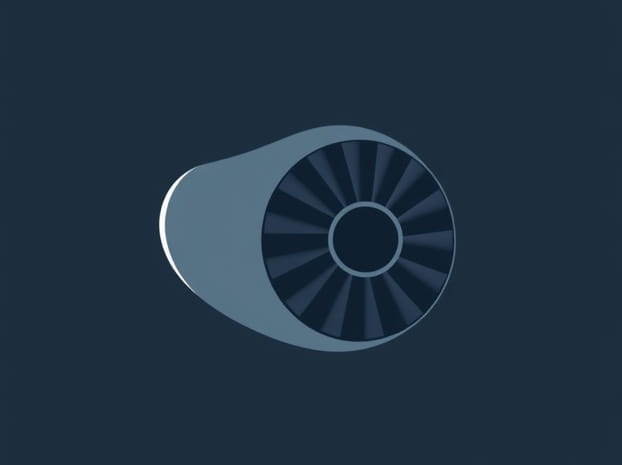
A turbofan engine consists of several key components, each playing a crucial role in the engine’s operation. The primary sections include the fan, compressor, combustion chamber, turbine, and exhaust nozzle. Air enters the engine through the fan, where a portion bypasses the core, generating additional thrust, while the remainder passes through the compressor to the combustion chamber. Fuel is injected into the combustion chamber, ignited, and the resulting high-pressure gases expand through the turbine, producing mechanical energy that drives the fan and compressor. Finally, exhaust gases exit through the nozzle, generating thrust that propels the aircraft forward. Starting the engine requires initiating rotation of the fan and compressor while ensuring proper fuel ignition and airflow management.
Starter Systems
To begin the starting process, turbofan engines rely on a starter system, which provides the initial rotation of the engine components until combustion is self-sustaining. There are several types of starter systems commonly used in turbofan engines
- Electric StartersThese use an electric motor to spin the engine’s high-pressure spool and initiate airflow through the compressor and fan.
- Air StartersCompressed air, often supplied from an auxiliary power unit (APU) or ground-based source, drives a pneumatic turbine connected to the engine shaft.
- Hydraulic StartersIn some cases, pressurized hydraulic fluid is used to rotate the engine, though this method is less common in modern commercial turbofan engines.
Step-by-Step Starting Process
The starting process of a turbofan engine is carefully controlled to ensure safety and efficiency. It can be broken down into several steps
1. Pre-Start Checks
Before the engine is started, pilots or ground crew perform a series of pre-start checks. These include verifying fuel supply, ensuring proper electrical and hydraulic system status, checking that all engine parameters are within safe limits, and confirming that no external obstructions exist. Pre-start checks are critical to prevent damage to the engine and ensure that it operates correctly from the moment ignition occurs.
2. Engaging the Starter
Once pre-start checks are complete, the starter system is engaged. In commercial aircraft, the auxiliary power unit (APU) often provides the necessary electrical or pneumatic power. When the starter is activated, it begins to rotate the engine’s high-pressure spool, including the fan, compressor, and turbine components. This rotation draws air into the engine, creating the necessary conditions for combustion.
3. Ignition System Activation
While the engine is being spun by the starter, the ignition system is activated. Turbofan engines use high-energy spark igniters located in the combustion chamber to ignite the fuel-air mixture. These igniters create sparks at precise moments, ensuring reliable ignition when fuel is introduced. The timing of ignition is critical, as improper spark timing can prevent the engine from starting or cause damage.
4. Fuel Introduction
With the engine spinning and the ignition system ready, fuel is introduced into the combustion chamber. Modern turbofan engines use sophisticated fuel control systems that precisely meter the correct amount of fuel based on engine speed, air pressure, and temperature. As fuel mixes with the incoming air and is ignited by the spark igniters, combustion begins, generating hot, high-pressure gases that expand through the turbine.
5. Self-Sustaining Combustion
Once combustion begins, the engine reaches a self-sustaining state. The energy produced by the expanding gases drives the turbine, which in turn powers the compressor and fan. At this stage, the starter can be disengaged because the engine no longer requires external assistance to maintain rotation. Monitoring systems ensure that parameters such as exhaust gas temperature, oil pressure, and rotational speed remain within safe limits during this transition.
6. Acceleration to Idle Speed
After the starter is disengaged, the engine accelerates to idle speed. This is the minimum stable operating speed at which the engine can maintain combustion and provide sufficient airflow for aircraft systems. Pilots monitor engine instruments to confirm that the engine has started successfully and is operating normally. Idle speed allows the engine to be ready for further throttle inputs during taxi, takeoff, and climb.
Role of Auxiliary Power Unit (APU)
The auxiliary power unit plays a critical role in starting turbofan engines, particularly on commercial aircraft. The APU is a small turbine engine located in the tail of the aircraft that provides electrical power, hydraulic pressure, and compressed air to start the main engines. By supplying pneumatic energy to the engine starter, the APU ensures that the high-pressure spool rotates and that sufficient airflow reaches the combustion chamber for ignition. The APU is essential for ground operations, allowing engines to be started independently of external power sources.
Safety Measures During Engine Start
Starting a turbofan engine involves significant mechanical energy and high temperatures, so safety measures are crucial. Ground crews and pilots follow strict protocols to prevent accidents, including
- Maintaining safe distances from engine intakes and exhaust to avoid injury from high-velocity air and hot gases.
- Ensuring that no foreign objects are present near the engine, which could be ingested and cause damage.
- Monitoring engine parameters closely during start to detect abnormalities such as over-temperature, over-speed, or fuel flow irregularities.
- Using checklists and interlocks that prevent engine start unless all systems are properly configured.
The process of starting a turbofan engine is a carefully orchestrated sequence of mechanical and electronic actions designed to ensure safe, efficient, and reliable operation. From pre-start checks to starter engagement, ignition, fuel introduction, and acceleration to idle, each step is crucial in bringing the engine to life. Modern turbofan engines incorporate sophisticated starter systems, fuel controls, and monitoring equipment to facilitate this process, often assisted by an auxiliary power unit. Understanding how a turbofan engine starts provides insight into the complexity of aviation technology and highlights the engineering excellence required to power modern aircraft safely and efficiently. Whether for commercial airliners or military jets, the principles of turbofan engine starting remain fundamental to the operation of today’s high-performance aircraft.
Overall, starting a turbofan engine is more than just flipping a switch; it is the result of precise coordination between mechanical components, fuel and ignition systems, and auxiliary equipment. Each step is designed to ensure that the engine transitions smoothly from a non-operational state to producing reliable thrust. This process reflects the sophistication of modern aviation and underscores the importance of engineering, safety protocols, and proper operational procedures in achieving consistent and safe flight operations. For anyone interested in aerospace or mechanical engineering, understanding turbofan engine startup sequences provides a window into the complex world of aircraft propulsion.