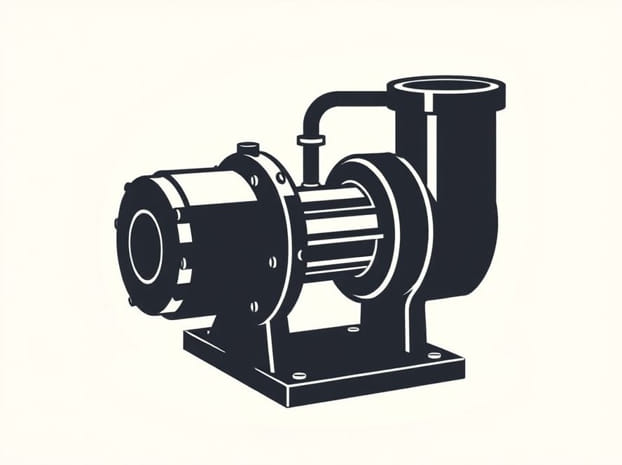
How Does A Triplex Pump Work?
Triplex pumps are widely used in industries where high-pressure fluid delivery is essential, such as oil and gas, chemical processing, and water treatment. These pumps are known for their efficiency, reliability, and ability to handle demanding applications. Understanding how a triplex pump works provides insight into its design, functionality, and advantages over other types of pumps. A triplex pump operates using three pistons or plungers that work in a synchronized manner to ensure a continuous flow of liquid at high pressure. Its design allows for smooth operation, minimal pulsation, and precise control of flow rate, making it an essential component in many industrial processes.
Basic Principle of Triplex Pump Operation
A triplex pump is a type of positive displacement pump, which means it moves a fixed amount of fluid with each cycle. The term triplex refers to the three plungers or pistons that operate in parallel. These pistons are driven mechanically by a crankshaft or other actuating mechanism. As the pistons move back and forth inside their cylinders, they draw fluid into the pump during the suction stroke and force it out at high pressure during the discharge stroke. The coordinated movement of the three pistons ensures a near-continuous flow, reducing pulsation and maintaining steady pressure in the system.
Key Components of a Triplex Pump
- Pistons or PlungersThe primary moving components that pressurize and move the fluid.
- CrankshaftConverts rotational motion into reciprocating motion for the pistons.
- Valve SystemComprises suction and discharge valves that control fluid entry and exit from the cylinders.
- Fluid CylindersHouses the pistons and provides the chamber for fluid compression.
- Pump HeadThe section of the pump containing the cylinder and valve assembly, typically designed to withstand high pressures.
Working Mechanism of a Triplex Pump
The operation of a triplex pump can be divided into four main stages suction, compression, discharge, and refill. These stages occur simultaneously in the three cylinders, but in a staggered manner to maintain continuous flow.
Suction Stroke
During the suction stroke, the piston moves outward from the cylinder, creating a vacuum inside. This vacuum causes fluid to be drawn into the cylinder through the suction valve. The valve ensures that fluid enters the cylinder only and prevents backflow. Since the triplex pump has three pistons, at least one piston is always on the suction stroke at any given time, contributing to continuous fluid intake.
Compression Stroke
As the piston moves back toward the cylinder, it compresses the fluid inside. This compression increases the pressure of the liquid and prepares it for discharge. The compression stroke is critical because it determines the pump’s output pressure. The synchronized movement of the three pistons ensures that the pressure is balanced and steady, preventing surges or drops that could affect downstream equipment.
Discharge Stroke
Once the fluid reaches the required pressure, the discharge valve opens, allowing the high-pressure fluid to exit the cylinder and enter the delivery pipeline. The discharge valve ensures that fluid flows in one direction only and prevents backflow into the cylinder. The triplex configuration ensures that as one piston discharges fluid, the others are either compressing or suctioning, maintaining a continuous and smooth flow.
Refill and Continuous Operation
After completing the discharge stroke, the piston begins a new suction stroke, and the cycle repeats. The continuous staggered operation of the three pistons reduces pulsation compared to single-piston or duplex pumps. This continuous operation is particularly important in high-pressure applications where smooth flow is critical for process stability and equipment longevity.
Advantages of Triplex Pumps
Triplex pumps offer several advantages that make them preferable in various industrial applications
High Pressure Capability
Triplex pumps can generate very high pressures, often exceeding thousands of psi, making them suitable for tasks such as pressure testing, hydraulic fracturing, and high-pressure cleaning.
Reduced Pulsation
The three-piston arrangement ensures that there is always a piston discharging fluid, which smooths out the flow and reduces pressure fluctuations. This is essential in processes where pulsation could damage equipment or compromise performance.
Durability and Reliability
These pumps are designed to handle abrasive and viscous fluids while maintaining long service life. The robust construction of cylinders, pistons, and valves contributes to their durability.
Precise Flow Control
Triplex pumps allow for accurate control of flow rates, which is critical in applications requiring precise dosing or injection of fluids.
Applications of Triplex Pumps
Due to their high-pressure capability, reliability, and continuous flow characteristics, triplex pumps are used in a wide range of industries
- Oil and GasUsed for hydraulic fracturing, well stimulation, and pipeline testing.
- Chemical IndustryFor dosing and transferring chemicals accurately.
- Water TreatmentHigh-pressure cleaning, reverse osmosis feed, and water injection systems.
- Food and BeverageHandling viscous fluids such as syrups and pastes under controlled conditions.
- ConstructionFor high-pressure grouting and concrete pumping in specialized projects.
Maintenance and Operational Considerations
Maintaining a triplex pump involves regular inspection of pistons, valves, seals, and cylinders. Proper lubrication of moving parts, monitoring pressure levels, and ensuring correct alignment of the crankshaft are essential for smooth operation. Neglecting maintenance can lead to wear, reduced efficiency, or even catastrophic failure. Understanding how the pump works helps operators troubleshoot issues and optimize performance.
Common Maintenance Practices
- Regular replacement of worn seals and gaskets to prevent leakage.
- Periodic inspection of valves for clogging or damage.
- Lubrication of bearings and crankshaft to reduce friction.
- Monitoring and adjusting pressure settings to prevent overloading.
- Cleaning or replacing cylinders and pistons to maintain efficiency.
Triplex pumps are an essential tool in industries requiring high-pressure fluid delivery with minimal pulsation. Understanding how a triplex pump works through the coordinated action of three pistons, suction and discharge valves, and a crankshaft mechanism provides insight into its efficiency and reliability. These pumps combine durability, precise flow control, and high-pressure capability, making them suitable for applications ranging from hydraulic fracturing to chemical dosing. Proper operation and maintenance ensure long service life and consistent performance, highlighting the importance of knowledge in pump mechanics for engineers, operators, and industry professionals. The triplex pump’s design exemplifies how mechanical ingenuity can achieve both high performance and operational stability in demanding industrial environments.