How Do Whales Beach Themselves
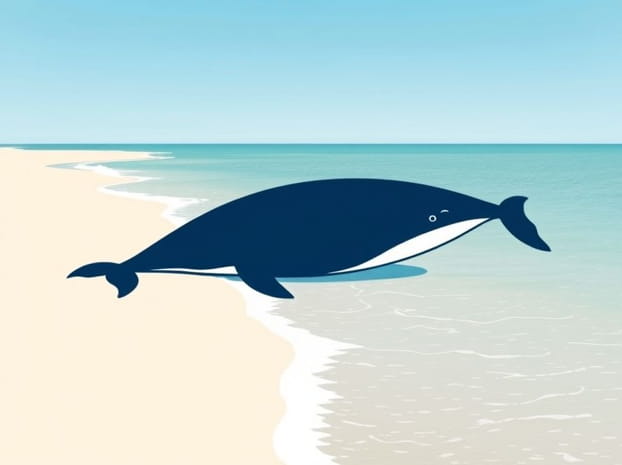
Whale beaching, also known as stranding, is a phenomenon where whales end up on shore, unable to return to deeper waters. This event can involve a single individual or, in some cases, entire pods, and has intrigued scientists, marine biologists, and conservationists for centuries. The reasons why whales beach themselves are complex and multifactorial, involving a combination of environmental, biological, and human-induced factors. Understanding the causes and mechanisms behind whale strandings is crucial for wildlife management, rescue efforts, and preserving marine ecosystems. Each stranding event provides valuable insight into the behavior, health, and challenges faced by these majestic marine mammals.
Understanding Whale Beaching
Whale beaching occurs when a whale becomes stranded on land, usually along a coastline, and cannot return to the sea without assistance. Beached whales often face life-threatening risks, including dehydration, sunburn, and organ failure caused by the immense weight of their own bodies pressing against the shore. Scientists classify strandings into two types individual strandings and mass strandings, each with different underlying causes. By studying these events, researchers aim to uncover patterns that may help prevent strandings and improve rescue operations.
Types of Whale Strandings
- Individual strandings Single whales become stranded, often due to illness, injury, or navigational errors.
- Mass strandings Groups of whales, sometimes entire pods, beach themselves simultaneously, often caused by social behavior, environmental disturbances, or sonar interference.
Environmental Factors
Environmental conditions play a significant role in whale strandings. Coastal topography, tidal patterns, and water depth can influence whether a whale becomes trapped near the shore. Shallow waters or gently sloping beaches can disorient whales, making it difficult for them to navigate back to deeper areas. Additionally, extreme weather events, such as storms and hurricanes, can drive whales closer to shore. Changes in water temperature and salinity may also disrupt their migratory routes or prey availability, indirectly increasing the risk of beaching.
- Shallow waters and sloping coastlines increase stranding risk.
- Storms and rough seas may push whales toward shore.
- Temperature and salinity changes can disrupt migration.
- Low tides can leave whales stranded on exposed sandbars.
Biological Factors
Whales rely on complex biological systems for navigation, communication, and hunting. Illness, injury, or disorientation can impair a whale’s ability to navigate, resulting in beaching. Some strandings occur due to infections, parasites, or internal injuries that weaken the animal. Age and experience also play a role; young or inexperienced whales may misjudge tidal patterns or coastal terrain. Moreover, whales are highly social animals, and the strong bonds within pods mean that if one whale becomes stranded, others may follow, leading to mass strandings.
- Illness or parasitic infections impair navigation.
- Physical injuries limit mobility and orientation.
- Young or inexperienced whales misjudge shallow waters.
- Social cohesion in pods can lead to group strandings.
- Stress or confusion affects decision-making during migration.
Human-Induced Factors
Human activities in the oceans can also contribute to whale strandings. Noise pollution from naval sonar, shipping traffic, and underwater construction can disrupt whales’ echolocation and navigation abilities. Sonar in particular has been linked to panic responses and disorientation in some cetaceans, prompting rapid movement toward shallow waters. Pollution and chemical contamination can weaken immune systems, making whales more vulnerable to illness and disorientation. Climate change and overfishing can alter prey distribution, indirectly forcing whales into unfamiliar coastal areas in search of food.
- Underwater noise interferes with echolocation and orientation.
- Sonar use can trigger panic and rapid coastal movement.
- Pollution and toxins weaken health and navigational abilities.
- Changes in prey distribution drive whales into shallow waters.
- Overfishing and habitat disruption increase stress and disorientation.
Behavioral Factors
Behavioral patterns of whales can also contribute to beaching. Certain species, such as pilot whales, display strong social cohesion and follow pod leaders blindly. If a lead whale becomes stranded, others may follow. Additionally, some whales may chase prey too close to the shore or become trapped while escaping predators. Navigational errors, particularly in areas with gently sloping beaches or complex underwater topography, can also lead to accidental strandings. Understanding these behavioral tendencies helps researchers predict high-risk areas for whale strandings.
- Strong pod cohesion causes group strandings.
- Chasing prey near shore increases stranding risk.
- Escaping predators may drive whales into shallow waters.
- Navigational errors in complex coastal areas lead to accidental beaching.
- Species-specific behaviors influence stranding patterns.
Consequences of Whale Strandings
When whales beach themselves, the consequences are often severe. Stranded whales face dehydration, sunburn, and physical trauma from their own weight pressing against internal organs. In mass strandings, social stress and crowding exacerbate these risks. Many stranded whales die if they are not rescued promptly. For surviving whales, beaching events can cause long-term stress and physical injury. Strandings also have ecological impacts, as decomposing carcasses provide nutrients for coastal ecosystems but can disrupt local communities and attract scavengers.
- Dehydration and overheating from exposure.
- Physical trauma due to body weight on land.
- Stress and social disruption, especially in pods.
- Mortality rates are high without intervention.
- Ecological impacts on coastal environments from carcasses.
Rescue Efforts and Prevention
Rescue operations for stranded whales involve coordinated efforts by scientists, volunteers, and wildlife agencies. Techniques include keeping the whale wet, preventing overheating, and carefully moving the animal back into deeper waters. In some cases, temporary enclosures or slings are used to support larger whales during rescue. Prevention strategies focus on reducing human-induced stressors, monitoring whale migration routes, and improving early-warning systems. Public education and rapid response plans are crucial for minimizing mortality during stranding events.
- Keeping stranded whales hydrated and cool.
- Using slings or cranes to move large whales safely.
- Monitoring high-risk coastal areas for early detection.
- Reducing noise pollution and harmful human activities in oceans.
- Educating the public and coordinating volunteer rescue efforts.
Whale beaching is a complex phenomenon influenced by environmental, biological, behavioral, and human-induced factors. Shallow waters, navigational errors, illness, social cohesion, and noise pollution all contribute to why whales strand themselves. The consequences of stranding can be fatal, making rescue efforts and preventive measures essential for conservation. By understanding the factors behind whale beaching, scientists can develop strategies to protect these majestic marine mammals, ensure the stability of marine ecosystems, and enhance public awareness about the challenges whales face in increasingly human-impacted oceans.