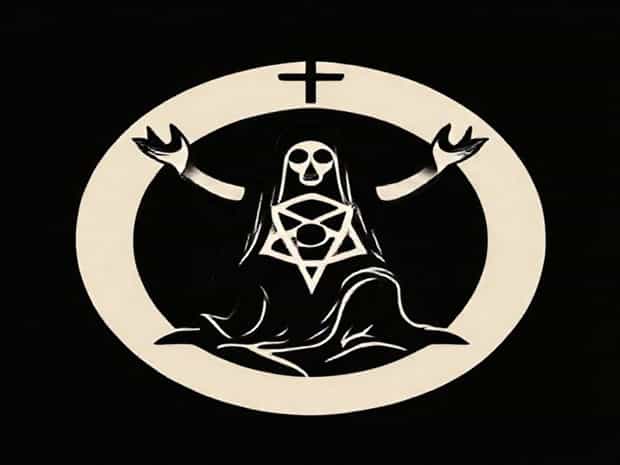
How Do Satanist Worship
Satanism is often misunderstood and surrounded by myths and sensationalized media portrayals. Many people assume that Satanists engage in dark rituals or criminal activity, but in reality, Satanism encompasses a diverse range of beliefs and practices, some of which are symbolic, philosophical, or ritualistic rather than literal worship of a supernatural being. Understanding how Satanists worship requires distinguishing between different forms of Satanism, such as LaVeyan Satanism, Theistic Satanism, and modern occult practices. These practices focus on personal empowerment, ethical individualism, or spiritual connection rather than the stereotypical image of devil worship depicted in popular culture.
Types of Satanism
Satanism is not a monolithic religion; it encompasses several traditions, each with distinct beliefs, rituals, and approaches to worship. The two primary forms are LaVeyan Satanism, founded by Anton LaVey in the 1960s, and Theistic Satanism, which involves devotion to a literal deity often identified as Satan. Additionally, there are eclectic and modern occult traditions that incorporate elements of ritual magic, symbolism, or philosophical Satanism.
LaVeyan Satanism
LaVeyan Satanism, as codified in the Church of Satan, emphasizes atheistic principles and sees Satan as a symbol of individualism, freedom, and personal empowerment rather than a literal being. Worship in this context does not involve praying to Satan but instead focuses on rituals that express self-affirmation, psychological catharsis, or symbolic rebellion against perceived societal constraints. Rituals may include the recitation of texts from The Satanic Bible, ceremonial gestures, and symbolic acts intended to channel personal energy or reinforce intention.
Theistic Satanism
Theistic Satanists, in contrast, view Satan as a real entity and may engage in devotional practices that resemble conventional religious worship. Their rituals can include prayers, invocations, and offerings, often performed in private or within a small community. Theistic Satanists may seek guidance, knowledge, or empowerment through their relationship with Satan, framing their worship as a spiritual pursuit rather than an act of malice or harm. The practices vary widely depending on individual interpretation and tradition.
Common Rituals and Practices
Satanic rituals are diverse and often symbolic. They are designed to align participants with their philosophical beliefs, affirm personal values, or create a sense of spiritual focus. Contrary to popular myth, most Satanic rituals do not involve harm to others or illegal activity. Instead, they are psychological, symbolic, or artistic in nature, reflecting the values and intentions of the practitioners.
Ceremonial Rituals
Ceremonial rituals in Satanism often involve structured ceremonies with specific symbols, words, and gestures. Participants may use an altar, candles, ritual tools, and texts like The Satanic Bible. These rituals serve as a form of meditation, self-affirmation, or symbolic enactment of personal goals. For example, a ritual may celebrate independence, confront fear, or mark a significant personal milestone. The ceremonial aspect creates a focused environment for reflection, intention-setting, and empowerment.
Symbolic Practices
Symbols play a significant role in Satanic worship. The inverted pentagram, Baphomet, and other sigils are often used as visual representations of Satanic principles such as individualism, rebellion against arbitrary authority, and rational self-interest. Wearing symbolic jewelry, displaying images, or performing symbolic gestures are common ways Satanists express their beliefs and maintain a sense of spiritual identity.
Personal Empowerment and Meditation
Many Satanic practices emphasize personal empowerment rather than the worship of a deity. Meditation, reflection, and ritualized focus help practitioners gain clarity, overcome personal challenges, or reinforce their philosophical beliefs. These practices may involve affirmations, visualizations, or ritualized actions that embody the values of strength, self-reliance, and autonomy. Satanic worship in this context is largely introspective, aiming to cultivate confidence, ethical self-interest, and a sense of mastery over one’s life.
Ethical Principles and Moral Focus
Ethics are central to many forms of Satanism, especially LaVeyan Satanism, which promotes principles such as personal responsibility, rational self-interest, and respect for others’ autonomy. Rituals and worship often reflect these ethical values, emphasizing empowerment and self-improvement rather than malevolence. The idea of worship in this context is symbolic a commitment to personal ideals and the conscious exercise of free will rather than veneration of a supernatural being.
Community and Social Engagement
While Satanic worship can be private and introspective, many Satanists also participate in social gatherings, group rituals, or online communities. These gatherings provide support, shared ritual experiences, and opportunities to discuss philosophy and ethics. Community rituals may include celebratory events, symbolic initiations, or public advocacy for secularism, freedom of thought, and civil liberties. In these settings, worship becomes both a personal and communal expression of values.
Misconceptions About Satanic Worship
Satanism is frequently misunderstood due to cultural myths, sensationalist media, and religious prejudice. Popular depictions often exaggerate or misrepresent Satanic worship, associating it with criminal activity, animal sacrifice, or harmful behavior. In reality, most Satanists adhere to legal, ethical, and symbolic practices. Misconceptions can lead to fear, stigma, and misunderstanding, making education and accurate representation critical for understanding modern Satanic practices.
Clarifying Misunderstandings
- Most Satanic rituals are symbolic and do not involve illegal or harmful acts.
- Satanism can be atheistic, philosophical, or devotional, depending on the tradition.
- The focus is often on personal growth, empowerment, and ethical principles rather than malevolent worship.
- Community events are typically educational, social, or ceremonial, rather than sinister gatherings.
Understanding how Satanists worship requires a nuanced perspective that distinguishes between philosophy, symbolism, and literal devotion. LaVeyan Satanists focus on self-empowerment, ritualized symbolism, and ethical individualism, while Theistic Satanists engage in devotional practices to a perceived spiritual entity. Rituals can include ceremonial acts, meditation, symbolic gestures, and ethical reflection, with the overarching goal of personal development and philosophical alignment. Misconceptions about Satanic worship often obscure the reality that these practices are largely introspective, symbolic, and legal. By examining the diverse ways in which Satanists practice their faith, one gains a clearer understanding of a complex, misunderstood belief system that emphasizes autonomy, reflection, and intentional living.