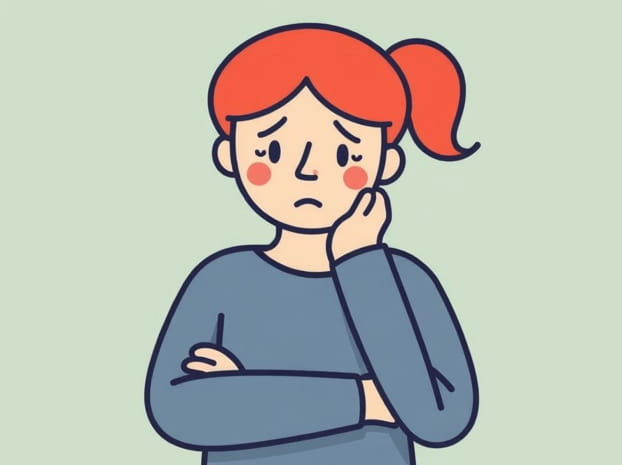
How Do Parents Exasperate Their Children
Every family experiences moments of tension, but sometimes parents unintentionally exasperate their children through behaviors that feel dismissive, controlling, or overwhelming. While most parents want the best for their kids, certain patterns of interaction can create frustration, distance, and even resentment. Exploring the ways parents exasperate their children helps us understand family dynamics more deeply and opens the door to healthier communication. This topic is important because it not only highlights common struggles in households but also suggests better ways to foster respect and trust across generations.
What Does It Mean to Exasperate Children?
To exasperate means to irritate or provoke intense frustration. In the parent-child relationship, exasperation happens when actions, words, or attitudes consistently make children feel unheard, undervalued, or excessively controlled. Unlike occasional disagreements, which are normal, chronic exasperation can harm emotional bonds and affect how children view authority, discipline, and even self-worth.
Common Ways Parents Exasperate Their Children
There are several recurring behaviors that tend to push children toward irritation or rebellion. Some are obvious, while others are subtle but equally impactful.
1. Overly Harsh Discipline
Discipline is essential for guiding children, but when it becomes harsh, inconsistent, or excessive, it can make kids feel powerless. Constant punishment without explanation leaves children confused about what is expected and may push them toward secretive behavior instead of learning accountability.
2. Ignoring Emotional Needs
Parents sometimes overlook the emotional side of childhood by focusing only on achievements, grades, or behavior. When a child’s feelings are minimized or dismissed, it communicates that emotions are unimportant, which can build frustration and emotional distance between parent and child.
3. Favoritism Among Siblings
Even subtle signs of favoritism can exasperate children. When one child feels consistently overlooked compared to a sibling, it breeds jealousy, insecurity, and resentment. Parents may not intend to show favoritism, but small actions or repeated comparisons can create long-lasting wounds.
4. Overprotection and Lack of Freedom
Protecting children is natural, but excessive control over decisions, activities, or friendships often leads to rebellion. When children feel they are not trusted to make age-appropriate choices, they can become frustrated and less confident in their own judgment.
5. Unrealistic Expectations
Parents may project their own dreams and ambitions onto their children, expecting perfect grades, flawless behavior, or success in specific careers. These pressures can exasperate children, making them feel they are never good enough and leading to stress or burnout.
6. Lack of Listening
One of the simplest yet most powerful ways parents exasperate children is by not listening. Interrupting, dismissing, or ignoring their perspectives makes kids feel invisible. Active listening, even during disagreements, helps children feel respected and valued.
7. Inconsistent Rules
Children need structure, but when rules change depending on a parent’s mood, it leads to confusion and frustration. Inconsistency in boundaries teaches children to distrust authority and can create unnecessary tension in daily life.
The Role of Communication
Many sources of exasperation stem from poor communication. Parents sometimes assume children should know better without explaining expectations clearly. On the other side, children may struggle to express themselves openly when they fear judgment. Honest, age-appropriate communication reduces misunderstandings and prevents unnecessary conflict.
Psychological Effects of Exasperation
When children feel constantly exasperated by their parents, the impact can extend beyond daily frustrations. Over time, this dynamic may contribute to
- Lower self-esteem due to constant criticism or comparison
- Rebellion against authority figures, including teachers or future employers
- Emotional withdrawal and reluctance to share personal struggles
- Difficulty forming healthy relationships later in life
Balancing Guidance and Freedom
Children need both guidance and freedom to grow. Parents who lean too heavily toward control risk smothering independence, while those who avoid structure risk leaving children without direction. Striking the right balance reduces the likelihood of exasperation. Encouraging responsibility, allowing room for mistakes, and offering guidance instead of commands all promote healthier relationships.
Examples of Everyday Situations
Sometimes, the small daily interactions matter most. Here are a few examples where parents may unknowingly exasperate their children
- Constantly checking homework without trusting the child’s effort
- Criticizing clothing choices instead of respecting individuality
- Interrupting conversations with phones or distractions
- Comparing the child to friends or relatives
While these actions may seem minor, their repetition can leave lasting impressions on children’s attitudes toward their parents.
How Parents Can Avoid Exasperating Their Children
Awareness is the first step toward change. Parents can take practical steps to reduce exasperation and build stronger bonds
- Practice patience and avoid reacting harshly in the heat of the moment
- Set clear and consistent rules, explained in simple terms
- Show empathy by acknowledging feelings, even when discipline is necessary
- Encourage open conversations without fear of punishment
- Celebrate small achievements without focusing only on perfection
- Model respectful behavior, as children often mirror what they see
The Importance of Empathy
Empathy helps parents step into their child’s shoes and understand situations from their perspective. By asking questions like How would I feel if I were in their place? parents can prevent actions that unintentionally frustrate or belittle their children. Empathy fosters trust and creates a supportive environment for growth.
Generational Differences and Expectations
Modern parenting often looks different from how previous generations were raised. Some parents hold onto traditional expectations, while children grow up in a rapidly changing social environment. This clash can be a major source of exasperation. Recognizing that each generation faces unique challenges helps bridge the gap and promotes understanding.
When Exasperation Turns Harmful
Occasional frustration is normal in families, but persistent exasperation can escalate into deeper issues. If children consistently feel misunderstood, unloved, or excessively controlled, it may affect mental health. Parents should remain alert to warning signs such as withdrawal, sudden anger, or a drop in performance at school. Professional counseling can help families address unresolved conflicts in such cases.
Parents rarely exasperate their children intentionally, but certain habits and patterns can make children feel unheard, pressured, or overly restricted. By recognizing these behaviors and replacing them with patience, empathy, and open communication, families can foster healthier relationships. Understanding how parents exasperate their children is not about placing blame but about creating space for stronger connections, deeper trust, and a more positive family environment. When children feel respected and valued, they are more likely to thrive emotionally and carry that confidence into adulthood.