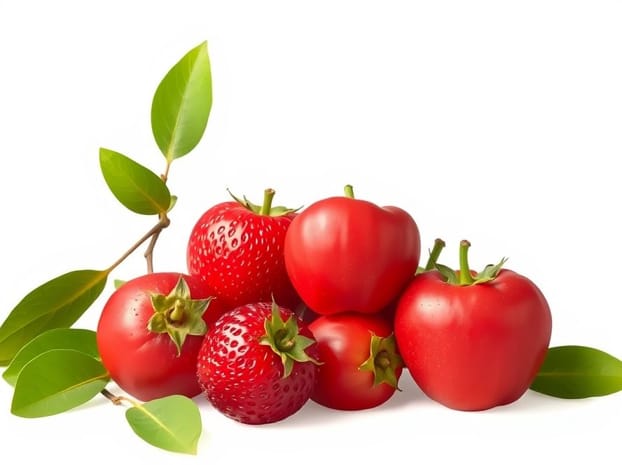
How Do Non Climacteric Fruits Ripen
Fruits play a crucial role in human nutrition, offering essential vitamins, minerals, and fibers that contribute to a healthy diet. Among the different types of fruits, climacteric and non-climacteric fruits exhibit distinct ripening patterns, which influence how they are harvested, stored, and consumed. Non-climacteric fruits, in particular, present a unique ripening process that does not depend on a significant increase in ethylene production or respiratory activity. Understanding how non-climacteric fruits ripen is essential for farmers, food scientists, and consumers, as it affects shelf life, flavor development, and post-harvest management strategies.
Definition of Non-Climacteric Fruits
Non-climacteric fruits are those that do not exhibit a dramatic rise in respiration rate or ethylene production during ripening. Unlike climacteric fruits, which can continue to ripen after being harvested, non-climacteric fruits typically reach their peak ripeness while still attached to the plant. Common examples include grapes, citrus fruits, strawberries, and cherries. Because their ripening is largely controlled by the plant itself rather than by ethylene, timing the harvest is critical to ensure optimal flavor, texture, and nutritional content.
Key Characteristics of Non-Climacteric Fruits
- Ripen on the PlantNon-climacteric fruits generally achieve full ripeness only when they remain attached to the mother plant.
- No Significant Ethylene SurgeThese fruits do not rely on high ethylene levels to initiate or accelerate ripening.
- Stable Post-Harvest QualityNon-climacteric fruits tend to maintain their firmness and flavor for a longer period after harvest compared to climacteric fruits.
- Gradual Ripening ProcessThe development of color, sweetness, and aroma occurs progressively and is heavily influenced by environmental factors such as temperature, sunlight, and water availability.
Physiological Processes Involved in Ripening
The ripening of non-climacteric fruits is a complex process involving multiple physiological changes that occur without the characteristic climacteric spike in respiration. These changes include the accumulation of sugars, degradation of acids, modification of cell wall components, and development of pigments. Each of these processes contributes to the overall quality, flavor, and palatability of the fruit.
1. Sugar Accumulation
One of the primary changes during the ripening of non-climacteric fruits is the increase in sugar content. As the fruit matures, enzymes such as invertase and sucrose synthase convert stored starches and sucrose into simple sugars like glucose and fructose. This sugar accumulation is essential for developing the fruit’s sweetness, which directly impacts its consumer appeal. Since non-climacteric fruits do not rely on ethylene for sugar conversion, environmental factors such as sunlight and temperature play a more significant role in determining the rate and extent of sugar accumulation.
2. Acid Degradation
Alongside sugar accumulation, non-climacteric fruits experience a gradual decrease in organic acids, including citric and malic acid. This acid degradation contributes to the fruit’s overall flavor balance, as the reduction of tartness enhances sweetness perception. The acid breakdown occurs slowly and steadily, often influenced by metabolic activity within the fruit rather than external ethylene exposure. The interplay between acid degradation and sugar accumulation ultimately defines the taste profile of ripe non-climacteric fruits.
3. Pigment Development
Color changes are a visible marker of ripening in non-climacteric fruits. Chlorophyll degradation and the synthesis of anthocyanins, carotenoids, and other pigments transform the fruit’s appearance from green to vibrant shades of red, orange, yellow, or purple. This pigment development not only signals ripeness but also affects nutritional quality, as many pigments have antioxidant properties. Unlike climacteric fruits, non-climacteric fruits develop color gradually, with the process tightly linked to photosynthesis and sunlight exposure rather than ethylene signaling.
4. Cell Wall Modification
Texture changes in non-climacteric fruits are governed by cell wall modifications. Enzymes like pectin methylesterase and polygalacturonase gradually alter pectin and other cell wall components, resulting in slight softening without compromising the fruit’s structural integrity. The slow softening process allows non-climacteric fruits to maintain firmness after harvest, which is advantageous for transportation and storage. The absence of a climacteric burst in respiration means that these changes are more predictable and manageable in post-harvest handling.
Factors Influencing Non-Climacteric Fruit Ripening
The ripening of non-climacteric fruits is heavily influenced by environmental and internal factors, rather than by ethylene. Understanding these factors is crucial for optimizing fruit quality and shelf life.
1. Temperature
Temperature affects metabolic activity within the fruit, influencing sugar synthesis, acid breakdown, and pigment formation. Moderate, consistent temperatures support gradual ripening, while extreme temperatures can disrupt enzymatic activity and compromise flavor and texture.
2. Sunlight Exposure
Sunlight plays a vital role in pigment development and sugar accumulation. Fruits that receive adequate sunlight tend to have more vibrant colors and higher sweetness levels. Shading or uneven light exposure can lead to uneven ripening and reduced market value.
3. Water Availability
Water supply affects cellular metabolism and nutrient transport. Proper hydration ensures steady sugar accumulation and acid degradation, while water stress can slow ripening and negatively impact flavor and texture.
4. Genetic Factors
Intrinsic genetic traits of the fruit determine its inherent ripening timeline, sugar-acid balance, and pigment potential. Cultivar selection and breeding practices can optimize these characteristics to meet market and consumer demands.
Post-Harvest Considerations
Since non-climacteric fruits do not ripen significantly after harvest, timing is critical. Harvesting at the correct stage ensures optimal sweetness, color, and texture. Improper harvesting can result in fruits that fail to achieve full flavor potential. Post-harvest storage should focus on maintaining temperature, humidity, and ventilation to preserve quality rather than attempting to induce ripening. For example, grapes are often harvested fully ripe and stored at low temperatures to extend shelf life while preserving taste.
Storage Strategies
- Maintain low but non-freezing temperatures to slow metabolic activity.
- Use controlled humidity to prevent dehydration or spoilage.
- Ensure proper ventilation to reduce fungal growth and maintain freshness.
- Avoid ethylene exposure, as non-climacteric fruits do not respond significantly to ethylene treatments.
Non-climacteric fruits exhibit a unique ripening process that is gradual, controlled by the plant, and largely independent of ethylene and climacteric respiratory bursts. Key physiological changes include sugar accumulation, acid degradation, pigment development, and cell wall modification, all of which contribute to the fruit’s flavor, color, and texture. Environmental factors such as temperature, sunlight, and water availability, along with genetic traits, significantly influence ripening outcomes. For producers and consumers, understanding how non-climacteric fruits ripen is essential for harvesting at the right stage and maintaining quality during storage and transport. By carefully managing these factors, non-climacteric fruits can reach their full nutritional, aesthetic, and sensory potential, providing both economic and dietary benefits.