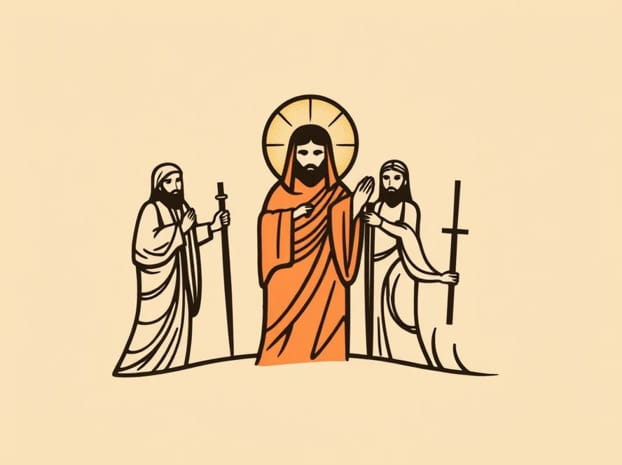
How Did Each Apostle Die
The lives and deaths of the twelve apostles of Jesus Christ have long fascinated historians, theologians, and believers alike. Each apostle played a unique role in spreading the teachings of Jesus after his resurrection, and many faced martyrdom for their faith. While historical records vary and some details remain uncertain, tradition and historical writings provide insight into how each apostle met their end. Understanding their deaths offers a glimpse into the early struggles of Christianity and the courage of those who shaped the faith in its formative years.
Peter
Peter, also known as Simon Peter, is believed to have been crucified in Rome during the reign of Emperor Nero around 64 AD. According to tradition, Peter requested to be crucified upside down, feeling unworthy to die in the same manner as Jesus. His martyrdom symbolizes unwavering faith and commitment to spreading the Gospel.
Andrew
Andrew, the brother of Peter, is said to have been martyred by crucifixion in the Greek city of Patras. Historical accounts suggest he was bound to an X-shaped cross, now commonly referred to as Saint Andrew’s Cross, where he preached to onlookers until his death. Andrew’s martyrdom reflects his dedication to missionary work even in the face of suffering.
James the Greater
James, the son of Zebedee, was among the first apostles to be martyred. Acts 122 records that he was executed by sword under King Herod Agrippa I around 44 AD. His death demonstrates the immediate threats faced by the early Christian community and the persecution endured for maintaining faith in Jesus Christ.
John
John, the brother of James the Greater, is traditionally believed to have died of natural causes in Ephesus around the end of the first century. Unlike most apostles, John was not martyred, although he endured persecution, including being exiled to the island of Patmos. He is also credited with writing the Book of Revelation during his exile.
Philip
Philip is traditionally believed to have been martyred in Hierapolis, Phrygia, though accounts vary. Some sources suggest he was crucified or hung upside down. Philip’s ministry focused on preaching and baptizing new believers, and his death exemplifies the dangers apostles faced while spreading the Gospel in distant regions.
Bartholomew
Bartholomew, also known as Nathanael, is said to have been martyred for his faith. Traditions vary, with some accounts suggesting he was flayed alive and then beheaded in Armenia. Bartholomew’s brutal death underscores the extreme risks undertaken by apostles to share the message of Christianity in hostile territories.
Matthew
Matthew, the tax collector and author of the Gospel of Matthew, is believed to have preached in regions such as Ethiopia, Persia, and Parthia. According to tradition, he met a violent death, though exact details differ; some accounts suggest he was martyred by stabbing or beheading. His martyrdom highlights his commitment to evangelizing despite personal danger.
Thomas
Thomas, also known as Didymus, is famous for doubting Jesus’ resurrection before ultimately proclaiming faith. Tradition holds that Thomas traveled to India to spread Christianity and was martyred by spear around 72 AD. His death symbolizes courage in mission work and the global spread of early Christianity.
James the Less
James, son of Alphaeus, is often called James the Less to distinguish him from James the Greater. Historical accounts suggest he was martyred in Jerusalem, possibly by being thrown from the pinnacle of the temple and then beaten to death. His death emphasizes the hostility faced by apostles within regions where religious authorities resisted the new faith.
Thaddeus (Jude)
Thaddeus, also known as Jude, is believed to have preached in Mesopotamia and Persia. Tradition holds that he was martyred, although details are unclear; some accounts claim he was clubbed to death. Thaddeus’ ministry and martyrdom reflect his dedication to spreading the teachings of Jesus far beyond Judea.
Simon the Zealot
Simon the Zealot’s activities are less documented, but tradition suggests he traveled extensively to preach. He is believed to have been martyred, possibly by crucifixion, although historical certainty is lacking. Simon’s life and death demonstrate the apostles’ willingness to face extreme risks to share the message of Christ.
Matthias
Matthias was chosen to replace Judas Iscariot after the betrayal of Jesus. Tradition holds that he preached in regions such as Cappadocia and Colchis, and he was eventually martyred, though accounts vary on the method. His death symbolizes the continuation of apostolic work and the establishment of Christian communities after the original twelve apostles were formed.
The deaths of the apostles provide a profound insight into the early Christian church and the sacrifices made to spread the Gospel. From crucifixion and martyrdom to natural death, each apostle’s end reflects unwavering faith and dedication. Their stories serve as a testament to courage, conviction, and the transformative power of belief. While historical records are not always precise, the traditions surrounding their deaths continue to inspire believers worldwide, highlighting the enduring legacy of these foundational figures in Christianity.